
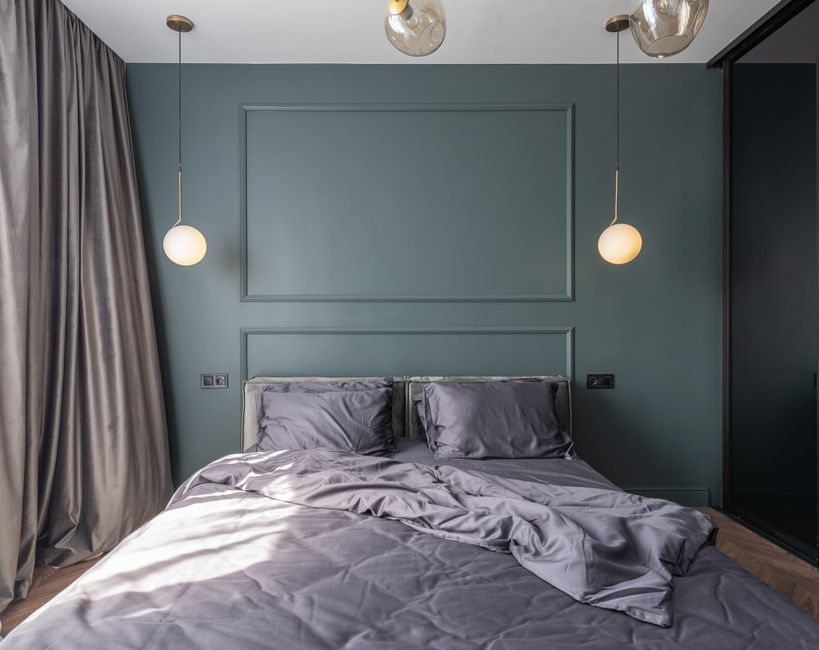
The modern bedroom has evolved from a simple place of rest into a sophisticated recovery suite. To achieve a true flow-state—a condition of high performance and deep restoration—we must view the bedroom environment for good sleep as a biological laboratory. By optimizing our surroundings to align with our circadian rhythms and physiological needs, we can transition from mere unconsciousness to restorative, high-quality sleep. This guide explores the architectural and environmental design choices that transform a standard bedroom into a sanctuary for neurological and physical recovery.
The Physics of Sleep: Thermal and Photonic Regulation
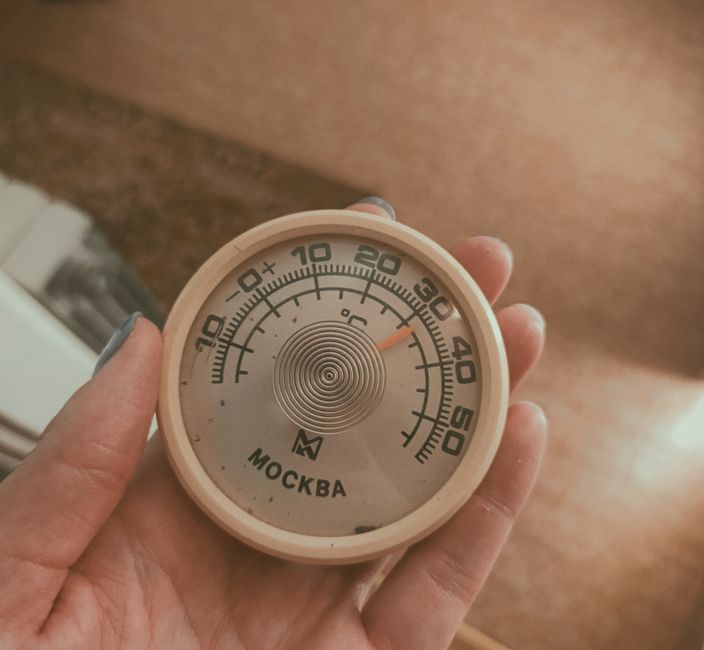
The foundation of the perfect sleeping environment is built upon the body’s need for thermal and light regulation. Research indicates that the core body temperature must drop by approximately 1-2 degrees Fahrenheit to initiate and maintain deep sleep. If your bedroom is too warm, your body struggles to shed heat, which can lead to fragmented sleep cycles and decreased time spent in slow-wave sleep.
Mastering the Goldilocks Range
The American Academy of Sleep Medicine suggests that the ideal temperature for the human body during sleep falls between 60 and 67 degrees Fahrenheit (15.6 to 19.4 degrees Celsius). To maintain this, consider the thermal mass of your bedding. Natural materials like wool, linen, or high-quality cotton help regulate temperature more effectively than synthetics. Furthermore, investing in a dual-zone climate system or a targeted cooling mattress topper can provide the granular control necessary to keep the body within that optimal thermoregulation window throughout the night.
Light Control and Circadian Alignment
Light is the most potent zeitgeber, or external cue, for the human biological clock. Exposure to blue light in the evening suppresses melatonin production, which delays circadian rhythm alignment and prevents the onset of deep sleep. To mitigate this, consider a comprehensive sleep upgrade blinds solution. Blackout curtains are essential, but true light-sealing requires side tracks to prevent light leakage at the edges. When considering how to make your bedroom better, focus on eliminating all artificial light sources, including standby LEDs on electronics, which can interfere with the brain’s ability to perceive darkness.
Acoustic Architecture and Sensory Minimalism

Our brains remain vigilant even when we are asleep, scanning the environment for potential threats. Environmental noise below 30 decibels is recommended by the World Health Organization to prevent sleep fragmentation and autonomic nervous system arousal. If you live in an urban environment, noise pollution is likely the primary culprit behind low-quality sleep.
Sound Mitigation Strategies
Soft furnishings are the first line of defense against noise. Heavy curtains, plush rugs, and acoustic wall panels can absorb sound waves and dampen echoes. If structural soundproofing is not an option, white noise machines or air purifiers can create a consistent ambient sound floor that masks sudden, disruptive noises. By keeping the bedroom environment quiet and stable, you ensure that the brain does not trigger the “fight or flight” response during the night, allowing for uninterrupted sleep cycles.
The Sleep Environment Checklist: A Strategic Audit
To optimize your bedroom, it is helpful to categorize your improvements into distinct domains. The following table serves as a structured audit for any bedroom renovation or design project.
| Category | Goal | Actionable Step |
|---|---|---|
| Thermal | 60-67 degrees F | Optimize bedding and HVAC settings |
| Photonic | Total darkness | Install blackout blinds and cover LED indicators |
| Acoustic | Below 30 decibels | Use sound-dampening textiles or white noise |
| Ergonomic | Spinal alignment | Select a mattress matching your sleep position |
| Psychological | Recovery association | Remove work-related items and clutter |
Designing for Different Life Stages
While the principles of the perfect sleeping environment remain consistent, the application varies based on the inhabitants. For instance, the sleep environment for babies requires a focus on safety and consistency. Infants are more sensitive to thermal fluctuations, making a stable, moderate temperature even more critical. Using white noise in a nursery can also help mask the household sounds that might startle a developing nervous system, ensuring the child can cycle through their sleep stages without environmental interference.
FAQ: Understanding the Science of Recovery
What is the 10 5 3 2 1 rule for sleep?
The 10-5-3-2-1 rule is a strategic framework for sleep hygiene. It dictates: 10 hours before bed, no more caffeine; 5 hours before bed, no more meals; 3 hours before bed, no more work; 2 hours before bed, no more screen time; and 1 hour before bed, no more blue light. This structured wind-down helps lower core body temperature and reduces cognitive load, preparing the brain for the transition into sleep.
What organ is most affected by lack of sleep?
While sleep deprivation impacts the entire body, the brain is arguably the most affected organ. Sleep is essential for the glymphatic system to clear metabolic waste products, such as beta-amyloid, which accumulate during waking hours. Chronic sleep loss impairs cognitive function, emotional regulation, and memory consolidation, effectively acting as a neurotoxin to the brain’s performance.
What ruins your REM sleep?
REM sleep, which is critical for emotional processing and memory, is most easily ruined by alcohol consumption, late-night high-intensity exercise, and temperature fluctuations. Alcohol, in particular, acts as a sedative that allows for initial sleep but severely fragments the architecture of the sleep cycle, specifically suppressing REM sleep in the latter half of the night.
What is the healthiest sleep state?
The healthiest sleep state is a well-balanced cycle that includes sufficient deep sleep (slow-wave sleep) and REM sleep. Deep sleep is essential for physical repair, immune function, and the release of growth hormones, while REM sleep is vital for cognitive and emotional health. A perfect sleeping environment facilitates the natural progression through these stages, ensuring you wake up feeling refreshed and mentally clear.
Conclusion
Transforming your bedroom into a flow-state environment is not about aesthetic luxury; it is about biological necessity. By strictly controlling the variables of light, temperature, and sound, you create the conditions necessary for deep neurological and physical recovery. Whether you are performing a simple sleep upgrade with new blinds or rethinking your entire bedroom layout, remember that your environment is the silent architect of your performance. Prioritize these foundational elements to ensure that your sleep is not just a period of inactivity, but a highly efficient, restorative process that powers your success during the day.