
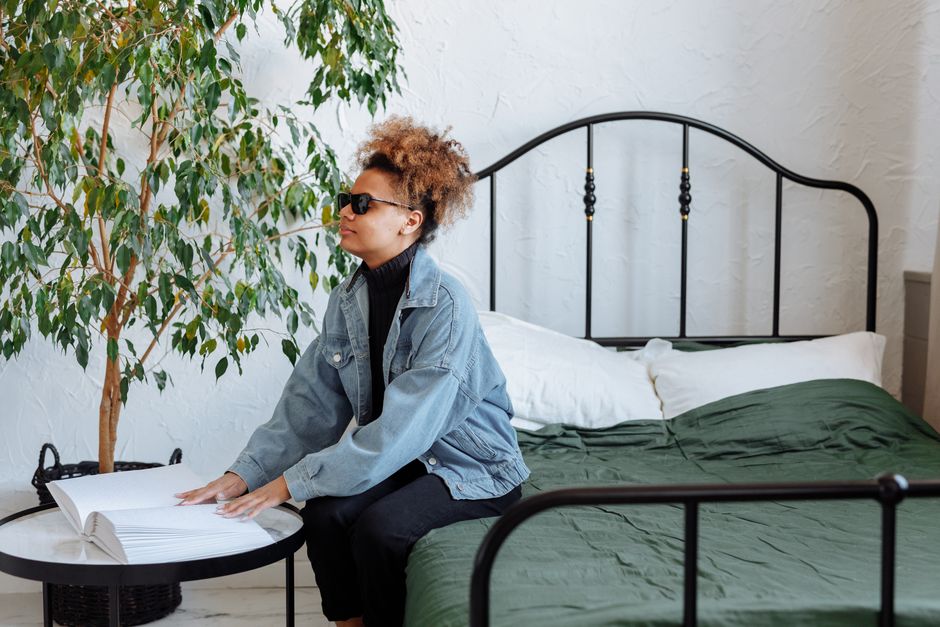
For neurodivergent children and adults, the bedroom is far more than just a place to sleep. It is a vital sensory sanctuary where the nervous system can decompress from the demands of a world that is often too loud, too bright, and too unpredictable. When we talk about neurodivergent friendly bedroom design creating calming sensory sanctuaries, we are moving beyond mere aesthetics; we are engaging in a practical approach to environmental regulation. By tailoring a space to support sensory processing needs and executive function, we can significantly reduce anxiety and improve sleep quality, turning the bedroom into a reliable, restorative haven.
The Neuroscience of Sensory Regulation

The environment we inhabit directly influences our autonomic nervous system. Research from the Journal of Autism and Developmental Disorders highlights that sensory environmental modifications are not just helpful—they are essential for individuals with autism or ADHD. When a room is filled with visual clutter, buzzing electronics, or harsh lighting, the brain remains in a state of high alert. By intentionally curating the environment, we can shift the nervous system from a sympathetic state—the fight-or-flight response—to a parasympathetic state, which is necessary for rest and digestion.
Understanding Sensory Processing
Every individual has a unique sensory profile. Some children are sensory seekers, needing deep pressure or rhythmic movement to feel grounded, while others are sensory avoiders, feeling overwhelmed by textures, sounds, or light. A neurodivergent friendly bedroom design creating calming sensory sanctuaries free from chaos allows the occupant to control their inputs. By minimizing unpredictable stimuli, you provide the brain with the safety it needs to power down for the night.
The Power of Colour and Visual Calm

Visual noise is a major contributor to cognitive fatigue, especially for those with ADHD. When a room is filled with mismatched patterns or an overwhelming array of items, the brain struggles to filter out the irrelevant data, leading to increased restlessness. This is where the concept of color drenching comes in.
Choosing the Right Palette
Color selection is one of the most effective autism sensory bedroom ideas. You want to avoid high-contrast, primary colors that stimulate the brain. Instead, opt for muted, grounded tones that encourage the nervous system to relax:
- Muted Sage Green: This shade mimics nature, providing a sense of stability and restfulness. It is excellent for rooms with plenty of natural light.
- Warm Grey-Blue: This is a powerful choice for those who struggle with high alertness at night. It is calming without feeling sterile or clinical.
- Soft Terracotta or Clay: These earthy tones provide a sense of warmth and grounding, which can be particularly comforting for children who struggle with emotional regulation.
When applying these colors, consider painting the walls, trim, and even ceiling in the same hue. This technique, known as color drenching, removes the “visual lines” in a room, making the space feel more cohesive and less demanding on the visual processing system.
Lighting: Beyond the Overhead Bulb
Overhead lighting is often the primary enemy of a sensory-friendly bedroom. The harshness of cool-white LEDs and the subtle hum of fluorescent bulbs can trigger headaches and heighten sensory overload. To create a truly calming environment, you must prioritize layered, warm lighting.
Lighting Strategies
Start by eliminating the reliance on a single, central light source. Instead, use floor-level LED strips or salt lamps to create a soft, warm glow that mimics sunset. For children who enjoy visual stimulation, consider rotating projectors that cast gentle patterns of stars or slow-moving water onto the ceiling. These provide a soothing focal point that helps the mind transition from the activity of the day to the quiet of sleep. Always ensure that any light source is dimmable, allowing the occupant to control the intensity of the light based on their current sensory needs.
Zoning for Executive Function
One of the most effective autism-friendly bedroom ideas involves zoning. For a neurodivergent brain, the transition between tasks—such as moving from play to sleep—can be incredibly difficult. By physically separating these activities, you provide the brain with environmental cues that signal what is expected.
The SPEL Framework
If your room allows, divide the space into specific zones. This helps in maintaining a predictable routine, which is crucial for reducing anxiety. A simple way to structure this is through the SPEL method:
- S – Sleep: This area should be strictly for resting. Keep this zone free of toys, electronics, and clutter.
- P – Play: If the room must double as a play space, keep toys in closed, opaque bins. This hides the “visual noise” when it is time to wind down.
- E – Escape: Create a calming corner. This is a dedicated spot with a weighted blanket, a sensory swing, or a small pop-up tent where the individual can retreat when they feel overwhelmed.
- L – Learning/Quiet Time: A small desk or comfortable chair for reading or drawing, kept separate from the bed to maintain the psychological association between the bed and sleep.
Tactile Comfort and Deep Pressure
Tactile input is a major factor in sensory regulation. Many children and adults find comfort in deep pressure, which mimics the feeling of being held or swaddled. A 2020 study in the Journal of Clinical Sleep Medicine found that weighted blankets can reduce insomnia severity by up to 67% by activating the parasympathetic nervous system.
Textural Considerations
When selecting bedding, avoid complex patterns or synthetic materials that may feel scratchy or heat-trapping. Stick to solid colors and natural, breathable fabrics like cotton or bamboo. For children who need more sensory input, consider compression sheets that provide a gentle “hug” throughout the night. If the bedroom has hard flooring, add a soft, high-pile rug. This not only dampens sound but also provides a pleasant tactile experience for bare feet, which can be very grounding.
Frequently Asked Questions
How can I make my bedroom a relaxing sanctuary?
To create a relaxing sanctuary, focus on removing sensory triggers. This means minimizing visual clutter by using closed storage, installing dimmable, warm-toned lighting, and choosing a muted, monochromatic color palette. Ensure the room is quiet and the temperature is cool, as these factors significantly impact the body’s ability to initiate sleep.
How to make a sensory bedroom for autism?
Creating a sensory bedroom involves tailoring the space to the specific needs of the individual. Start by zoning the room to separate sleep from play. Use calming, soft textures like weighted blankets and consider incorporating “calming corners” with sensory tools like fidgets or soft lighting. Most importantly, remove fluorescent lights and high-stimulation electronics that cause sensory overload.
What are the 7 golden rules for bedroom design?
The 7 golden rules are: 1) Prioritize sleep above all other functions; 2) Eliminate visual noise with closed, organized storage; 3) Use warm, layered lighting instead of overhead bulbs; 4) Select calming, muted colors; 5) Incorporate deep-pressure tools like weighted blankets; 6) Maintain a consistent, predictable layout; and 7) Use sound-dampening materials like rugs and curtains to minimize noise.
What is the most calming color for autism?
While personal preference matters, muted sage green, soft blue, and warm grey-blue are widely considered the most calming colors. These shades are associated with nature and have a low-stimulation profile, making them ideal for reducing anxiety and preparing the brain for rest. Avoid bright reds, oranges, or neon colors, as these are often overstimulating.
Conclusion
Designing a neurodivergent-friendly bedroom is not about following the latest interior design trends; it is about creating an environment that respects the unique way an individual experiences the world. By focusing on sensory environmental modifications, you are providing a foundation for better sleep, reduced anxiety, and improved emotional regulation. Whether you are implementing autism sensory bedroom ideas DIY-style or building a more elaborate sensory sanctuary, the goal remains the same: to create a space where the nervous system can finally feel safe, predictable, and calm. When the bedroom becomes a true sanctuary, the entire day becomes easier to navigate.