

For centuries, the field of architecture was primarily defined by aesthetics, structural integrity, and functional utility. However, a quiet revolution is shifting the focus toward the biological impact of our surroundings. This emerging discipline, known as neuroarchitecture, explores the profound connection between the built environment and cognitive function. By leveraging data from neuroscience, designers are moving beyond intuition to quantify exactly how spatial geometry, lighting, and materiality influence our moods, stress levels, and mental clarity. As we spend approximately 90 percent of our time indoors, understanding how the buildings you occupy might be affecting your brain has become a critical endeavor for modern architects and interior designers alike.
The Scientific Foundation of Neuroarchitecture

The core premise of this field rests on the idea that our brains are not passive observers of space but active participants in it. When we enter a room, our nervous system is constantly processing sensory inputs—light, sound, texture, and volume—that trigger immediate physiological responses. The Academy of Neuroscience for Architecture (ANFA) has been instrumental in bridging the gap between scientific inquiry and design practice. By utilizing high-tech diagnostic tools such as EEG (electroencephalography), fMRI (functional magnetic resonance imaging), and eye-tracking, researchers can now observe real-time brain activity in response to specific spatial configurations.
This empirical approach allows architects to move past subjective opinions on beauty and toward evidence-based design. Through designing for human wellbeing: the integration of neuroarchitecture in design a systematic review, scholars have identified that environments are not merely neutral containers; they are active agents that can either mitigate or induce chronic stress. When we discuss how does architecture affect human behavior, we are looking at a complex interplay of cortisol regulation, neurotransmitter release, and cognitive fatigue, all of which are mediated by the physical structures we inhabit.
Spatial Geometry and Cognitive Performance
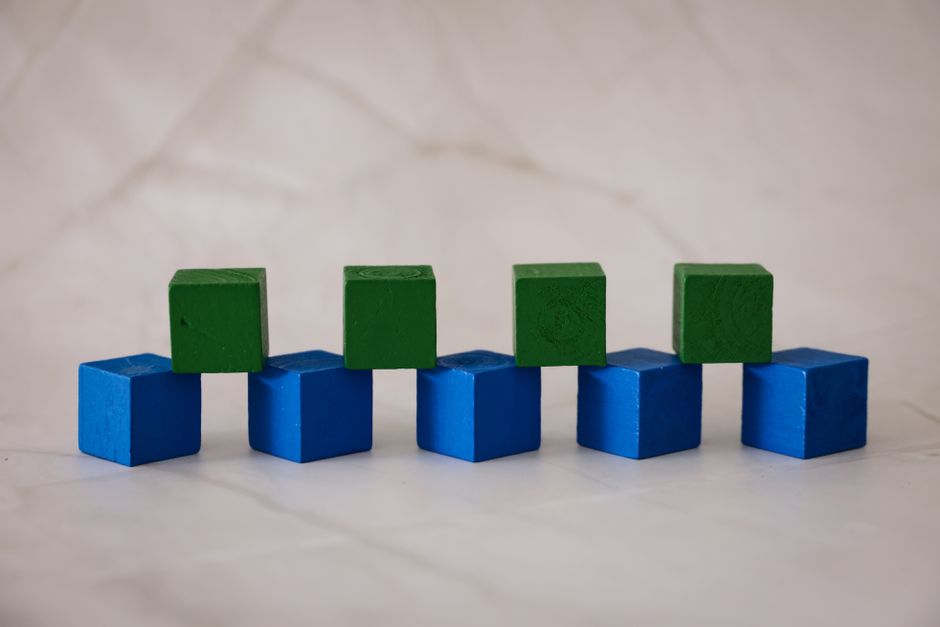
One of the most fascinating aspects of neuro-architecture is the manipulation of volume to influence thought patterns. Research has consistently shown that the dimensions of a room dictate the type of mental work performed within it. High ceilings, for instance, are associated with a sense of freedom and openness, which facilitates abstract thinking and creative problem-solving. Conversely, lower ceilings tend to foster a sense of enclosure that is better suited for focused, detail-oriented tasks requiring high levels of concentration.
This phenomenon is explored in depth in The embodiment of architectural experience: a methodological perspective on neuro-architecture, which argues that our physical movement through a space is inextricably linked to our neural processing. By strategically varying ceiling heights and room volumes, architects can curate specific mental states. A home office might benefit from a lower, more focused ceiling, while a communal living area or studio space might gain from soaring, expansive dimensions to encourage brainstorming and innovation.
Biophilic Design and the Restoration of Focus
The human brain evolved in nature, not in sterile, box-like environments. The ‘Restorative Environment Theory,’ proposed by Kaplan & Kaplan, suggests that our modern, high-stimulation environments often lead to ‘directed attention fatigue’—a state of mental exhaustion caused by constant, effortful focus. To combat this, neuroarchitecture advocates for the integration of biophilic design elements. Exposure to natural light, the presence of indoor plants, the use of organic textures like wood and stone, and the inclusion of water features have been proven to lower cortisol levels significantly.
These elements provide ‘soft fascination,’ a form of engagement that captures our attention effortlessly, allowing our cognitive resources to replenish. In the context of neuro-informed design, this is not just an aesthetic choice; it is a physiological necessity. A space that incorporates these natural signals signals safety and comfort to the amygdala, the part of the brain responsible for our stress response, thereby fostering a state of mental clarity and emotional stability.
The Dark Side of Poorly Designed Spaces
Conversely, the impact of poorly designed environments can be detrimental to long-term health. Urban health reports from the World Health Organization have highlighted that overcrowding, excessive noise pollution, and a lack of visual stimulation can lead to chronic stress, anxiety, and even cognitive decline. When a space feels claustrophobic, chaotic, or sensory-deprived, the brain enters a state of heightened alertness, keeping the body in a prolonged ‘fight or flight’ response. Understanding these dynamics is essential for architects who aim to create spaces that support, rather than hinder, human health.
Frequently Asked Questions
What is neuro architecture?
Neuroarchitecture is an interdisciplinary field that combines neuroscience and architecture to understand how the built environment influences the human brain and behavior. It uses scientific methods to measure how physical elements—such as lighting, acoustics, and spatial volume—affect stress, mood, and cognitive performance, with the goal of creating healthier, more functional living and working environments.
Why is architecture getting uglier?
The perception that architecture is becoming “uglier” often stems from a shift toward utilitarianism, cost-cutting, and mass-production. Many modern buildings prioritize speed of construction and square footage over human-centric design. However, [the rise of](https://t10family.com/en/the-rise-of-gender-neutral-grooming-a-new-era-of-beauty/) neuroarchitecture is a direct response to this trend, as it provides a framework to prove that aesthetic and sensory-rich design is not just a luxury, but a necessity for human mental wellbeing.
What does the 80/20 rule mean in architecture?
In architecture and interior design, the 80/20 rule (a variation of the Pareto Principle) often refers to the idea that 80% of a room’s impact is created by 20% of its elements. It suggests that by focusing on the most critical components—such as lighting, flow, and the most frequently used surfaces—designers can achieve 80% of the desired result in user comfort and efficiency, allowing for a more streamlined and purposeful approach to spatial planning.
Is architecture ADHD friendly?
Yes, architecture can be designed to be more ADHD-friendly by minimizing sensory overload and supporting cognitive focus. This involves using ‘neuro-inclusive’ strategies such as reducing background noise, utilizing calming color palettes, providing designated ‘quiet zones’ with lower visual stimulation, and maximizing natural light. By creating predictable and organized environments, architects can help individuals with ADHD better regulate their attention and reduce the mental fatigue associated with chaotic spaces.
Conclusion
The integration of neuroarchitecture into our design practices represents a fundamental shift in how we view the relationship between the built world and the human mind. As we continue to refine our understanding of how our brains respond to the geometry, light, and materiality of our surroundings, we move closer to a future where architecture is measured not just by its structural strength or visual appeal, but by its capacity to enhance human potential. By prioritizing mental clarity, stress reduction, and cognitive restoration, we can transform our living and working environments into partners in our overall wellbeing. The future of design lies in recognizing that every wall, window, and ceiling is a neuro-biological intervention, and we have the power to design those interventions with intention and empathy.