
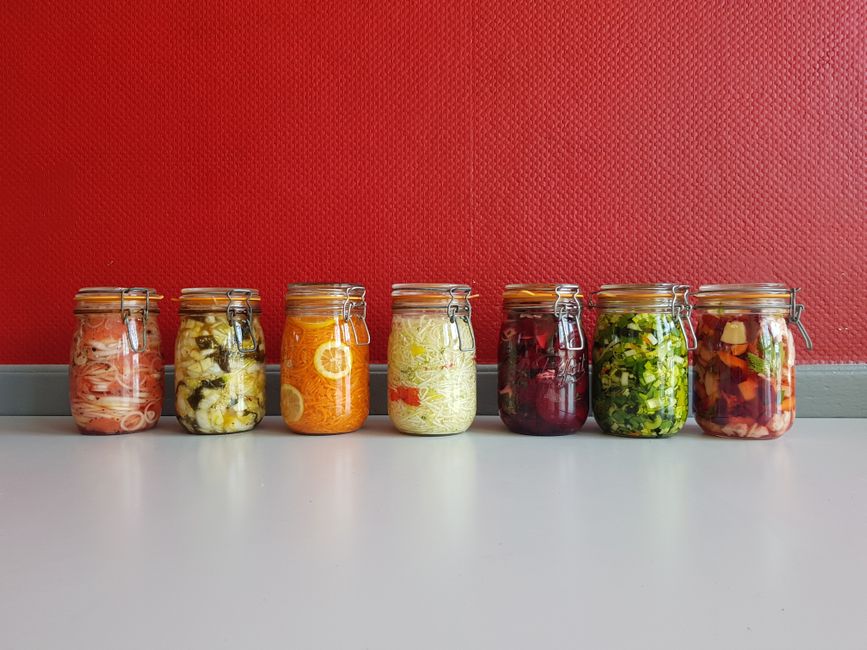
Incorporating fermented foods into your daily routine is one of the most effective ways to support digestive wellness and introduce beneficial bacteria into your microbiome. While the world of fermentation can often feel intimidating, filled with complex long-term aging processes and expensive equipment, the reality is much simpler. Many of the best probiotic staples can be prepared in under an hour of active time, requiring only basic kitchen tools and a bit of patience as the natural cultures do the heavy lifting. By building a “slow-ferment” pantry, you transform simple ingredients like cabbage, milk, and ginger into nutrient-dense powerhouses that elevate your cooking and boost your health.
The Foundations of a Probiotic Pantry
Fermentation is an ancient culinary technique that preserves nutrients and creates unique flavor profiles through the action of beneficial microorganisms. When you make these foods at home, you regain control over the ingredients, avoiding the additives and high sodium levels often found in store-bought versions. The following five staples are designed for the busy home cook, requiring minimal hands-on effort to initiate the process.
1. Lacto-Fermented Vegetables
Often referred to as “quick kraut,” lacto-fermented vegetables are the gateway to the world of fermented foods. By massaging salt into shredded vegetables like cabbage, carrots, or radishes, you draw out the natural juices to create a brine. This brine creates an anaerobic environment where lactic acid bacteria thrive. Simply pack the mixture into a clean glass jar, ensure the vegetables are submerged, and let them sit at room temperature for a few days. The prep time is less than 30 minutes, and the result is a crunchy, tangy condiment that pairs perfectly with salads, sandwiches, or grain bowls.
2. Homemade Yogurt
While many assume that yogurt requires specialized equipment, it can easily be made in your own kitchen using a simple pot and a warm spot in your home. By heating milk to the appropriate temperature and introducing a small amount of high-quality active culture—either from a previous batch or a plain store-bought starter—you allow the bacteria to consume the lactose in the milk. This process produces a creamy, protein-rich staple that serves as a base for breakfast parfaits, dressings, and dips.
3. Ginger Bug Soda
A ginger bug is a fascinating, beginner-friendly starter culture made from ginger, sugar, and water. It captures wild yeasts and bacteria from the surface of the ginger root. Once established, you can use this “bug” to naturally carbonate fruit juices or herbal teas. The process takes only minutes to mix. After combining the ginger bug with your chosen tea or juice, you bottle it and let it ferment for two to four days. The result is a naturally effervescent, probiotic-rich soda that is significantly lower in sugar than its commercial counterparts.
4. Water Kefir
Water kefir is a light, refreshing alternative to dairy-based ferments. Using water kefir grains—translucent, jelly-like colonies of bacteria and yeast—you can transform sugar water into a fizzy, probiotic drink in just 24 to 48 hours. The active prep time is negligible: simply dissolve sugar in water, add the grains, and let them sit. You can infuse the finished drink with fruits, herbs, or ginger for a personalized flavor profile that rivals any craft beverage.
5. Fermented Honey Garlic
This is perhaps the most effortless ferment in the pantry. By submerging raw, peeled garlic cloves in high-quality raw honey, you create a medicinal powerhouse. Over the course of a few weeks, the honey draws the moisture out of the garlic through osmosis, creating a thin, syrupy mixture teeming with beneficial enzymes and antimicrobial properties. It is a perfect glaze for roasted vegetables or a soothing addition to tea when you feel a cold coming on. The initial assembly takes less than 15 minutes.
Essential Tips for Success

To ensure your fermented foods are safe and delicious, consistency is key. Always use clean, sterilized glass jars. Because fermentation is a biological process, the ambient temperature of your kitchen will dictate the speed of your results. Warmer environments will accelerate the process, while cooler temperatures will slow it down. It is also important to use non-iodized salt, as iodine can sometimes inhibit the growth of the beneficial bacteria you are trying to cultivate.
| Staple | Primary Ingredient | Active Prep Time | Fermentation Window |
|---|---|---|---|
| Lacto-Veggies | Cabbage/Root Veg | 20 Minutes | 3-7 Days |
| Yogurt | Milk/Starter | 15 Minutes | 8-12 Hours |
| Ginger Bug Soda | Ginger/Sugar | 10 Minutes | 2-4 Days |
| Water Kefir | Water/Sugar/Grains | 5 Minutes | 24-48 Hours |
| Honey Garlic | Garlic/Raw Honey | 10 Minutes | 2-4 Weeks |
Frequently Asked Questions
What is the easiest fermented food to make at home?
Lacto-fermented vegetables, such as sauerkraut or carrot sticks, are generally considered the easiest. They require only two ingredients—vegetables and salt—and do not require the maintenance of a live starter culture like kefir or yogurt.
What happens to your gut when you eat one fermented food a day?
Regular consumption of fermented foods helps diversify your gut microbiome. By introducing a variety of live, active cultures, you support the population of “good” bacteria, which can lead to improved digestion, enhanced nutrient absorption, and a stronger immune system response.
What are some homemade probiotic foods I can make?
Beyond the basics like yogurt and sauerkraut, you can explore kimchi, fermented salsas, beet kvass, kombucha, and various fruit-based water kefirs. Each provides a different profile of beneficial bacteria, making it beneficial to rotate the types of ferments you keep in your pantry.
How to avoid botulism while fermenting?
Botulism is extremely rare in home fermentation because it thrives in low-acid, anaerobic environments. To ensure safety, always use the correct amount of salt to create a brine (which lowers pH levels) or use an acidic starter culture. If a ferment smells putrid, shows signs of fuzzy mold, or looks discolored, discard it. When in doubt, throw it out; however, with proper salt ratios and cleanliness, fermentation is a very safe traditional practice.
Conclusion
Building a probiotic-rich pantry does not require a degree in food science or hours of labor. By mastering these five simple staples, you can integrate high-quality, gut-friendly foods into your daily meals with minimal effort. Whether you are sipping on a homemade ginger soda or adding a scoop of tangy kraut to your lunch, you are actively participating in a time-honored tradition of culinary preservation. Start with one recipe, observe how the fermentation process changes the flavor and texture of your ingredients, and enjoy the profound benefits of a healthier, more vibrant digestive system.