
In the landscape of early childhood development, toys are far more than mere diversions. They serve as the primary architecture through which a child interacts with the physical world, testing hypotheses, refining motor skills, and building the neurological pathways that define their future potential. Among the most critical areas of development is executive function. This set of cognitive processes—which includes working memory, inhibitory control, and cognitive flexibility—enables children to regulate their behavior, focus their attention, and work toward goals. By intentionally selecting toys that enhance executive function in toddlers, parents and caregivers can turn everyday playtime into a powerful engine for long-term academic and social success.
Understanding Executive Function in Early Childhood
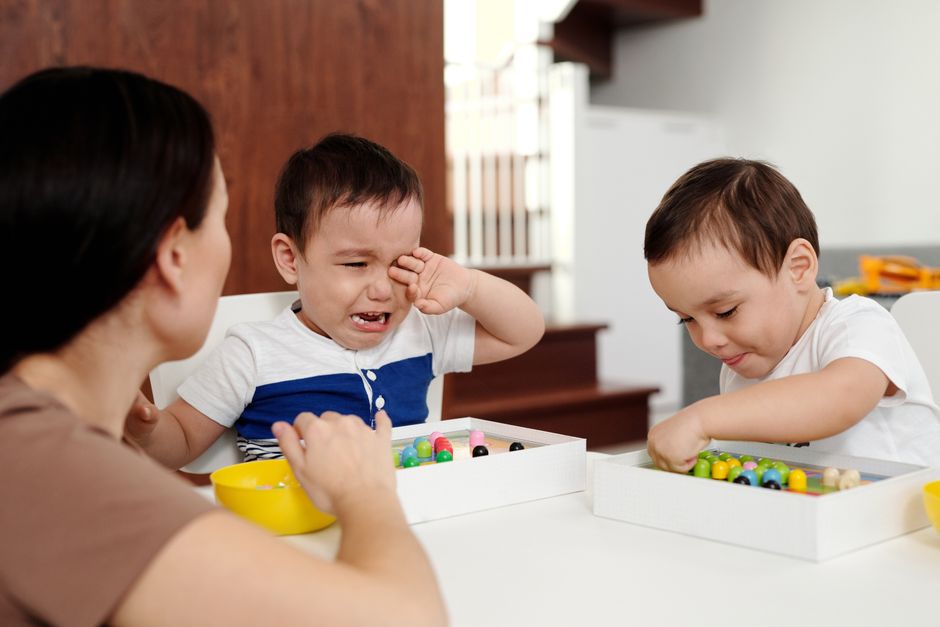
Executive function acts as the “air traffic control system” of the brain. It is the suite of mental processes that allows us to plan, focus attention, remember instructions, and juggle multiple tasks successfully. For a toddler, these skills are in their infancy, yet they are foundational. The three core domains of executive function are:
- Working Memory: The ability to hold information in the mind and manipulate it. This is what allows a toddler to remember the steps of a simple game or the rules of a pretend-play scenario.
- Inhibitory Control: The capacity to resist impulses and stop yourself from doing something tempting to focus on a more important task. This is the skill that helps a child wait their turn or follow a “stop and go” rule.
- Cognitive Flexibility: The ability to switch gears when the rules change or a problem arises. If a block tower falls over, cognitive flexibility allows a child to pivot from frustration to building a new, more stable structure.
Research indicates that these skills are not fixed at birth but are instead cultivated through experience. Intentional, play-based interactions provide the ideal laboratory for these brain-building exercises.
Selecting Toys for Executive Function
When searching for the best cognitive play and selecting toys that enhance executive function in toddlers, the goal is not to find “educational” toys that promise to teach facts, but rather to find tools that demand active mental engagement. The best toys are often those that are simple in design but complex in the possibilities they offer.
The Power of Construction and Block Play
Block play is perhaps the gold standard for developing executive function. When a child builds with blocks, they are engaging in spatial reasoning and goal-directed behavior. They must hold a mental image of the structure they wish to create (working memory), adjust their hand movements to ensure balance (inhibition), and problem-solve when a piece does not fit (cognitive flexibility). Studies suggest that block play is directly linked to improved language acquisition and sustained attention, as it requires the child to direct their own activity toward a completed goal.
Puzzles and Pattern Recognition
Puzzles require a child to hold a visual target in their mind while scanning pieces to find the correct match. This constant shifting between the whole and the parts exercises cognitive flexibility. For toddlers, starting with simple wooden inset puzzles helps them grasp object permanence and spatial relationships, which are the building blocks of more complex executive function tasks.
Pretend Play and Role-Playing Toys
Pretend play is a sophisticated cognitive exercise. When a toddler uses a toy truck to represent a real vehicle on a “road” made of chairs, they are practicing symbolic thinking. This requires the child to ignore the literal reality of the object (a chair is for sitting) and replace it with a new rule (a chair is a road). This ability to inhibit the primary function of an object to serve a higher-order goal is a peak demonstration of executive function in action.
Age-Appropriate Development of Executive Skills
Executive function matures at different rates. While the foundational work begins in infancy, the complexity of the toys and games should evolve as the child grows. The following table outlines how to approach these skills across different age groups.
| Age Range | Primary EF Focus | Recommended Play Strategy |
|---|---|---|
| Toddlers (1-3 years) | Working memory and basic inhibition | Simple sorting, stacking, and peek-a-boo style games. |
| Preschoolers (3-5 years) | Inhibitory control and rule-following | Structured games with rules, pretend play, and complex puzzles. |
| School Age (7-12 years) | Complex planning and flexibility | Strategy board games, long-term craft projects, and logic puzzles. |
Activities and Resources for Continued Growth
While toys are essential, the way an adult facilitates play is equally important. Adult-directed, intentional play helps bridge the gap between simple object manipulation and higher-level cognitive output. For parents looking to expand their toolkit, there are many resources available for enhancing and practicing executive function skills with children from infancy to adolescence. Educators often use specific, evidence-based frameworks to help students navigate these domains.
Executive Function Activities for 3 to 5-Year-Olds
At this age, focus on games that force the child to stop and think before acting. “Red Light, Green Light” is a classic example of inhibitory control. Another effective activity is “sorting games,” where children must categorize items by shape, then by color, and then by size. This forces them to practice cognitive flexibility by switching the “rule” they are following.
Free Executive Function Activities for 7- to 12-Year-Olds
As children enter middle childhood, they benefit from more abstract challenges. Strategy-based card games or board games that require planning several moves ahead are excellent. Many organizations offer guides for executive function activities for 7- to 12-year-olds PDF formats, which can be easily printed for home or classroom use. These activities often involve complex planning, such as organizing a mock expedition or designing a blueprint for a treehouse, which requires sustained attention and working memory.
Frequently Asked Questions
How do I know if a toy is actually helping my child’s executive function?
Look for toys that the child has to “work” to use. If a toy does all the talking, flashing, and moving for the child, it is likely doing the thinking for them as well. The best toys for EF are those that are “low tech” and “high touch”—toys that require the child to provide the imagination, the movement, and the rules of the game.
Can I download guides for executive function skills by age?
Yes, many reputable child development centers and universities provide resources for executive function skills by age PDF free download. These documents often include age-appropriate milestones and lists of activities that parents can implement at home without needing expensive equipment.
Is it possible to over-stimulate a child with too many toys?
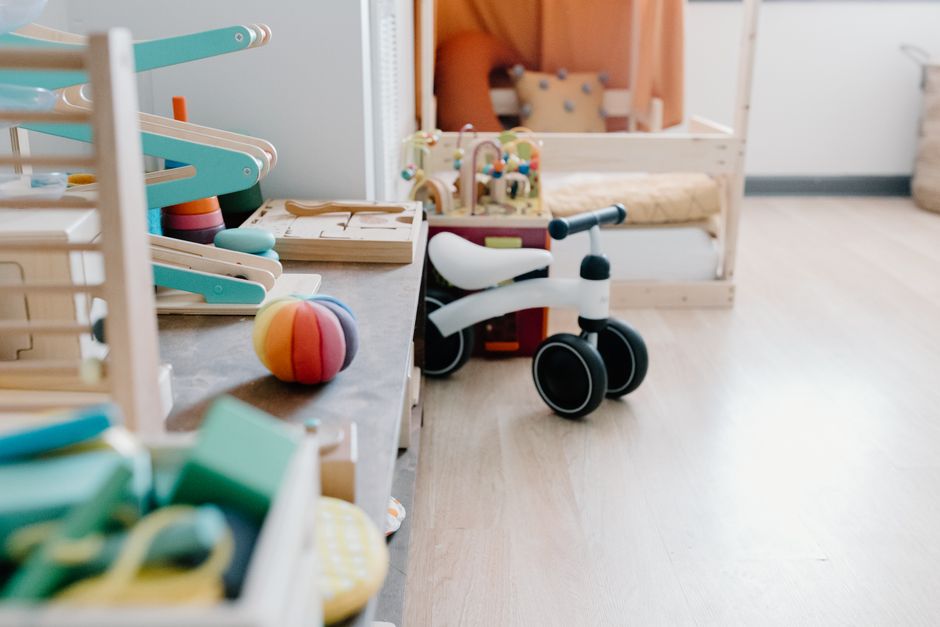
Yes. A cluttered play environment can actually hinder the development of executive function because it makes it harder for the child to focus on a single, goal-directed task. It is often more effective to rotate toys, keeping only a few accessible at a time, which encourages deeper engagement and more creative problem-solving.
Conclusion
Enhancing executive function is a marathon, not a sprint. By prioritizing play-based experiences that challenge a child’s working memory, inhibitory control, and cognitive flexibility, we provide them with the mental tools they need to succeed in a complex world. Whether through the simple act of stacking blocks or the intricate planning involved in a strategy game, every moment of intentional play is a building block for a stronger, more capable brain. As you curate your child’s toy collection, remember that the goal is not to provide the most advanced technology, but to provide the most engaging opportunities for your child to think, plan, and create.