
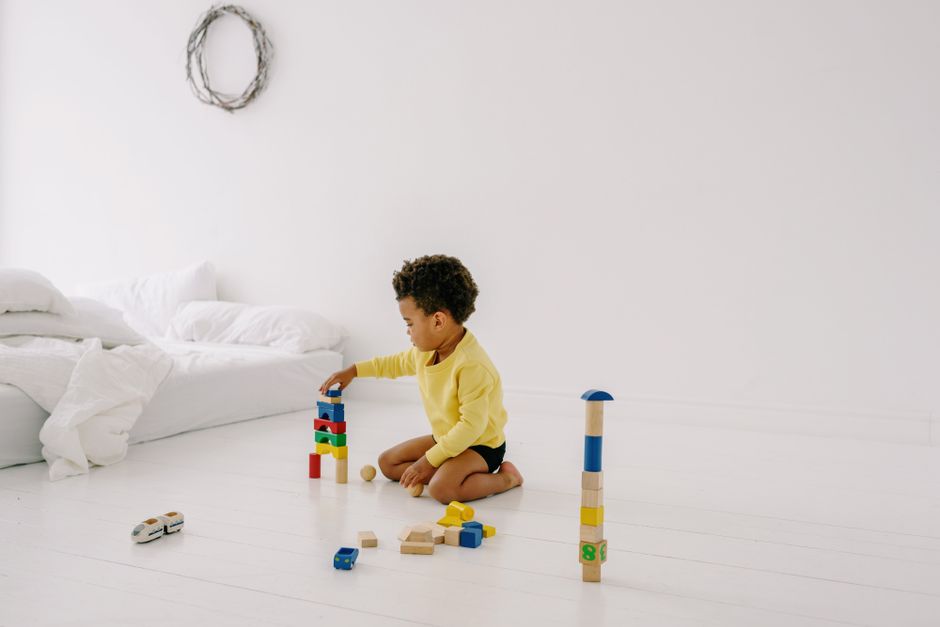
In an era where digital devices are increasingly ubiquitous, many parents are seeking ways to cultivate their children’s minds through tangible, tactile experiences. While tablets and interactive apps promise educational value, there is an irreplaceable cognitive benefit to the classic, analog playroom. Spatial reasoning—the ability to visualize, manipulate, and understand objects in three-dimensional space—is a foundational skill for future success in science, technology, engineering, and mathematics. By curating a screen-free environment, you provide your toddler with the necessary physical feedback to build these cognitive muscles. This guide explores the best toys to foster spatial awareness and why moving away from the screen is the most effective way to help your child thrive.
The Science of Spatial Play
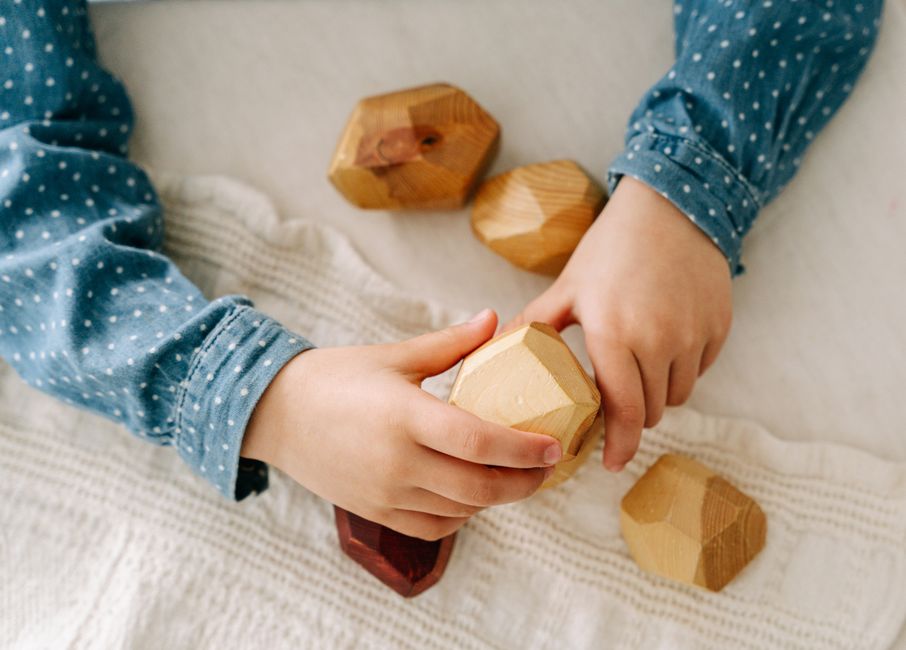
Spatial reasoning is not just about building towers; it is a complex cognitive process that involves understanding how objects fit together, how they move in space, and how they relate to one another. When kids engage in construction play, they are doing more than just moving pieces around. They are practicing planning, symmetry, and testing the structural integrity of their designs. Research consistently shows that analog toys provide sensory-motor integration that digital platforms simply cannot replicate. When a child drops a wooden block, they hear the sound, feel the vibration, and observe the physical consequence of gravity—a feedback loop that is essential for early development.
Why Tactile Feedback Matters
Digital interfaces are flat and often abstract. When a toddler interacts with a screen, the physical relationship between their hand movements and the visual outcome is simulated. In contrast, physical toys require the brain to calculate real-world physics. If a toddler wants to build a bridge, they must understand balance, weight distribution, and the limitations of their materials. This tactile engagement builds neural pathways that support long-term cognitive development, making screen-free play an essential component of a balanced childhood.
Top Analog Toys for Spatial Development
Choosing the right toys for your home can feel overwhelming, but the most effective tools are often the simplest. Here are the categories of toys that provide the best developmental return on investment for your toddler.
Classic Construction Sets
Wooden blocks remain the gold standard for spatial reasoning. They allow for open-ended play, meaning there is no single right way to use them. Whether it is stacking, sorting by size, or creating complex patterns, blocks teach children about proportions and geometry. Magnetic tiles are another excellent option, as they introduce the concept of polarity and allow for the creation of 3D structures that defy gravity in ways traditional blocks cannot.
Puzzles and Shape Sorters
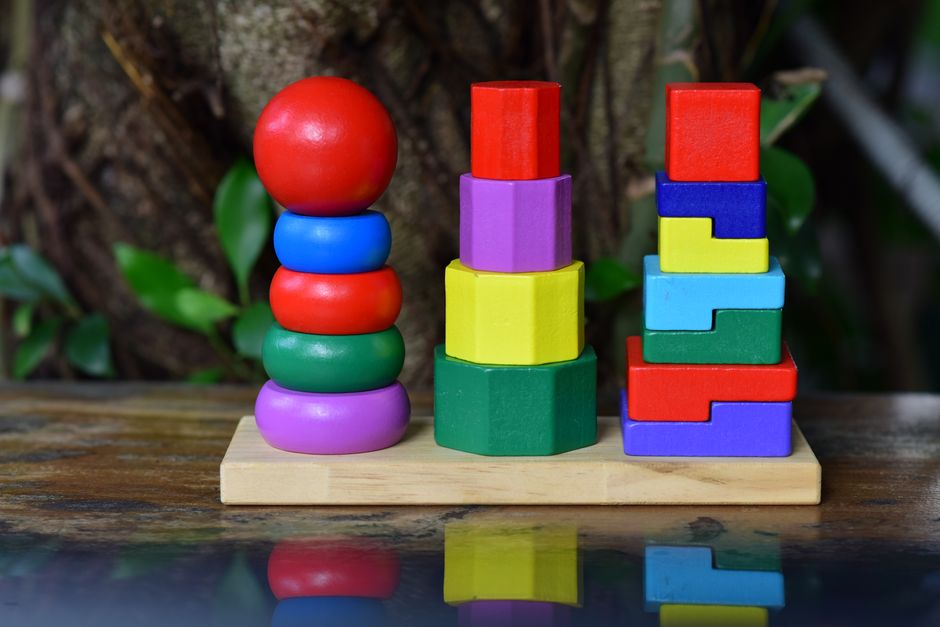
Puzzles are perhaps the most direct exercise for spatial awareness. They force the child to rotate objects in their mind and match them to a corresponding void. Start with simple wooden inlay puzzles and progress to interlocking pieces as your toddler grows. Shape sorters serve a similar function, teaching toddlers to identify geometry and understand how different shapes must be oriented to fit into a specific space.
Kinetic Sand and Modeling Clay
While often associated with sensory play, molding materials are excellent for spatial reasoning. When a child shapes a ball of clay into a flat pancake or a long snake, they are exploring volume and conservation—the idea that the amount of matter remains the same even when its shape changes. This is a critical milestone in cognitive development that helps children understand how objects occupy space.
Comparison of Developmental Benefits
| Toy Category | Primary Spatial Skill | Developmental Focus |
|---|---|---|
| Wooden Blocks | Structural Integrity | Planning and Balance |
| Magnetic Tiles | 3D Visualization | Geometry and Symmetry |
| Puzzles | Pattern Recognition | Orientation and Fit |
| Shape Sorters | Object Permanence | Classification and Logic |
Creating a Screen-Free Play Environment
Transforming your home into a space that encourages spatial exploration does not require a total overhaul. Start by rotating your toys. If a child is presented with too many options, they often struggle to focus. By keeping only a few high-quality, analog toys available at any given time, you encourage deeper, more sustained engagement. Create a dedicated floor space where structures can remain standing for a few hours or even days, allowing your toddler to return to their project and build upon their previous work.
The Role of Parental Interaction
While independent play is vital, your involvement can significantly boost the benefits of these toys. Ask open-ended questions like, “What do you think will happen if we put the largest block on top?” or “Can you find a piece that fits into this corner?” By introducing spatial vocabulary—such as under, over, beside, behind, and through—you give your child the linguistic tools to describe the spatial relationships they are experiencing.
Frequently Asked Questions
What are some good toys for spatial reasoning?
The best toys for spatial reasoning are those that require physical manipulation and construction. Wooden blocks, magnetic building tiles, interlocking puzzles, and shape sorters are excellent choices. These items force the child to consider how objects interact with one another in 3D space, which is the core of spatial intelligence.
How can I help my toddler develop spatial awareness?
You can help your toddler by providing ample time for unstructured, screen-free play. Encourage them to build, stack, and sort. Using spatial language during daily activities—such as describing where items are located or how to fit objects into a box—also reinforces these concepts. Most importantly, allow them to experiment with failure; if a tower falls, they are learning valuable lessons about gravity and balance.
What are the best toys for toddler cognitive development?
The best toys for cognitive development are open-ended toys that allow for creativity and problem-solving. This includes building sets, art materials like clay or blocks, and puzzles. These toys do not have a programmed outcome, which forces the child to think critically and plan their actions, thereby enhancing their overall cognitive flexibility.
What are some good sandbox toys for toddlers?
If you have access to a sandbox, it is a fantastic venue for spatial play. Provide your toddler with various containers of different shapes and sizes to learn about volume. Add shovels, rakes, and molds to help them understand how to manipulate materials. Building mounds or digging tunnels introduces them to the basics of engineering and structural design in a natural, tactile way.
Conclusion
Investing in high-quality, analog toys is one of the most effective ways to support your child’s cognitive growth. By prioritizing screen-free play, you provide your toddler with the tactile feedback and real-world challenges necessary to develop robust spatial reasoning skills. From the simple act of stacking wooden blocks to the complex task of completing a puzzle, these activities build the foundation for future academic and life success. Remember that the goal is not to fill the room with expensive gadgets, but to provide tools that encourage curiosity, patience, and the joy of physical discovery. By fostering this environment, you are giving your child the best possible start in navigating the three-dimensional world.