
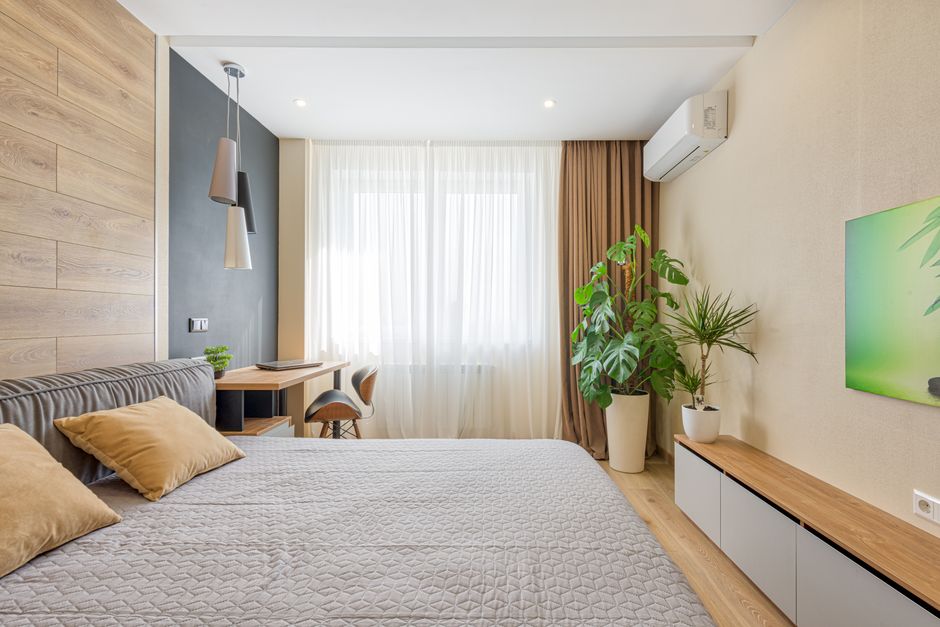
The Science of the Biophilic Bedroom: Designing for Restorative Sleep
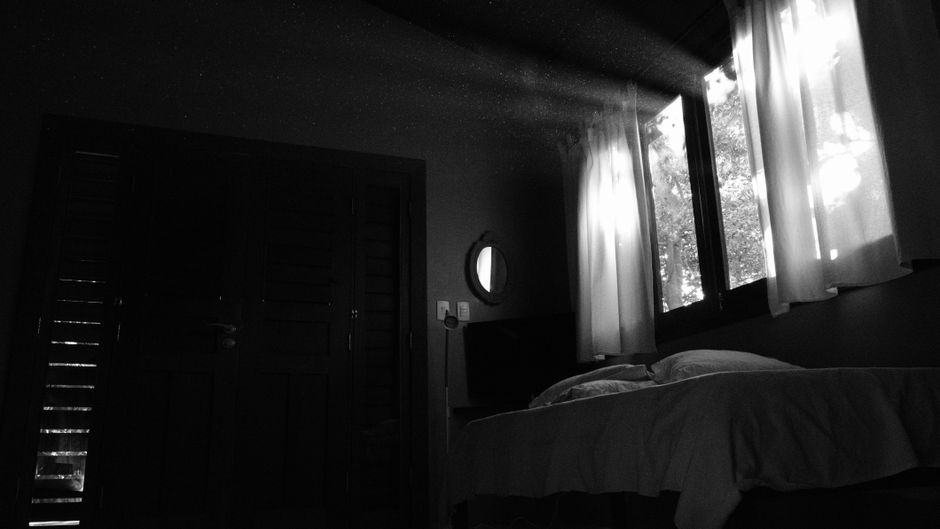
In contemporary architecture, the bedroom has evolved from a simple utilitarian space into a sophisticated sanctuary for physiological recovery. By applying the science of biophilic design, we can create environments that actively harmonize with the human nervous system. This approach moves beyond aesthetics to facilitate deeper sleep, improved cognitive recovery, and a seamless transition into a restorative flow state.
Core Principles of Biophilic Design
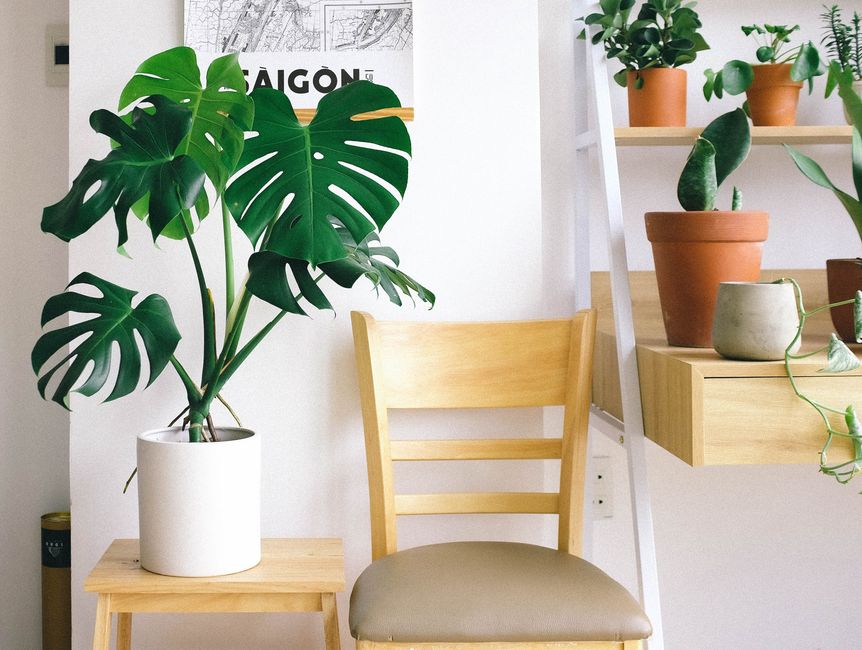
Biophilic design is the practice of integrating nature into the built environment to satisfy our innate human connection to the natural world. Far from merely adding houseplants, this discipline uses sensory stimuli to lower cortisol levels and foster psychological comfort. The 14 Patterns of Biophilic Design serve as a foundational framework for this transformation, helping to eliminate environmental stressors that keep the brain in a state of hyper-arousal.
Key Patterns for the Bedroom
- Visual Connection with Nature: Incorporating views or representations of the natural world.
- Refuge: Creating a protected, enclosed space that provides a sense of withdrawal.
- Dynamic Light: Utilizing lighting that mimics the shifting intensity and color temperature of the sun.
- Complexity and Order: Using organic shapes and textures that are visually interesting but not overstimulating.
Circadian-Effective Lighting: The Biological Anchor
The most critical factor in a biophilic sleep environment is the management of light. Because our bodies rely on light to regulate the 24-hour circadian rhythm, lighting must be treated as a biological tool rather than just a utility.
Improving Lighting Quality
Many standard LED solutions cause “invisible” flickering, which acts as environmental noise that overstimulates the brain. To optimize your space, prioritize the following:
| Lighting Feature | Impact on Sleep |
|---|---|
| Flicker-free LED Drivers | Reduces brain alertness and prevents sleep disruption. |
| Warm Color Temperatures | Supports melatonin production in the evening. |
| Progressive Daylight Exposure | Uses motorized shades to signal the body to wake naturally. |
Creating a Place of Refuge
Neuroaesthetics confirms that our environment directly impacts our nervous system. A well-designed bedroom should function as a place of refuge, providing a sense of safety without feeling restrictive.
Design Strategies for Calm
- Soft Geometries: Replace sharp, aggressive corners with rounded furniture and organic shapes to reduce visual irritation.
- Curated Palettes: Utilize earth tones, muted greens, and soft blues to lower psychological arousal.
- Clutter Reduction: Excess visual stimuli create cognitive load. Use hidden storage to ensure the eyes can wander without landing on task-oriented objects.
- Tactile Connection: Incorporate natural materials like linen, wool, wood, and stone to ground the space and provide a sensory connection to the earth.
Frequently Asked Questions
How does biophilic design improve sleep quality?
By aligning indoor environments with human evolutionary needs, biophilic design reduces sensory stressors and regulates light exposure. This lowers physiological arousal, allowing the body to enter a restorative state more efficiently.
Can I implement these principles in a small space?
Absolutely. Focus on the Refuge pattern by using soft textiles, high-quality warm lighting, and removing clutter. A single natural element, such as a plant or a nature-inspired piece of art, can act as a powerful anchor.
Do I need expensive renovations to see results?
No. Many principles can be applied through simple changes: upgrading to flicker-free, warm-toned LED bulbs, decluttering your surfaces, and introducing natural fibers like cotton or wool to your bedding.
Conclusion
Designing for a flow-state bedroom is an exercise in biological optimization. By intentionally applying biophilic principles—from circadian-effective lighting to the creation of organic refuges—you can transform your bedroom into an active partner in your long-term health. Moving away from the frantic pace of modern life requires a space that prioritizes the quiet necessity of deep, uninterrupted rest.