
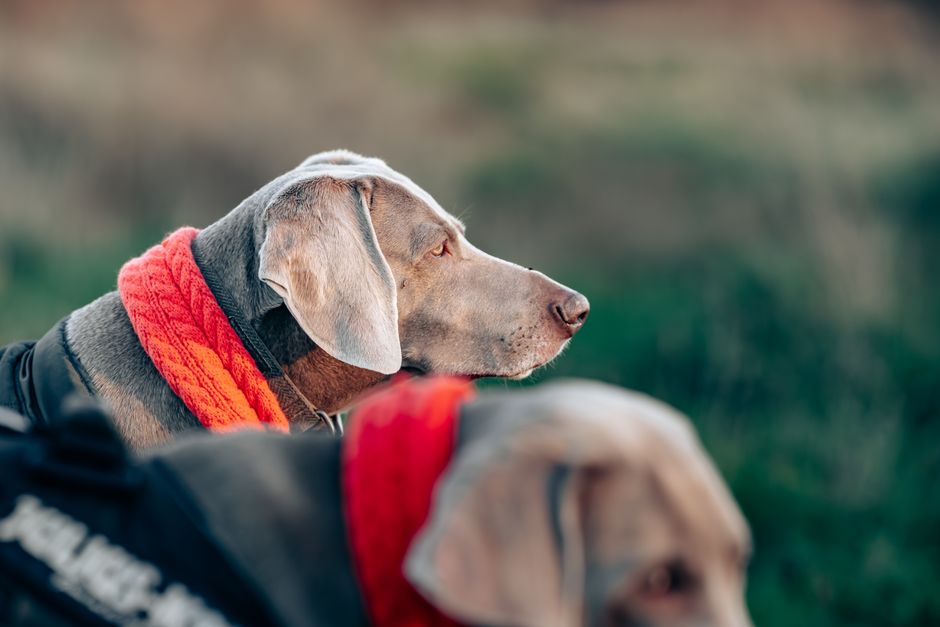
The intersection of canine athleticism and modern technology has ushered in a new era for pet owners and trainers alike. Agility training is a rewarding endeavor that strengthens the bond between human and animal, yet it places significant physical demands on the canine body. To ensure these athletes remain in peak condition, many owners are turning to a dog wearable health monitor to optimize performance and safeguard long-term health. By integrating IoT sensors into daily routines, we can now move beyond intuitive guesswork and embrace data-driven strategies to prevent injury and enhance the physical longevity of our four-legged companions.
The Role of IoT in Canine Performance
At the heart of modern pet wearable technology lie sophisticated sensors, primarily accelerometers and gyroscopes. These components track movement patterns with clinical precision, capturing data on stride length, jump height, landing impact, and overall activity intensity. When applied to dogs participating in high-intensity sports, this data becomes a vital diagnostic tool. Rather than waiting for a noticeable limp—which often indicates an injury has already occurred—owners can use these sensors to identify subtle changes in gait that signal early-stage joint fatigue or muscle soreness.
Personalizing Exercise Loads
One of the most significant advantages of using a dog respiratory monitor or movement tracker is the ability to tailor exercise intensity to the individual. Every dog has a different recovery capacity, influenced by age, breed, and current fitness level. By analyzing the load data provided by a wearable, handlers can adjust training sessions in real-time. If the sensors indicate that a dog is showing signs of reduced acceleration or altered movement patterns, the handler can scale back the intensity before a repetitive strain injury develops. This customized approach ensures that the dog remains challenged without being pushed to the point of physical depletion.
Data-Driven Prevention and Longevity
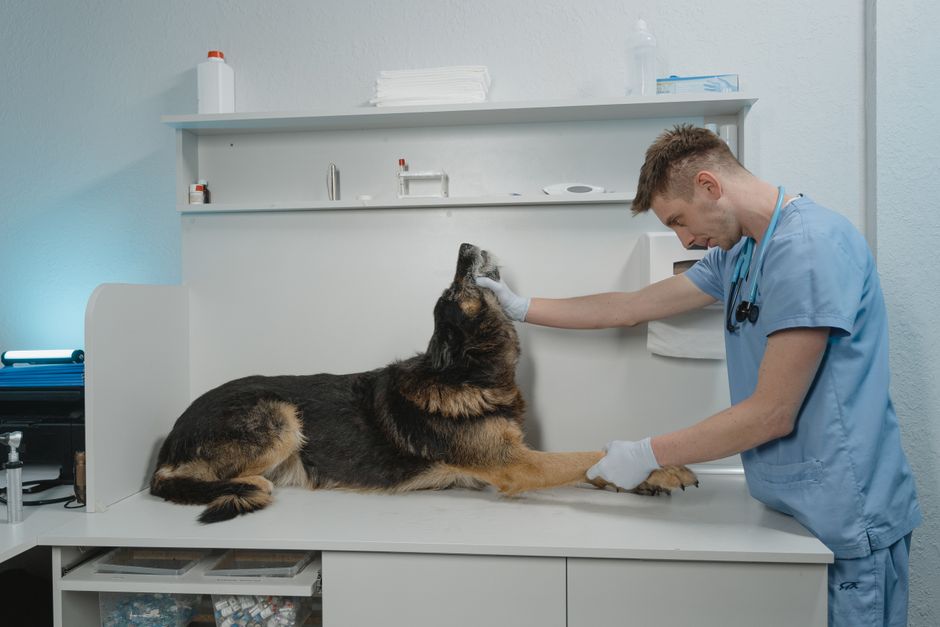
The ultimate goal of utilizing the best dog health monitor is to extend the active career and overall lifespan of the animal. High-performance dogs are prone to specific orthopedic issues, such as cruciate ligament tears or shoulder strain, often caused by overtraining or improper conditioning. Technology allows us to bridge the gap between human observation and physiological reality. When researchers or trainers develop wearable solutions, they are essentially creating a feedback loop that highlights when a dog needs more rest, improved hydration, or a change in surface training.
Monitoring Recovery and Sleep Patterns
Physical longevity is not just built on the training field; it is forged during rest. Advanced trackers monitor sleep quality and recovery heart rates, providing insights into how well a dog is bouncing back from a rigorous agility course. A dog that is not achieving deep, restorative sleep may be suffering from underlying inflammation or stress. By tracking these metrics, owners can proactively address recovery needs, ensuring that the canine athlete is fully recharged for the next session. This focus on recovery is a cornerstone of injury prevention and long-term health maintenance.
Selecting the Right Technology
When searching for the best dog health monitor, it is important to consider the specific needs of an agility dog. Not all devices are created equal. Some are designed for general activity tracking, while others offer the high-frequency sampling rates required for sports analysis. When evaluating different options, consider the following criteria:
| Feature | Why It Matters for Agility |
|---|---|
| High-Frequency Sampling | Captures rapid movements, jumps, and turns accurately. |
| Waterproofing | Essential for outdoor training in various weather conditions. |
| Weight and Ergonomics | Must be lightweight to avoid interfering with the dog’s natural movement. |
| Battery Life | Ensures continuous monitoring throughout long training days or competitions. |
| Mobile Integration | Provides easy access to data trends for quick adjustments. |
FAQ: Frequently Asked Questions
How to increase longevity in dogs?
Increasing longevity involves a combination of proactive veterinary care, a high-quality diet, and managed exercise. For active dogs, using a dog wearable health monitor helps catch potential health issues before they become chronic. Maintaining a healthy weight is also critical, as even a small amount of excess weight places significant stress on canine joints and organs, shortening their active years.
What dog breed is best for agility?
While many breeds excel in agility, Border Collies, Shetland Sheepdogs, and Australian Shepherds are frequently recognized for their speed, intelligence, and drive. However, the best breed is ultimately the one that matches your lifestyle and commitment level. Any dog, regardless of breed, can benefit from structured exercise, provided the intensity is appropriate for their physical structure and age.
At what age should a dog start agility training?
Foundation training, such as basic obedience, target training, and body awareness exercises, can begin as early as a few months old. However, high-impact activities like full-height jumps or weaves should be delayed until a dog’s growth plates have closed, which typically occurs between 12 and 18 months. Using a wearable during this developmental phase can help monitor activity levels to ensure they are age-appropriate.
What are some good exercises for agility training my dog?
Good agility exercises include flat work (handling skills without obstacles), core strengthening exercises like balancing on wobble cushions, and rear-end awareness drills. These exercises build the foundation of strength and coordination required for technical obstacles. Always use a dog respiratory monitor or activity tracker to ensure the dog is not overexerting themselves during these introductory sessions.
Conclusion
Incorporating IoT-enabled sensors into your dog’s agility journey is more than just a technological trend; it is a commitment to their well-being and longevity. By leveraging data to monitor movement, recovery, and overall physiological stress, you can create a safer and more effective training environment. As we continue to develop wearable tools specifically for our canine partners, the ability to prevent injury and optimize performance will only improve. Whether you are a competitive athlete or a casual enthusiast, investing in the right health monitoring technology ensures that your dog remains a happy, healthy, and active companion for many years to come.