

In the evolving landscape of high-end interior design, the focus has shifted from mere aesthetics to the biological impact of our environments. As we spend an increasing amount of time indoors, the disconnect between our modern lifestyles and our internal biology has become a critical concern. Central to this issue is the circadian rhythm, the 24-hour internal clock that governs our sleep-wake cycles, hormone release, and cognitive performance. By integrating sophisticated circadian lighting systems, homeowners can bridge this gap, creating living spaces that actively support human health while maintaining a refined, elevated design language.
The Science of Biological Synchronization
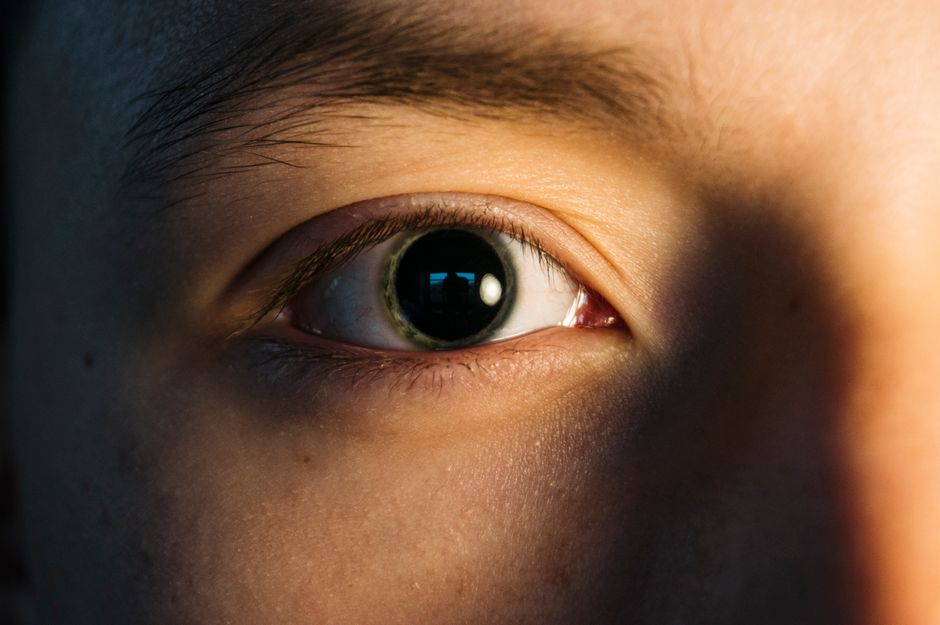
The human body is hardwired to respond to the progression of natural light. For millennia, our ancestors lived in sync with the sun, experiencing high-intensity, blue-enriched light during the day and low-intensity, amber-hued light at night. Modern architecture, however, often relies on static illumination that remains constant regardless of the hour, which can inadvertently disrupt our hormonal balance. Circadian lighting for home environments aims to rectify this by dynamically adjusting both the intensity and the color temperature of artificial light to mirror the solar cycle.
Light acts as the primary zeitgeber—or time-giver—for our internal biological processes. When we are exposed to cool, bright light in the morning, our bodies suppress melatonin production and increase cortisol, signaling that the day has begun. Conversely, as the evening approaches, a transition to warmer, dimmer light prompts the body to produce melatonin, the hormone essential for restorative sleep. By utilizing advanced lighting technology, we can curate an atmosphere that reinforces these natural transitions, leading to improved mood, sharper focus, and significantly higher sleep quality.
Advanced Lighting Solutions for Modern Interiors
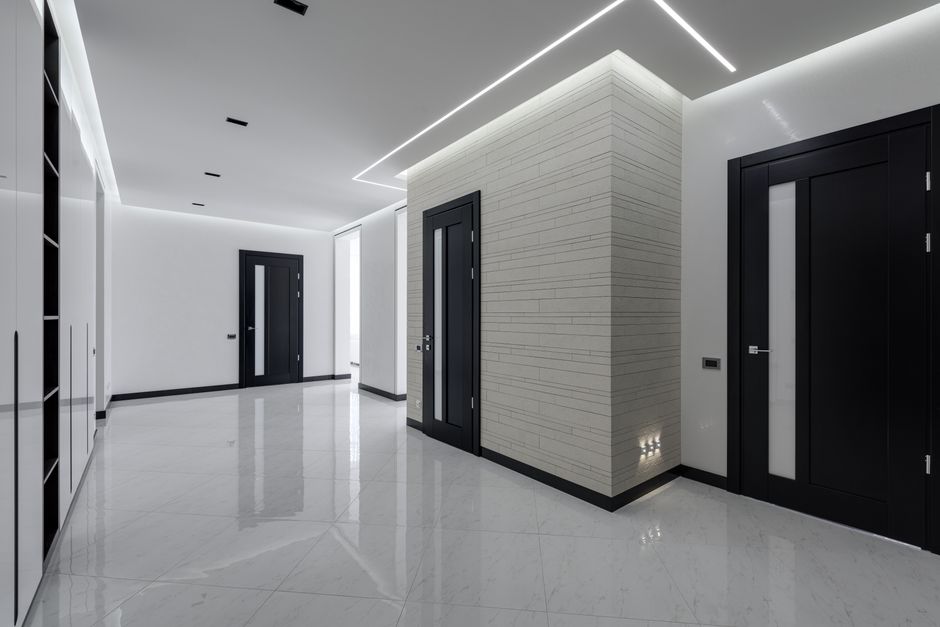
Implementing a wellness-focused lighting strategy requires more than just changing a few bulbs; it demands a holistic approach to design. Whether you are renovating a primary suite or designing a home office, the goal is to create a seamless transition between light states that feels intuitive rather than mechanical.
Tunable White Technology
The cornerstone of effective circadian design is the use of tunable white LEDs. Unlike traditional static bulbs, tunable white systems allow for the precise adjustment of color temperature, measured in Kelvin (K). During the peak of the day, lighting systems can shift toward 5500K-6500K, providing the crisp, cool illumination necessary for productivity. As the day wanes, the system gradually transitions to a warmer 2200K-2700K, removing the blue light spectrum that can otherwise interfere with the body’s wind-down process. Leading providers like Kazzar Lighting offer sophisticated hardware that integrates these capabilities into high-end fixtures, ensuring that wellness never comes at the expense of style.
Integration with Smart Home Ecosystems
The true power of circadian lighting is unlocked through automation. A well-designed smart home system acts as a conductor for your environment, coordinating your lighting with other factors like motorized blinds. For instance, your home can be programmed to gradually increase light intensity in the morning, mimicking a natural sunrise, while automated shades adjust to maximize natural daylight exposure. By layering artificial lighting with natural light, you create a balanced, dynamic environment that evolves throughout the day.
Design Considerations for Circadian Wellness
When incorporating these systems into a high-end design project, the hardware must disappear into the architecture. The emphasis should remain on the quality of light and the overall atmosphere. To achieve a professional, integrated result, consider the following strategies:
- Layering Light: Do not rely on a single overhead source. Combine circadian-tuned ambient lighting with task lighting and decorative sconces to create depth and texture.
- Control Systems: Utilize robust control protocols such as DALI or DMX for granular, flicker-free dimming. These systems allow for complex scenes that can be adjusted based on the specific needs of a room, such as a home office requiring high focus versus a bedroom requiring deep relaxation.
- Material Interaction: Be mindful of how light reflects off different surfaces. High-gloss finishes can create glare, while matte or textured materials help diffuse the light, creating a softer, more inviting glow that complements the circadian shift.
The Economic and Personal Value of Wellness Design
Investing in circadian technology is no longer just a trend; it is a long-term strategy for home value and personal health. Recent market data suggests that wellness-centric features are becoming a primary requirement for luxury buyers. A home that is designed to support the occupant’s biological needs can significantly improve daily quality of life, potentially increasing property value by 10% to 25%. When a home functions as a sanctuary, it provides a measurable return on investment in both physical health and asset appreciation.
Frequently Asked Questions
How do circadian lighting bulbs differ from standard smart bulbs?
While standard smart bulbs often allow for color changes, true circadian lighting bulbs are engineered for high color rendering index (CRI) and specific spectral output. They are designed to provide a smooth, flicker-free transition that specifically targets the melanopsin-containing retinal ganglion cells in the eye, which are responsible for regulating the circadian rhythm.
Can I install circadian lighting in an existing home?
Yes, many modern systems are designed for retrofit applications. You can upgrade existing recessed lighting or fixtures with tunable white components and integrate them into a central control hub. However, for the best results, working with a lighting designer is recommended to ensure that the layout and intensity levels are calibrated correctly for your specific floor plan.
What is the role of natural light in this process?
Natural light is the gold standard for circadian health. Circadian lighting is intended to supplement, not replace, natural daylight. By combining high-quality artificial lighting with automated window treatments, you ensure that your body receives the correct biological signals regardless of the weather or the time of year.
Is it difficult to operate these automated systems?
The hallmark of a well-designed system is simplicity. Once the schedules are programmed based on your lifestyle, the system should operate in the background. Most modern interfaces allow for manual overrides, ensuring that you have full control over your environment whenever you need it.
Conclusion
Aligning your home’s atmosphere with your natural biology is a sophisticated way to enhance your daily life. By embracing circadian lighting, you transform your living spaces into environments that are not only beautiful but also inherently supportive of your health and well-being. Whether through the installation of advanced tunable white LEDs or the integration of a comprehensive smart home system, the transition to biological lighting is a vital step in modern interior design. By prioritizing light that respects our internal rhythms, we create homes that truly nurture us, fostering a sense of balance and vitality that lasts from sunrise to sunset.