
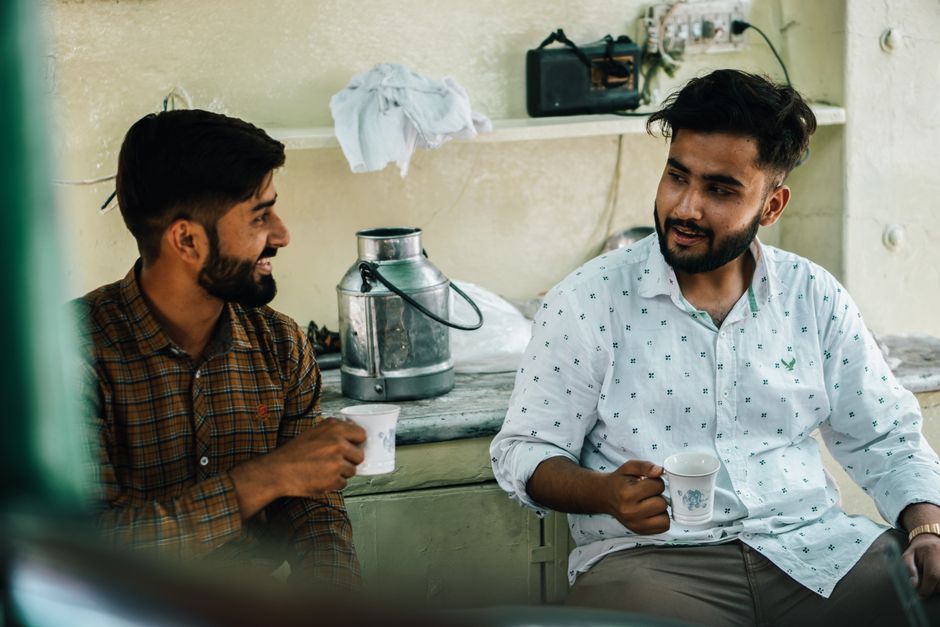
For decades, the modern man has been sold a narrative of rugged individualism: the lone wolf who rises to the top, shoulders his burdens in silence, and finds satisfaction solely through professional output. Yet, as the statistics on male isolation climb, it is becoming increasingly clear that this solitary path is a dead end. We are witnessing a profound deficit in the social fabric of our lives, specifically regarding the absence of environments that exist outside the home and the office. These environments, known as third places, are the bedrock of community and, for many men, the missing link to a life of genuine connection and brotherhood. Reclaiming the importance of these physical spaces is not an act of nostalgia; it is a necessary evolution for the modern man to flourish.
Understanding the Third Place: More Than Just a Hangout
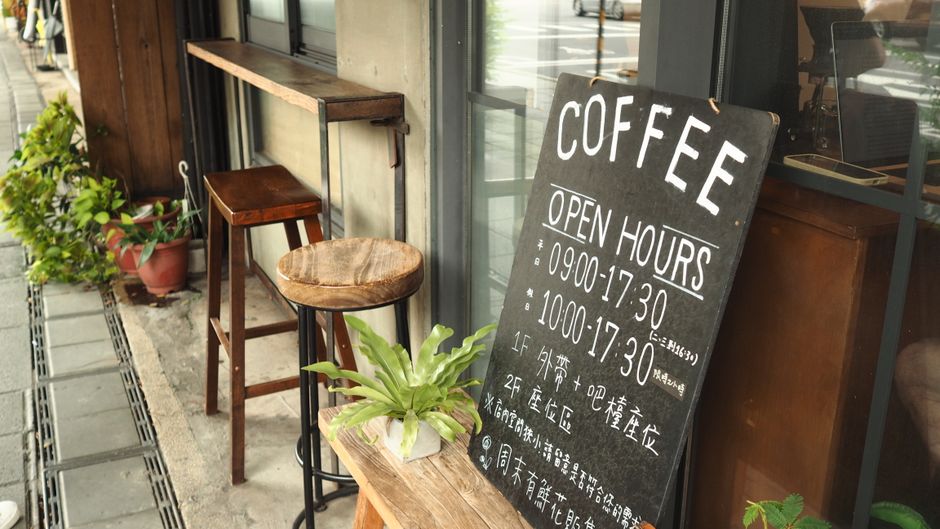
To grasp why we feel so disconnected, we must look at the third place definition Ray Oldenburg championed in his seminal 1989 work, The Great Good Place. Oldenburg identified that for a healthy society to function, individuals need three distinct environments. The first place is the home, the second is the workplace, and the third place is the social anchor. These spaces are neutral grounds where people can gather, converse, and build relationships without the pressures of domestic chores or corporate performance metrics.
The third places importance cannot be overstated. These locations are characterized by low barriers to entry, a focus on conversation, accessibility, and a regular cast of characters. Historically, for men, this manifested in barbershops, fraternal lodges, local pubs, and sporting clubs. These were not merely places to kill time; they were proving grounds for character, forums for mentorship, and sanctuaries where a man’s value was determined by his presence and his word rather than his job title or bank account.
The Erosion of Male-Centric Infrastructure
The decline of these spaces is a complex social phenomenon. As egalitarian attitudes reshaped the landscape of public life, many traditional male-centric institutions were viewed as exclusionary or outdated. While the shift toward more inclusive, gender-neutral public environments was a necessary correction for societal progress, the unintentional byproduct was the erosion of the specific “fraternity” that these older institutions provided. When the doors of the local lodge or club closed, they weren’t replaced with equivalent, modern community hubs.
This has led to a significant impact of third places on community quality of life. Without these anchors, the social infrastructure of our neighborhoods has become fragmented. For men, this has exacerbated the epidemic of loneliness. When you remove the physical venue for spontaneous interaction, you force all social life into the digital sphere or the highly structured, high-pressure environments of family and work. The result is a generation of men who, despite being more connected via technology, report higher levels of social isolation than ever before.
Third Spaces and the Generational Divide
The crisis is not limited to older generations. We are seeing a distinct lack of third spaces for teens and young adults. Third spaces Gen Z are often restricted to digital platforms like Discord or gaming servers, which, while useful, lack the physical, face-to-face accountability that builds deep social bonds. When young men are deprived of physical, community-oriented venues, they lose the opportunity to learn essential social cues and conflict resolution skills that can only be developed in person.
The current landscape for third places and loneliness is stark. We have prioritized “efficiency” and “convenience” in our urban planning and daily lives, often at the expense of “serendipity.” A gym, a coffee shop, or a library can serve as a third place, but only if the culture within them encourages lingering and interaction. Many modern establishments are designed for high turnover—grab your coffee, finish your workout, get to work. This design philosophy is fundamentally antithetical to the purpose of a third place, which requires time, stability, and a sense of shared belonging.
The Renaissance: Building the New Brotherhood
The good news is that we are beginning to see a pivot. Men are realizing that if these spaces don’t exist, they must be built. This renaissance of third spaces is manifesting in new, diverse forms. It is not about returning to the exclusive, restrictive clubs of the past, but about creating inclusive, accessible hubs that cater to all socioeconomic classes.
What does this new infrastructure look like? It looks like community workshops where men can learn trades, urban hiking groups, local board game collectives, and volunteer-led community gardens. These are venues where the focus is on shared activity—the “doing” provides the scaffolding for the “bonding.” By engaging in a task, men can bypass the awkwardness of forced socialization and move directly into the camaraderie that comes from working alongside others toward a common goal.
Key Characteristics of Modern Third Spaces
| Feature | Traditional Model | Modern Renaissance Model |
|---|---|---|
| Accessibility | Restricted/Private | Open/Inclusive |
| Primary Activity | Passive socializing | Active, skill-based, or shared interest |
| Focus | Status/Hierarchy | Mentorship/Community growth |
| Environment | Fixed/Static | Adaptive/Dynamic |
FAQ: Addressing the Social Deficit
What is Ray Oldenburg’s theory of the third place?
Ray Oldenburg’s theory suggests that a healthy society requires three types of spaces. The first is home, the second is work, and the third is a communal space that acts as a social anchor. A true third place is neutral ground, allows for easy access, features a “home away from home” atmosphere, and encourages conversation as the primary activity. It is where you find your “regulars” and feel a sense of belonging outside your formal obligations.
What are some popular books about third spaces?
The foundational text remains The Great Good Place by Ray Oldenburg. For more contemporary takes on how social infrastructure impacts our lives, Eric Klinenberg’s Palaces for the People provides an excellent look at how physical spaces like libraries and parks foster social cohesion. Additionally, Robert Putnam’s Bowling Alone remains the definitive work on the decline of social capital and community engagement in America.
Why are third places important in a community?
Third places are the glue that holds a community together. They provide the setting for spontaneous interactions that bridge social and economic divides. When people from different backgrounds share a physical space, they build the “weak ties” that are essential for a functioning, democratic, and empathetic society. Without these spaces, communities become atomized, and individuals are left to navigate the world in isolation.
Why are third spaces disappearing?
The disappearance of third spaces is largely due to urban planning that favors cars and commercial efficiency over pedestrian-friendly social spaces. Additionally, the rise of the digital economy has reduced the necessity of leaving the house for entertainment or socialization. Economic pressures have also made it difficult for small, independent “hangout” spots to survive against high rents and the demand for constant productivity.
Conclusion: The Path Forward
The journey from the isolated “lone wolf” to a connected, community-driven individual requires more than just a change in mindset; it requires a change in environment. We must stop viewing our free time as a commodity to be spent in isolation and start viewing it as an investment in our local community. Whether it is by supporting a local hobby shop, joining a volunteer group, or simply becoming a “regular” at a neighborhood establishment, we each have a role to play in the renaissance of third spaces. By creating these venues, we are doing more than just finding a place to sit; we are building the infrastructure for a stronger, more resilient, and more connected brotherhood.