

Designing Neuro-Inclusive Spaces for Women with ADHD

For many women navigating life with ADHD, traditional home and office environments often feel counterproductive. Conventional design standards frequently prioritize aesthetic uniformity over the reality of neurodivergent sensory profiles. Neuro-inclusive design is not an aesthetic trend; it is a functional framework aimed at reducing cognitive load and supporting executive function. By intentionally designing spaces that accommodate sensory sensitivities, we can transform living and working areas into sanctuaries that foster focus and promote long-term well-being.
The Foundations of Neuro-Inclusive Design
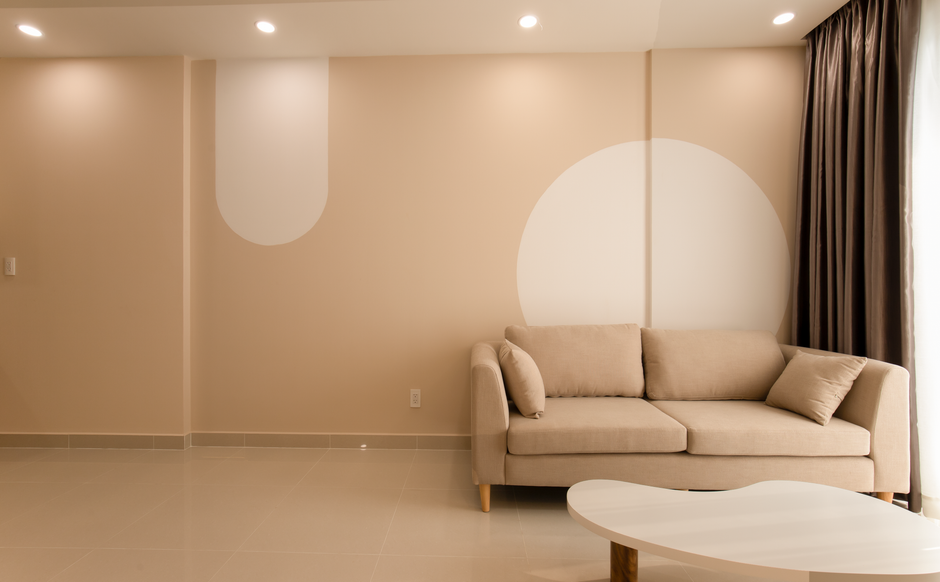
Neuro-inclusive design recognizes that brains process environmental stimuli differently. For many women with ADHD, this manifests as heightened sensitivity to auditory, visual, or tactile input. When an environment lacks optimization, the brain must exert significant energy to filter out irrelevant stimuli, leading to sensory overload and mental fatigue. Creating an inclusive space requires moving away from rigid, one-size-fits-all layouts in favor of flexible, adaptable environments that provide the user with agency and control.
Sensory Processing and Environmental Agency
Sensory processing differences mean that a space perceived as neutral by one person may feel chaotic or draining to another. The primary goal of neuro-inclusive design is to provide the user with environmental agency. This involves incorporating features that allow for rapid adjustments to the surroundings, such as variable lighting, sound-dampening materials, and distinct zones that accommodate transitions between high-energy tasks and low-energy recovery.
Strategic Elements for Sensory-Friendly Spaces
To implement effective design strategies, one must address specific variables that impact the daily experience of those with ADHD. Whether you are renovating a home office or optimizing a living area, the following elements are essential for success.
Visual Comfort and Color Psychology
Color and light significantly influence mood and cognitive performance. In neuro-inclusive spaces, the goal is to create visual comfort rather than high-stimulation patterns.
- Color Palettes: Use muted, nature-inspired tones—such as soft greens, earthy terracottas, or calming blues—to ground the nervous system.
- Lighting: Avoid harsh overhead lighting and flickering bulbs, which are common triggers for ocular strain and distraction. Prioritize warm, indirect lighting and maximize natural light sources.
- Surface Textures: Minimize glare by choosing matte finishes over glossy surfaces to reduce visual distraction.
Cognitive Support Through Organization
Executive function challenges can make navigating cluttered environments feel overwhelming. Effective organization acts as an externalized support system for the brain. Key strategies include:
- Designated Storage: Ensure every item has a specific home to reduce the mental energy spent searching for objects.
- Visual Cues: Utilize labeled storage, color-coded systems, or clear containers to streamline daily tasks.
- Surface Minimalism: Keep work surfaces clear of non-essential items to minimize visual noise and prevent procrastination.
Designing for Choice and Flexibility
Because the needs of an ADHD brain fluctuate throughout the day, static rooms are rarely sufficient. Designers should focus on creating multi-functional spaces that offer a variety of sensory experiences within the same footprint.
| Spectrum of Need | Design Strategy |
|---|---|
| Acoustics | Use sound-absorbing materials like acoustic panels, rugs, and heavy curtains. |
| Brightness | Install dimmable switches and localized task lighting. |
| Energy Levels | Design specific zones for active movement and separate areas for stillness. |
| Social Privacy | Use room dividers, furniture placement, or screens to define private zones. |
Biophilia and Natural Integration
Biophilic design—the practice of incorporating natural elements into the built environment—is highly effective for neurodivergent individuals. Research indicates that connection with nature, such as indoor plants, natural textures, and access to fresh air, helps lower cortisol levels and restore directed attention. For women with ADHD, greenery acts as a gentle, non-demanding sensory input that aids in mental restoration.
Applying UX Principles to Physical Space
User Experience (UX) design principles, typically used for digital interfaces, are equally applicable to physical architecture. By mapping out the “user journey” through a room, you can identify points of frustration. Ask yourself: Is the path to your workspace clear of obstacles? Are the light switches easily accessible? By viewing your space through the lens of a user journey, you can remove friction points that contribute to daily overwhelm.
Frequently Asked Questions
How can I make my home more sensory-friendly without a full renovation?
Start by auditing your sensory triggers. Identify which areas cause the most distress and implement incremental changes. Replace harsh bulbs with warm-toned LEDs, add textiles to dampen echoes, and use opaque storage bins to hide visual clutter. Creating a small “sensory recharge” corner with a comfortable chair and a weighted blanket provides a necessary space for nervous system regulation.
What is the most important factor when choosing colors?
The most important factor is the emotional and physiological response the color evokes in you. Avoid high-stimulation, neon colors or complex, high-contrast patterns if you find them distracting. Opt for a cohesive, neutral, or calming palette. If you enjoy color, use it in moderation through decor pieces that can be easily swapped if your sensory needs evolve.
Does neuro-inclusive design have to look clinical or boring?
Not at all. Neuro-inclusive design focuses on functionality, but it is highly compatible with personal style. By focusing on textures, organic shapes, and meaningful decor, you can create a space that is both deeply expressive and calming. The goal is to curate an environment that reflects your personality while removing the obstacles that hinder your productivity and well-being.