
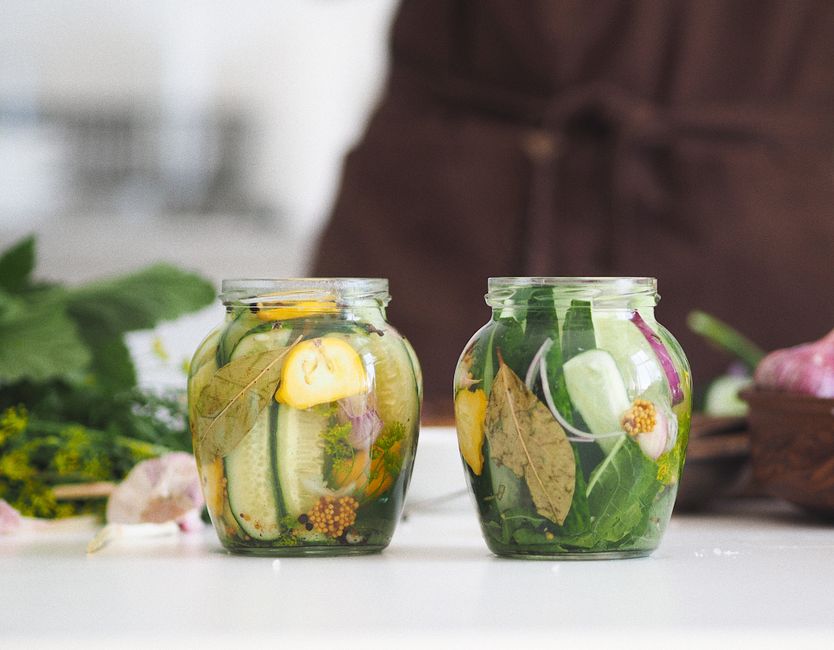
In the modern kitchen, the transition from waste to wealth is not just an environmental imperative; it is a culinary evolution. For the conscious home cook, the trash bin is no longer the final destination for carrot peels, onion skins, and broccoli stalks. By establishing your own zero-waste fermentation lab, you transform these overlooked remnants into complex, umami-rich ingredients that elevate your cooking. This approach goes beyond simple composting, allowing you to extract maximum flavor and nutrition from every vegetable you bring into your home.
The Philosophy of the Zero-Waste Fermentation Lab

At the heart of a zero-waste kitchen is a shift in perspective. When we view vegetable scraps not as refuse but as raw materials, we unlock a secondary pantry. Fermentation, in particular, offers a unique way to preserve these scraps, extending their shelf life while developing flavors that fresh vegetables simply cannot offer. Whether you are searching for the zero waste fermentation lab preserving vegetable scraps youtube tutorials or seeking the zero waste fermentation lab preserving vegetable scraps free guides, the core principle remains: observation, experimentation, and patience.
Building Your Lab Infrastructure
You do not need high-tech equipment to start. A few clean glass jars, a kitchen scale for precision, and high-quality sea salt are the foundations of your lab. When you treat your kitchen as a workspace, you become more mindful of the lifecycle of your ingredients. By documenting your experiments—tracking salt percentages, ambient temperatures, and fermentation times—you move from being a casual cook to a culinary scientist.
Transforming Scraps into Culinary Gold

The most common application for vegetable scraps is, of course, the classic stock. However, a true zero-waste kitchen pushes further. Instead of simply boiling scraps into a watery liquid, focus on creating a concentrated base.
The Vegetable Base Recipe
To create a potent vegetable base recipe, you must curate your scraps carefully. Avoid overly bitter items like cruciferous leaves in large quantities, and stick to the aromatic trifecta: onion skins, carrot ends, and celery trimmings. By roasting your scraps lightly before simmering, or by fermenting them in a 2% brine for a week, you generate a depth of flavor that mimics store-bought bouillon but with superior nutritional density.
The Vegetable Broth Concentrate Recipe
If storage space is at a premium, a vegetable broth concentrate recipe is your best friend. By simmering your collected scraps with a minimal amount of water until they are tender, then blending them into a thick paste with salt and herbs, you create a shelf-stable or freezer-friendly concentrate. This base can be stirred into soups, risottos, or grain bowls, providing an immediate flavor boost that a standard stock cannot achieve.
Beyond the Pot: Fermentation and Preservation
While broth is a staple, fermentation allows for the preservation of vegetable scraps in ways that alter their texture and acidity. Lacto-fermentation is the primary tool here. When you take vegetable peelings—specifically those from root vegetables like beets or carrots—and submerge them in a brine, you encourage the growth of beneficial bacteria. This process creates a crunchy, tangy snack or a probiotic condiment that can be used to brighten heavy dishes.
The Role of Zero Waste Bone Broth
For those who consume animal products, integrating zero waste bone broth with your vegetable scraps is the pinnacle of kitchen efficiency. By using the bones left over from a roast and combining them with the “inedible” ends of your aromatics, you create a collagen-rich, nutrient-dense liquid. The vegetables provide the sweetness and complexity, while the bones provide the body and minerals. This synergy ensures that no part of the animal or the plant goes to waste.
Managing Your Scrap Inventory
Efficiency in the zero-waste lab comes down to organization. If you find yourself asking the zero waste fermentation lab preserving vegetable scraps qui, it usually refers to the speed and efficiency of your processing. Keep a dedicated freezer bag for your scraps. When it is full, process the entire batch at once. This “batch processing” method prevents your freezer from becoming cluttered and ensures you always have enough material to make a full-bodied broth or a successful ferment.
Frequently Asked Questions
How to save veggie scraps for stock?
The most effective way to save scraps is to keep a large, reusable silicone bag or container in your freezer. As you chop vegetables for meals, simply toss the clean ends, skins, and trimmings into the bag. Avoid starchy items like potato peels, which can make a stock cloudy, and focus on aromatics like onions, leeks, carrots, celery, and herb stems. Once the bag is full, you are ready to prepare your stock or concentrate.
Can I just throw vegetable scraps in my garden?
While you can technically throw scraps directly into a garden, it is not always recommended. Raw scraps can attract pests, rodents, and neighborhood animals. Furthermore, raw material takes a long time to break down. It is much better to put your scraps through a dedicated composting system or a bokashi fermentation bin. This breaks the material down into a form that plants can actually absorb, preventing the spread of mold or pathogens in your soil.
What to do with old vegetable scraps?
If your scraps are past their prime for a fresh salad or stir-fry, they are still perfect for liquid-based applications. If they are slightly wilted, use them for a broth. If they are tough, like cauliflower stalks or broccoli stems, peel the woody exterior and ferment the tender inner core. There is almost always a second life for these items, provided they are not moldy or decaying.
What can I do with vegetable peelings?
Vegetable peelings are highly versatile. Aside from stocks and ferments, you can toss them in olive oil and salt and roast them until crispy to create “vegetable chips.” Alternatively, you can dehydrate them in a low-temperature oven and grind them into a nutrient-dense vegetable powder. This powder acts as a natural seasoning, adding an earthy, concentrated flavor to eggs, breads, or roasted vegetables.
Conclusion
Embracing a zero-waste lifestyle in the kitchen is a journey of creativity rather than deprivation. By viewing your vegetable scraps as valuable ingredients rather than waste, you develop a more profound connection to your food and a more sophisticated palate. Whether you are crafting a vegetable base recipe for your weekly meal prep, experimenting with zero waste bone broth, or simply freezing your ends for a rainy day, every action contributes to a more sustainable and delicious future. The vegetable is a gift that keeps giving, and with these techniques, you ensure that none of its potential is lost to the landfill.