
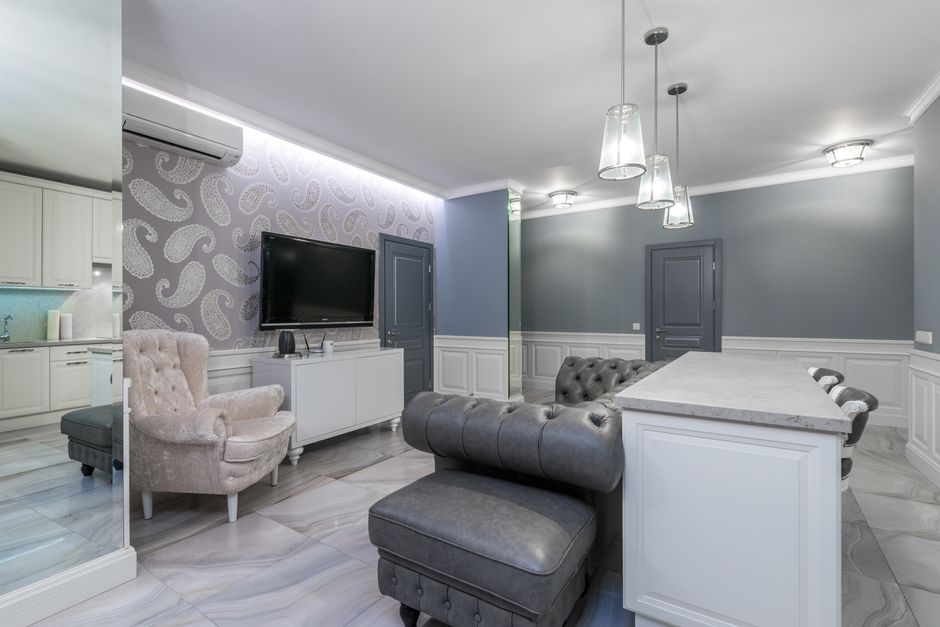
The concept of aging in place has evolved significantly, shifting away from clinical, institutional aesthetics toward a sophisticated model of interior design that prioritizes both grace and utility. For many, the goal is to remain in a familiar, cherished environment while managing the natural transitions of mobility and health. Achieving this balance requires a thoughtful approach to furniture and spatial planning, where the focus remains on independence, safety, and the seamless integration of adaptive features into a high-end, comfortable living space. By selecting pieces that are as beautiful as they are functional, homeowners can create a sanctuary that supports their needs today while remaining resilient for the future.
The Evolution of Adaptive Design

Historically, adaptive equipment for the home was characterized by bulky, industrial-looking medical devices that disrupted the flow and visual harmony of a room. Today, the design industry has embraced the challenge of creating stylish, adaptive furniture that satisfies the requirements for safety without sacrificing a home’s aesthetic character. The modern approach to aging in place emphasizes the marriage of ergonomic chairs, adjustable beds, and modular storage solutions that look right at home in a contemporary or traditional interior.
When selecting furniture for long-term residency, durability and customization are paramount. High-quality materials, such as performance fabrics that are easy to clean and sturdy, sustainably sourced woods, are essential for pieces that must withstand daily use while maintaining their visual appeal. The objective is to select items that provide the necessary support—such as firm lumbar support in seating or height-adjustable surfaces—while ensuring the home remains an inviting, personal space rather than a makeshift medical facility.
Key Furniture Categories for Mobility
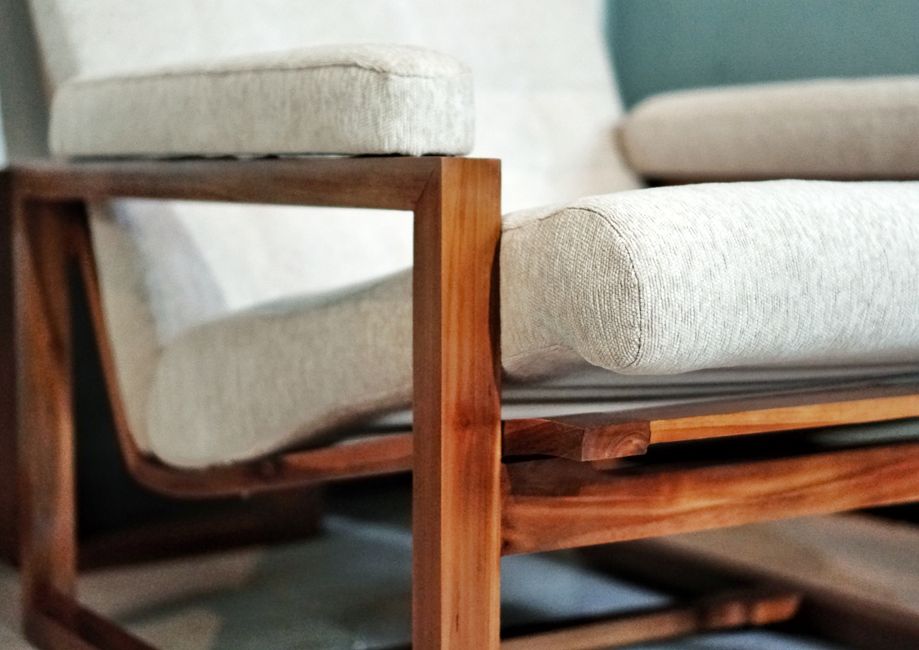
To create a truly accessible home, every piece of furniture should be evaluated for its role in maintaining mobility. The following categories represent the intersection of form and function in the modern household.
Ergonomic Chairs and Seating
Seating is the cornerstone of any living area, yet it is often the most difficult for individuals with mobility challenges to navigate. The best chairs for aging in place are those that offer a firm seat with a depth that allows for easy rising. Power lift recliners, once notorious for their clunky designs, are now available in sleek, leather-upholstered models that resemble high-end club chairs. These pieces provide vital assistance for those with balance issues while blending perfectly into a curated living room.
Adjustable and Modular Surfaces
The ability to alter the environment to suit immediate needs is a hallmark of adaptive living. Adjustable tables and desks allow users to change the height of their workspace or dining area, accommodating wheelchairs or walker users with ease. Furthermore, modular shelving and lightweight, mobile storage units on casters allow for the continuous reconfiguration of a room. By reducing clutter and ensuring that frequently used items are within reach, these pieces drastically lower the risk of falls and increase the user’s sense of autonomy.
Strategic Spatial Planning and Safety
Even the most sophisticated furniture cannot compensate for a poorly laid-out room. Successful design for aging in place relies on creating clear, unobstructed pathways that allow for easy movement. This is where the concept of space-saving becomes a safety feature rather than just a luxury.
- Clear Pathways: Ensure that all furniture is arranged to provide at least 36 inches of clearance in walkways, allowing for easy navigation with mobility aids.
- Surface Stability: Avoid low-profile furniture that is difficult to stand up from. Opt for pieces that have sturdy arms and stable bases.
- Lighting Integration: Combine furniture placement with smart lighting. Placing floor lamps or wall sconces near seating areas ensures that transitions are always well-lit, reducing the risk of tripping.
- Contrasting Elements: Use color contrast to define edges of furniture or flooring transitions. This is particularly helpful for individuals with visual impairments or depth perception issues.
Enhancing the Home Environment Through Technology
Modern technology has become an invisible but powerful ally in the aging-in-place journey. Smart home systems allow residents to manage their environment through voice commands or simple smartphone interfaces. For instance, integrating automated window treatments and climate control eliminates the need for reaching or physical exertion. When combined with adaptive furniture, these technological layers create a responsive home that adapts to the occupant’s physical state throughout the day.
FAQ: Common Inquiries About Aging in Place
What are the best adaptive equipment for seniors?
The best adaptive equipment is that which is unobtrusive and highly functional. This includes power lift chairs, adjustable-height tables, grab bars that are integrated into bathroom vanity designs, and smart home lighting systems. The focus should always be on items that allow the individual to perform daily tasks independently, such as reachers for high shelves, lever-style door handles, and non-slip rugs.
What kind of furniture is suitable for people with mobility issues?
Furniture suitable for mobility issues should be sturdy, provide adequate support, and be easy to enter and exit. Look for pieces with firm cushioning, armrests that provide leverage, and heights that are slightly higher than standard, which makes sitting and standing much easier. Lightweight furniture or pieces on locking casters are also highly recommended for their ability to adapt to changing spatial needs.
What is the newest mobility device for seniors?
The latest advancements in mobility devices have moved toward “invisible” support. This includes stylish, lightweight carbon-fiber walkers that look like modern accessories, as well as wearable sensors that can detect falls and alert caregivers immediately. Additionally, there are now sophisticated smart beds that adjust firmness and tilt to prevent pressure sores while assisting with getting in and out of bed.
What is the best room color for elderly people?
While personal preference is key, designers often recommend high-contrast color schemes to improve navigation and safety. Using a light-colored wall with darker, contrasting furniture helps define boundaries and improves depth perception. Soft, warm tones like creams, light blues, or sage greens are generally preferred for creating a calming atmosphere, but it is vital to ensure that floors and stairs are painted or finished in a color that clearly contrasts with the walls to prevent accidents.
Conclusion
Creating a home for aging in place is a process of balancing personal narrative with practical necessity. By selecting adaptive furniture that prioritizes both aesthetics and safety, you can transform your living space into a supportive environment that fosters independence. Remember that the most successful designs are those that evolve alongside the occupant. Through careful selection of adjustable pieces, thoughtful spatial planning, and the integration of subtle, supportive technologies, your home will remain a place of comfort, dignity, and joy for years to come. Ultimately, the goal is to cultivate a living space that feels less like a series of accommodations and more like a true home, where every item serves a purpose in helping you live your best life.