

The Rise of Smart Strollers: A Guide to AI-Enhanced Parenting

The landscape of modern parenting is undergoing a technological revolution, with the humble stroller at the forefront. For decades, stroller design remained static: a simple frame, wheels, and a seat. Today, the emergence of self-driving smart strollers is transforming how caregivers navigate the world. By integrating robotics, artificial intelligence, and advanced sensor arrays, these machines provide physical assistance, enhance safety, and offer peace of mind. As parents seek more efficient ways to manage daily life, motorized and AI-enhanced equipment has become a significant focal point for families.
How Smart Strollers Improve Mobility
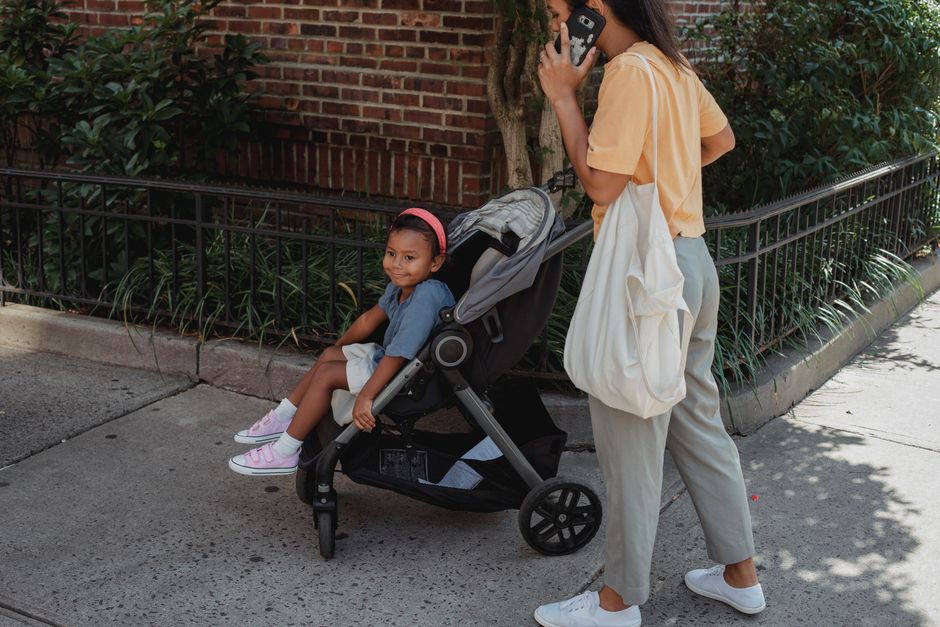
Traditional strollers require constant physical effort, particularly on steep inclines, uneven terrain, or during long walks. Smart strollers solve these challenges through push-assist technology. Motors detect the force applied by the caregiver and subtly augment it, making the stroller feel nearly weightless. This is a game-changer for parents recovering from childbirth, those managing joint pain, or anyone navigating hilly urban environments.
Advanced Safety and AI Features
- Automatic Braking: If a caregiver loses their grip on the handle, sensors instantly engage an automatic braking system to prevent the stroller from rolling away.
- Hands-Free Following: Using computer vision, some models can follow a parent at a safe distance, freeing up hands to carry bags or hold an older child’s hand.
- Environmental Monitoring: IoT sensors track ambient temperature, humidity, and even the baby’s vitals, sending real-time notifications directly to the parent’s smartphone.
Key Considerations Before You Buy
While the technology is impressive, parents should carefully weigh the pros and cons before investing in a high-tech model.
Weight and Portability
The inclusion of high-torque motors, lithium-ion batteries, and sensor arrays significantly increases the weight of the chassis. While a standard umbrella stroller might weigh under 15 pounds, a smart stroller is often much heavier. This makes them less suitable for parents who frequently navigate stairs or need to fold the stroller into compact car trunks.
The Price of Innovation
Smart strollers currently sit at the premium end of the market. Parents should view these as a long-term investment in comfort and safety. However, for those not ready to commit to a full-scale unit, a growing market for motorized stroller attachments allows parents to retrofit existing strollers with push-assist technology at a lower price point.
Comparison: Traditional vs. Smart Strollers
| Feature | Traditional Stroller | Smart/AI Stroller |
|---|---|---|
| Propulsion | Manual effort | Motorized push-assist |
| Braking | Manual foot pedal | Automatic sensor-based |
| Monitoring | None | Integrated app tracking |
| Portability | Lightweight/Easy to carry | Heavy/Robust frame |
Safety and Ethical Considerations
Manufacturers are acutely aware of concerns regarding technical glitches or unexpected movement. To mitigate these risks, most systems feature redundant safety protocols. Motors are typically programmed to remain inactive unless the child is properly buckled and sensors have verified a clear, safe path. The primary goal of these systems is to augment, not replace, the caregiver’s supervision.
Frequently Asked Questions
Will insurance or Medicaid cover a smart stroller?
Standard health insurance typically does not cover commercial smart strollers, as they are viewed as general childcare items. However, if a child has a diagnosed disability, a physician may prescribe an adaptive medical stroller. In these cases, the item may be classified as “Durable Medical Equipment” (DME) and potentially covered by Medicaid or private insurance.
What is the benefit of AI in a stroller?
AI allows the stroller to react to its environment in real-time. This includes adjusting speed on hills, stopping automatically if the parent loses contact, and providing data-driven insights into the child’s comfort levels, such as canopy temperature or sleep patterns.
Are smart strollers difficult to charge?
Like any electric vehicle, smart strollers require regular charging. Most models come with removable battery packs that can be charged via a wall outlet, though parents must remember to charge them consistently to maintain the motorized push-assist functions.
Conclusion
The shift toward smart strollers represents a significant leap in parental assistance technology. By offloading the physical strain of transport and providing an extra layer of monitoring, these innovations allow parents to focus more on their children and less on the mechanics of travel. As the industry matures, we can expect more competitive pricing and a wider variety of form factors, making high-tech mobility a standard option for the modern family.