
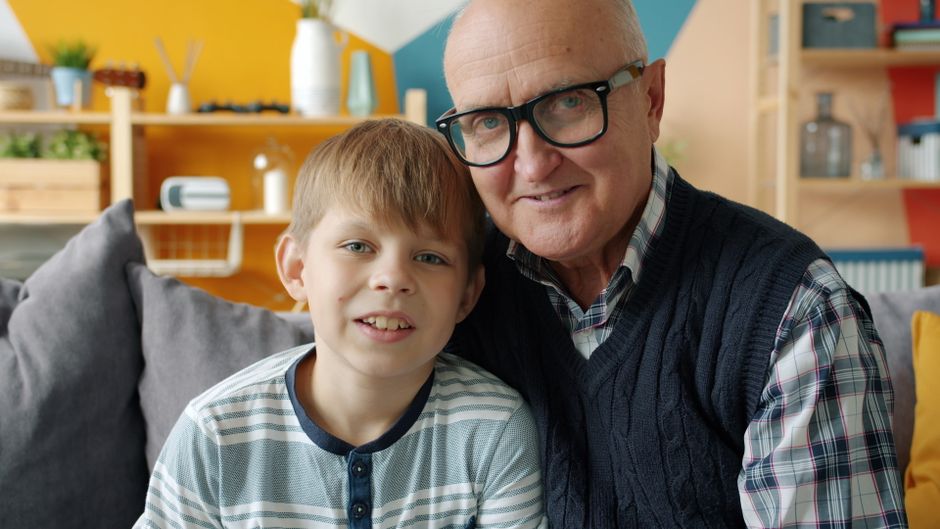
The traditional nuclear family model is undergoing a profound transformation as more families across the globe rediscover the benefits of living together under one roof. Driven by a blend of economic necessity, the desire for deeper emotional connection, and a shift in how we approach caregiving, the rise of intergenerational co-living is reshaping our residential landscapes. This movement is not merely a reaction to rising housing costs; it is an intentional return to a more human-centric way of life. By focusing on intentional design, families can create spaces that honor individual privacy while fostering the communal support that has sustained human societies for generations.
The Evolution of Modern Living

For decades, the standard suburban home was designed for a specific demographic: two parents and their children. However, as our society faces a rapidly aging population and the increasing isolation of seniors, the limitations of this model have become clear. The COVID-19 pandemic served as a significant catalyst, forcing many to re-evaluate the safety and emotional toll of nursing homes. Today, the focus has shifted toward multigenerational arrangements that allow aging family members to remain connected to their loved ones while maintaining their dignity and independence.
Research suggests that humans are evolutionarily and psychologically predisposed to live in extended family groups. Beyond the financial efficiency of sharing household expenses, the emotional and physical support inherent in these arrangements provides a buffer against the stresses of modern life. When we design multigenerational homes with intention, we are not just building structures; we are building systems of care that benefit every member of the family, from toddlers to grandparents.
Designing for Harmony: Key Architectural Strategies
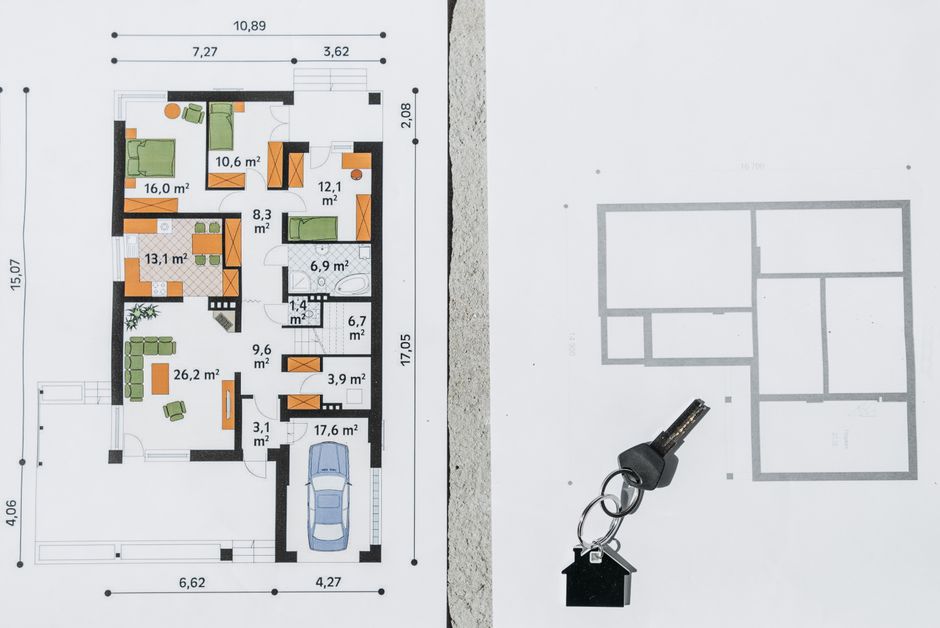
The success of a shared household rests on the balance between “togetherness” and “apartness.” When planning or remodeling, the design of the space must accommodate different schedules, noise tolerances, and activity levels. Creating a home that supports these needs requires careful consideration of flow, accessibility, and private retreats.
The Importance of Independent Zones
One of the most effective strategies in multi-generational home floor plans is the creation of distinct, self-contained zones. This is often achieved through the use of accessory dwelling units (ADUs), mother-in-law suites, or even secondary entrances. Providing each generation with a private living space—complete with a bathroom and a small kitchenette—can significantly reduce friction and ensure that everyone feels they have a place to retreat to after a long day.
Kitchens and Communal Spaces
While privacy is essential, the heart of the multigenerational experience is the shared space. Many families are now opting for multi generational house plans with 2 kitchens. One kitchen serves as the primary, high-traffic hub for family meals and gatherings, while a second, smaller kitchenette in a separate wing allows for independent meal preparation and snacks. This setup acknowledges that while families enjoy eating together, the logistics of running a household with multiple adults can be complex.
Accessibility as a Foundation
Designing for the future is a critical component of living under one roof. Incorporating universal design principles—such as wider doorways, zero-threshold showers, and smart home lighting—ensures that the home remains accessible as seniors age in place. These features are not just for the elderly; they improve the quality of life for everyone, including those recovering from injury or parents managing small children.
Overcoming Barriers to Growth
While the demand for multi generational homes for sale is rising, families often encounter institutional hurdles. Restrictive local building regulations, outdated zoning laws, and a societal stigma surrounding shared housing have historically limited the growth of this lifestyle. However, these barriers are beginning to fade as local governments recognize the benefits of higher-density, family-oriented housing. As more families advocate for flexible zoning, we are seeing an increase in multigenerational living communities that offer shared gardens, common rooms, and collaborative maintenance, further easing the burden on individual households.
Financial and Legal Considerations
Transitioning into a shared living arrangement is a major life change that requires transparency. Before breaking ground or searching for multigenerational homes near me, families should engage in open discussions about finances. This includes determining how property taxes, utilities, and major maintenance costs will be split. Legal agreements, such as written contracts or clear title arrangements, are essential to protect everyone’s interests. Treating the home as a shared enterprise rather than just a place to sleep helps set clear expectations and fosters long-term harmony.
Frequently Asked Questions
Are multi-generational homes coming back?
Yes, there is a clear resurgence in this living arrangement. Driven by the high cost of housing and a desire to provide better care for aging relatives, more families are choosing to combine households. This shift is also supported by changing cultural norms that prioritize family proximity over the isolation of the nuclear-family model.
What are the downsides of living in a multigenerational family?
The primary challenges include a loss of individual privacy, potential conflicts over household management, and the emotional toll of caregiving. Without careful planning and clear boundaries, the stress of shared living can lead to friction. Success depends on open communication and ensuring each family member has a private space to decompress.
What does the Bible say about multigenerational living?
The Bible frequently emphasizes the importance of honoring one’s parents and the blessing of children and grandchildren living in unity. Proverbs and the accounts of the patriarchs often highlight the strength of the extended family unit, depicting the home as a place where wisdom is passed down from elders to the youth, and where family members care for one another in times of need.
How much does a multigenerational home cost?
The cost varies wildly depending on whether you are building from scratch, remodeling an existing home, or buying a property with an existing suite. A custom build with multiple kitchens and private wings will be more expensive than a standard single-family home, but it is often significantly cheaper than the combined cost of two separate residences or the long-term expense of professional nursing care.
Conclusion: Building for the Future
The rise of intergenerational co-living represents a return to a more sustainable, supportive, and inherently human way of life. By embracing thoughtful design and prioritizing the emotional needs of every family member, we can create environments that thrive under the pressure of modern demands. Whether you are searching for existing multigenerational homes or planning to renovate your own, the goal remains the same: to foster deep, lasting relationships across generations. As we look toward the future, the home will continue to evolve, and the most successful designs will be those that recognize that we are simply better together.