

For decades, the transition into midlife has been shrouded in silence, treated as an inevitable decline rather than a manageable phase of life. However, a seismic shift is underway. The burgeoning sector of menopause-tech is rapidly dismantling the status quo, moving beyond superficial symptom masking to provide evidence-based, data-driven solutions for the millions of people navigating this transition. As organizations like the Cohen Foundation Menopause initiative and major consulting firms like BCG women’s health highlight, the economic and social cost of ignoring this demographic is no longer sustainable. Today, technology is bridging the gap between clinical need and patient experience, offering a new blueprint for menopause care.
The Data-Driven Revolution in Hormone Optimization

The cornerstone of the current menopause-tech boom is the transition from generalized advice to personalized, data-backed interventions. Companies like Midi Health have set a new standard by providing virtual, insurance-covered care that connects patients with clinicians specializing in midlife health. By integrating telehealth with sophisticated diagnostic tracking, these platforms ensure that MHT perimenopause management is tailored to the individual’s specific hormonal profile, lifestyle, and medical history.
Precision Diagnostics and Symptom Mapping
Modern innovation is moving toward continuous monitoring rather than static snapshots. New digital tools allow users to track vasomotor symptoms, sleep disturbances, and cognitive shifts in real-time. This granular data is vital, especially as researchers continue to uncover the impact of structural brain changes during menopause transition. By correlating subjective experiences with physiological data, platforms are enabling providers to adjust hormone delivery with unprecedented precision, minimizing side effects while maximizing therapeutic outcomes.
Five Innovations Transforming Midlife Healthcare
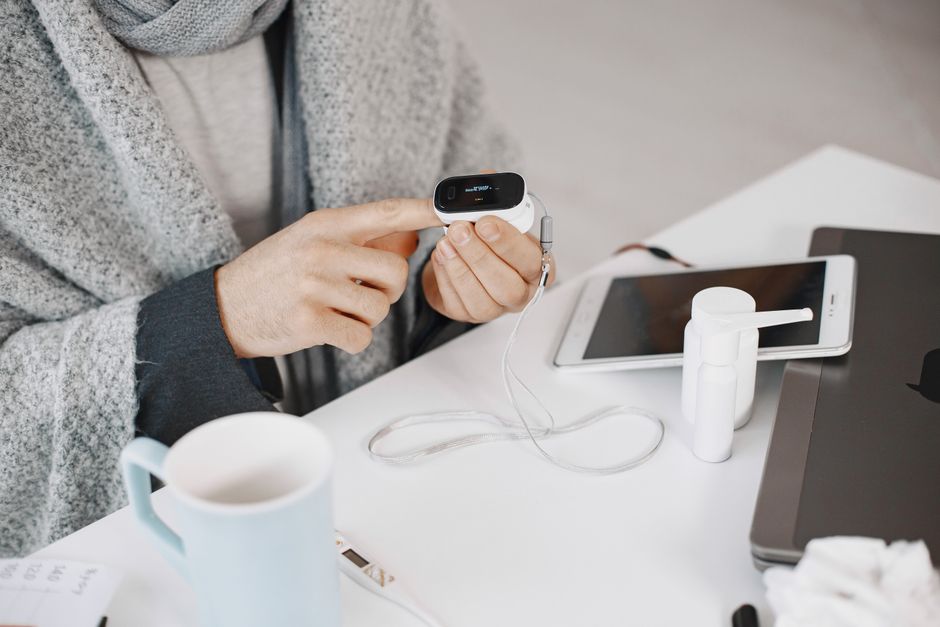
The landscape of menopause care is evolving through five distinct technological and clinical pillars that address the multifaceted nature of the transition.
1. Telehealth-Integrated Specialized Clinics
The gold standard for modern care is the virtual-first clinic. These platforms aggregate menopause-certified nurse practitioners and physicians who focus exclusively on the transition. This removes the barrier of finding a local specialist, ensuring that patients receive guidance based on the latest research—a significant improvement over the fragmented care many experienced in the past.
2. Wearable Tech for Vasomotor Symptom Tracking
Smartwatches and specialized wearables are now capable of detecting physiological changes preceding a hot flash. By analyzing skin conductance and heart rate variability, these devices can trigger cooling mechanisms or log data that helps clinicians optimize the timing and dosage of MHT, effectively turning reactive management into proactive care.
3. AI-Powered Treatment Algorithms
Artificial intelligence is being deployed to synthesize vast amounts of clinical data to predict which patients are likely to respond best to specific types of hormone therapy. These algorithms help navigate the complexities of estrogen delivery, helping providers avoid the trial-and-error approach that has historically discouraged patients from seeking help.
4. Digital Cognitive Behavioral Therapy (CBT)
Mental health is a critical component of the menopause transition. Digital therapeutics that offer structured CBT for insomnia and anxiety are now being prescribed alongside hormonal treatments. These apps provide evidence-based strategies to manage the psychological impacts of shifting hormones, offering a holistic support system that addresses both the physical and emotional facets of health.
5. Genomic and Biomarker Testing
The future of menopause care is increasingly predictive. New testing kits allow for the analysis of genetic markers that may influence how an individual metabolizes hormones or their risk profile for specific conditions. This allows for a truly personalized approach, moving away from a one-size-fits-all model to a highly customized prevention strategy.
The Regulatory and Cultural Shift
The industry is gaining momentum not just through venture capital, but through increased institutional recognition. Recent developments, such as a formal Menopause society press release outlining updated clinical guidelines, signal that the medical establishment is finally catching up to the innovation sector. This alignment between technology developers and clinical societies is crucial for legitimizing new care pathways and ensuring that insurance providers recognize the necessity of comprehensive menopause services.
Frequently Asked Questions
Is Dr. Mary Claire Haver legit?
Dr. Mary Claire Haver is a board-certified OB/GYN and a prominent advocate for menopause education. She is considered a legitimate and highly influential medical professional who has dedicated her career to addressing the gaps in midlife women’s health. Her work focuses on the intersection of nutrition and hormone therapy, and she is widely recognized for translating complex medical research into actionable advice for the public.
What does Jennifer Aniston use for menopause?
Celebrities have played a significant role in bringing menopause out of the shadows. Jennifer Aniston has publicly discussed her journey, emphasizing the importance of seeking professional medical advice rather than relying on unverified trends. While she has endorsed various wellness initiatives, she consistently advocates for individualized care and working with qualified healthcare providers to navigate symptoms, rather than promoting single “miracle” products.
What do Japanese do for menopause?
The Japanese approach to menopause often incorporates a blend of traditional and modern practices. Many individuals in Japan utilize soy-based isoflavones in their diet, which are believed to have mild estrogenic effects. Additionally, Kampo medicine—a form of traditional Japanese herbal medicine—is frequently used to manage symptoms. However, it is important to note that clinical practices in Japan are also highly medicalized, and many women seek conventional hormonal treatments from specialized clinics just as they do in the West.
What age is too late for estrogen?
The concept of a “cutoff age” for estrogen therapy is largely considered outdated by modern medical standards. The decision to initiate or continue hormone therapy is based on a risk-benefit analysis rather than a specific chronological age. While the “window of opportunity” hypothesis suggests that starting therapy closer to the onset of menopause may offer more cardiovascular benefits, many women continue hormone therapy well into their 60s and beyond, provided they are monitored regularly by a healthcare professional.
Conclusion: The Future of Midlife Wellness
The menopause-tech boom represents a fundamental shift in how we value the health and longevity of women. As the market matures, the focus is shifting from simple symptom tracking to robust, integrated care models that treat the individual as a whole. By leveraging data, technology, and clinical expertise, we are entering an era where midlife is no longer viewed as a period of inevitable decline, but as a phase that can be managed with precision and confidence. As more stakeholders, from investors to policymakers, prioritize this space, the long-standing gap in menopause care will continue to close, ensuring that every person has access to the support they need to thrive during this transformative stage of life.