
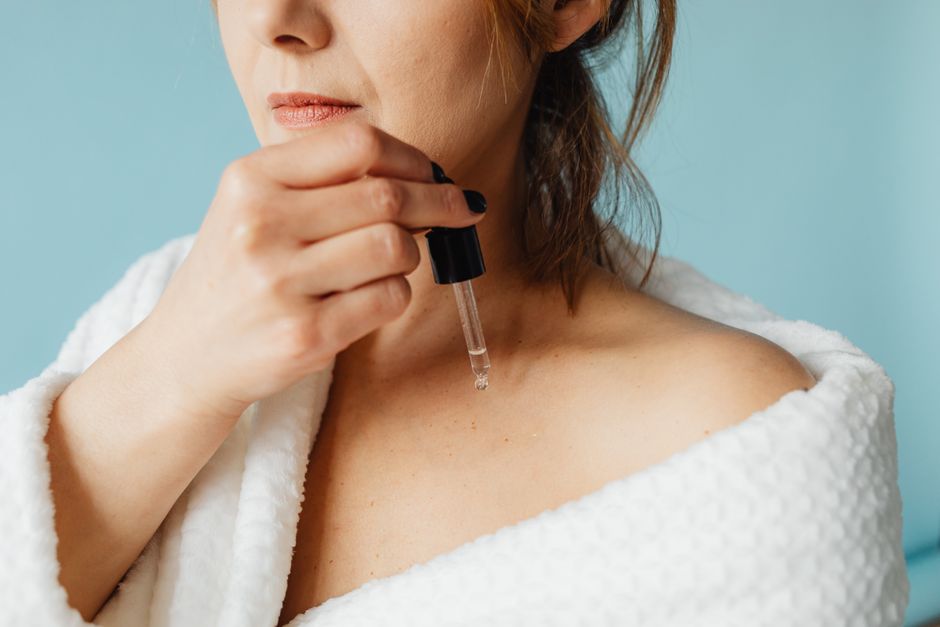
The Scientific Evolution of Beauty: The Rise of Bio-Identical Makeup
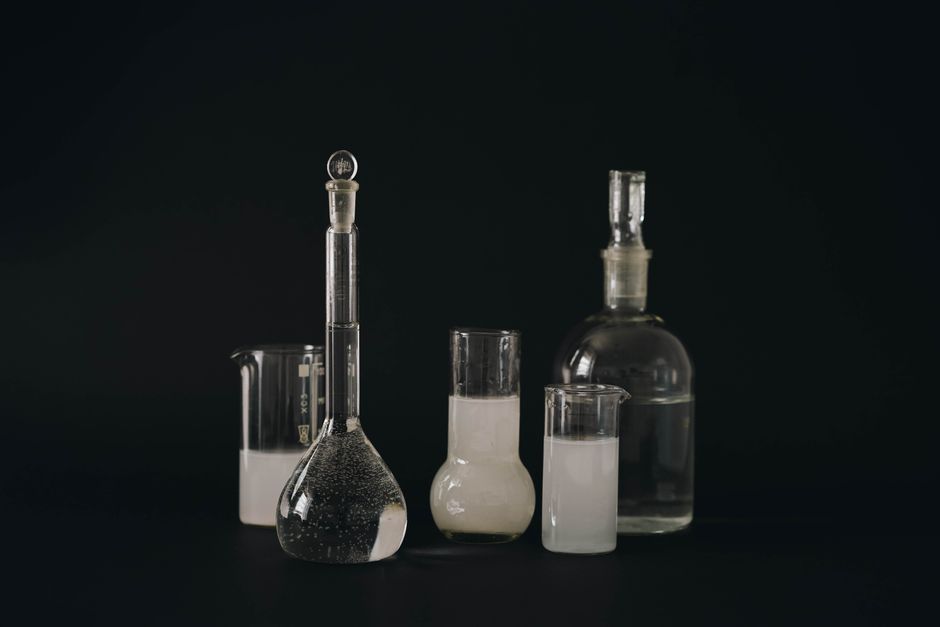
The beauty industry is currently undergoing a quiet, scientific revolution. For decades, the divide between makeup and skincare was absolute: one was designed to provide aesthetic coverage, while the other was formulated to improve the health of the skin. Today, that boundary is dissolving. The rise of bio-identical makeup represents a paradigm shift where pigment is no longer just a colorant, but an active component of skin health. By leveraging precision fermentation and cellular agriculture, innovators are creating lab-grown pigments that offer superior safety profiles while actively supporting the skin barrier.
The Science of Bio-Identical Pigments
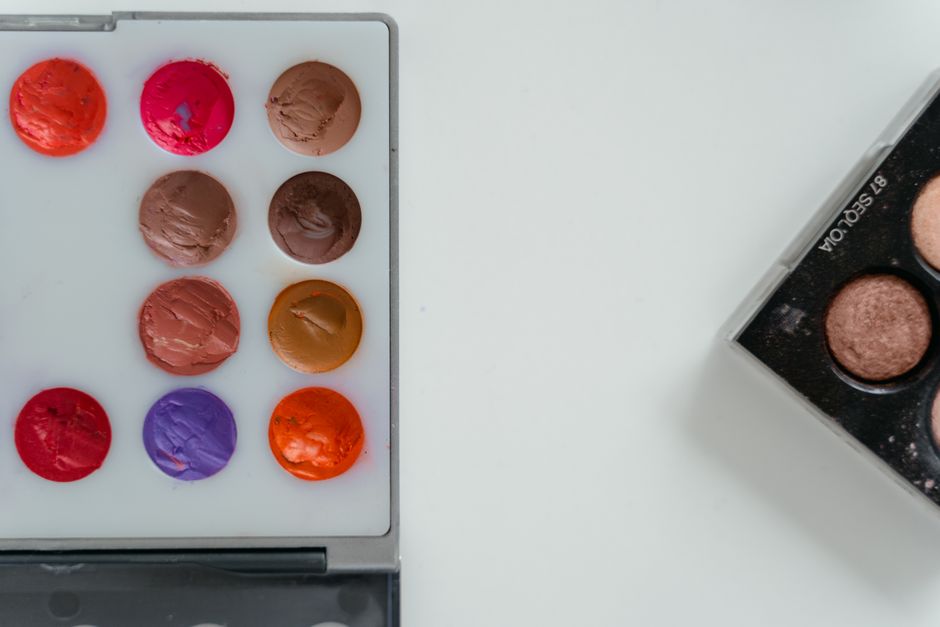
Traditional makeup often relies on earth-mined minerals such as mica, iron oxides, and titanium dioxide. While effective, these raw materials are subject to environmental degradation and can carry inherent risks, including contamination with heavy metals like lead, arsenic, or mercury. In contrast, bio-identical pigments are synthesized in controlled environments, allowing for a level of purity that nature simply cannot guarantee.
Precision Fermentation and Purity
Leading labs are now turning to precision fermentation to produce high-performance colorants. By using microorganisms like yeast or bacteria as micro-factories, scientists can program these cells to produce specific molecules that are chemically identical to those found in nature but grown in a sterile, lab-controlled setting. This process eliminates the biological variability of mined ores and ensures that every batch of pigment is free from toxic trace elements. For consumers, this means a product that is not only consistent in color and texture but significantly safer for sensitive or compromised skin.
Moving Beyond Botanical Claims
The clean beauty movement is experiencing a significant evolution. For years, “natural” and “botanical” were the gold standards for safety. However, the industry is now recognizing that “natural” does not always equate to “safe” or “sustainable.” Lab-grown ingredients are paving the way for a new era of sustainability by reducing the need for destructive mining practices and minimizing the carbon footprint associated with global ingredient shipping.
Skin-Barrier Repair: The New Foundation
The most significant advancement in this space is the integration of skin-barrier repair technology directly into makeup. The skin barrier is a living interface that protects the body from environmental stressors; when it is compromised, it leads to inflammation, dryness, and premature aging. Modern cosmetic manufacturers are now infusing foundation, concealer, and even lip color with biomimetic lipids and ceramides.
Biomimetic Lipids and Growth Factors
Top-tier cosmetic manufacturers are increasingly utilizing lab-cultured growth factors and complex lipid structures that mimic the skin’s own composition. These ingredients do not just sit on the surface; they act as a “second skin.” By reinforcing the lipid bilayer, these products prevent trans-epidermal water loss (TEWL) and shield the skin from pollutants. This transition bridges the gap between clinical-grade skincare and high-performance makeup, ensuring that the time spent wearing cosmetics is also time spent treating the skin.
Comparative Analysis: Traditional vs. Bio-Identical Pigments
| Feature | Traditional Mined Pigments | Bio-Identical Lab-Grown Pigments |
|---|---|---|
| Purity | Variable, potential heavy metal risk | High, consistent, controlled |
| Sourcing | Mining and extraction | Precision fermentation |
| Environmental Impact | High (Habitat destruction) | Low (Reduced resource usage) |
| Skin Compatibility | Can be irritating | Biomimetic and highly compatible |
Frequently Asked Questions
What is the most popular skincare category globally?
While there is no single “number one” product, industry data consistently shows that high-performance, science-backed serums containing hyaluronic acid, vitamin C, and retinol are the most sought-after. Brands that prioritize clinical transparency and barrier-repair efficacy currently command the highest consumer loyalty.
What are the top cosmetic trends for 2026?
The 2026 forecast points toward Biotech Beauty and Hyper-Personalization. We expect to see more makeup products that adapt to the wearer’s skin pH, microbiome-friendly color cosmetics, and a continued surge in lab-grown ingredients that replace unsustainable botanical or mineral sources.
How can consumers identify microplastic-free makeup?
As regulations tighten, consumers should look for “plastic-free” certifications and brands that utilize bio-based alternatives, such as fermented cellulose or natural starches. Many independent labs are now auditing their supply chains specifically to certify products as microplastic-free.
What is driving growth in the beauty industry?
Foundation and complexion products remain the highest-selling categories globally. However, the “skincare-infused makeup” segment is currently seeing the fastest growth. Consumers are increasingly demanding hybrid products that provide SPF, hydration, and active treatment alongside aesthetic pigment.
Conclusion
The rise of bio-identical makeup is a testament to the power of scientific innovation. By moving away from earth-mined materials and toward precision-engineered, lab-grown ingredients, the industry is creating safer, more effective products for the skin barrier while establishing a more sustainable future. We are entering an era where beauty is not merely applied, but cultivated—a change that benefits the consumer, the skin, and the planet alike.