
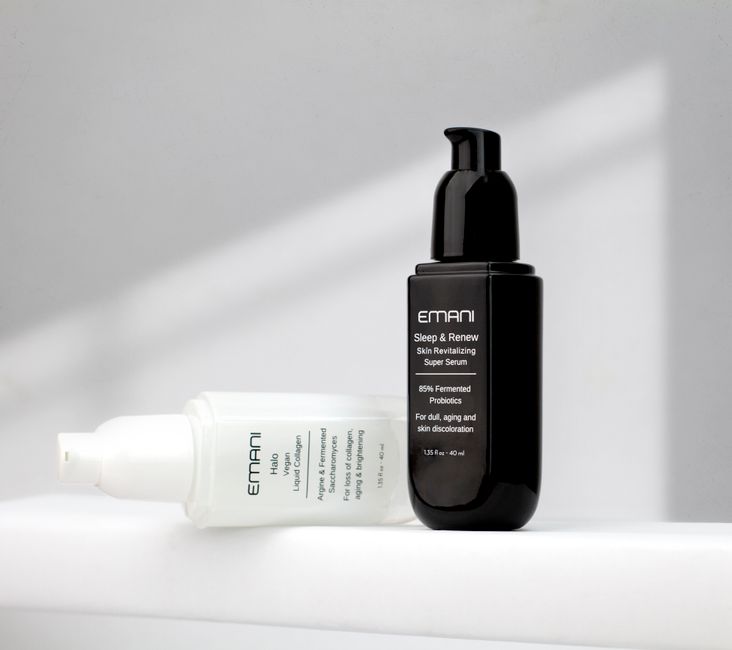
The beauty industry is undergoing a profound transformation, moving away from the era of aggressive exfoliation and sterile, high-alcohol formulations toward a philosophy rooted in biological harmony. At the heart of this evolution is the human microbiome—the complex ecosystem of bacteria, fungi, and viruses that reside on the surface of our skin. Rather than viewing bacteria as an enemy to be eradicated, modern skincare is embracing the power of the microbiome to foster resilience, radiance, and long-term health. Probiotic skincare has emerged as the leading edge of this movement, offering a science-backed approach to beauty that treats the skin as a living, breathing ecosystem.
Understanding the Microbiome and Probiotic Skincare

Your skin is not just a barrier; it is a bustling city of microorganisms. A balanced microbiome acts as your first line of defense against environmental aggressors, including pollution, UV rays, and the increasingly common stressors of digital blue light. When this delicate balance is disrupted—often by harsh cleansers, over-washing, or environmental toxins—the skin barrier weakens, leading to inflammation, dryness, and breakouts.
Probiotic skincare is designed to restore this balance. It is important to distinguish between the three main pillars of this category: probiotics, prebiotics, and postbiotics. Probiotics are the live, beneficial bacteria themselves. Prebiotics serve as the “food” that nourishes these good bacteria, helping them thrive. Postbiotics are the metabolic byproducts produced by probiotics, such as enzymes, peptides, and organic acids, which provide direct benefits to the skin barrier. Together, these components work to maintain a diverse, healthy microbial population, which is essential for achieving the elusive, healthy glow that defines modern beauty standards.
Why Topical Probiotics for Skin are Trending
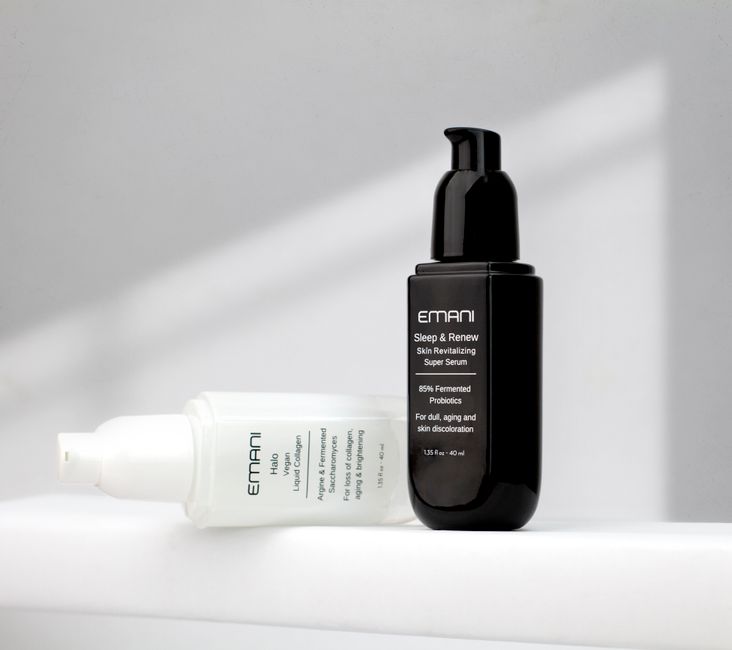
The rise of microbiome-friendly beauty is not merely a marketing trend; it is a response to changing lifestyle factors. The phenomenon of maskne, caused by trapped moisture and friction, alongside the cumulative stress of urban living, has left many individuals with sensitized, reactive skin. Consumers are no longer seeking quick fixes that strip the skin; they are looking for restorative solutions.
Topical probiotics for the face offer a sophisticated way to manage skin health. By reinforcing the acid mantle, these products help the skin retain moisture and protect itself from pathogenic bacteria. Furthermore, the interest in this category is bolstered by the growing awareness of the gut-skin axis. Many skincare enthusiasts are now looking for the best probiotics for skin and gut health simultaneously, understanding that a healthy internal environment is reflected in the clarity and texture of the skin.
Addressing Skin Conditions with Microbiome Science
One of the most promising aspects of microbiome-focused beauty is its potential to assist in managing chronic skin concerns. Research indicates that the microbial diversity of the skin is often significantly lower in individuals suffering from conditions such as acne, eczema, and rosacea. By utilizing microbiome-friendly formulas, users may be able to recalibrate their skin’s environment.
For those struggling with topical probiotics for skin eczema, the goal is to calm inflammation and restore the integrity of the barrier. By introducing soothing prebiotics and postbiotics, these products help reduce the colonization of harmful bacteria that often exacerbate flare-ups. While these products should not replace prescribed medical treatments, they serve as excellent supportive care for strengthening the skin’s natural resilience.
Curating Your Microbiome-Friendly Vanity
Navigating the market for microbiome-supporting products can be overwhelming. When selecting the best probiotic skin care products, look for transparency in ingredient lists. Opt for brands that prioritize pH-balanced formulas and avoid harsh preservatives that might unintentionally kill off your beneficial flora.
| Product Category | Focus Area | Key Microbiome Benefit |
|---|---|---|
| Hydrating Mists | Barrier Support | Provides instant prebiotic nourishment. |
| Gel Moisturizers | Daily Maintenance | Locks in moisture while soothing inflammation. |
| Eye Balms | Delicate Skin | Targets fine lines with probiotic-infused rosehip. |
| Scalp Serums | Microbiome Balance | Regulates scalp flora to prevent irritation. |
For a well-rounded routine, consider incorporating a probiotic-rich serum or moisturizer. For example, a probiotic skincare rosehip eye balm can be an excellent addition for those looking to nourish the thin, sensitive skin around the eyes without disrupting its natural protective layer. Additionally, incorporating prebiotic scalp treatments ensures that your microbiome care extends beyond just the face.
Frequently Asked Questions
Does probiotic skincare actually work?
Yes, research supports the efficacy of topical probiotics, prebiotics, and postbiotics in improving skin barrier function. By fostering a diverse microbial population, these products help the skin defend itself against environmental stressors, improve hydration levels, and soothe inflammation, which contributes to a healthier, more radiant complexion.
What are the reasons for increasing the popularity of probiotic products?
The surge in popularity is driven by a shift toward holistic wellness. Modern concerns like maskne, sensitivity from over-exfoliation, and a deeper understanding of the gut-skin axis have led consumers to seek “gentle but effective” solutions. People are moving away from harsh chemicals and toward ingredients that work in synergy with the body’s natural biology.
Which skincare brands are microbiome friendly?
Many innovative brands are now focusing on the microbiome. Companies like Gallinée, Biossance, and Drunk Elephant have gained significant traction by incorporating fermented ingredients, prebiotics, and postbiotics into their formulations. When shopping, look for certifications or labels that explicitly mention “microbiome-friendly” or “pH-balanced.”
What are the best probiotic skincare products?
The “best” product depends on your specific skin type, but highly regarded options include the Squalane + Probiotic Gel Moisturizer by Biossance for its calming properties, and Drunk Elephant’s Sweet Biome Fermented Sake Hydrating Spray for an easy, daily barrier boost. For those looking to support their skin from within, combining these with prebiotic and probiotic supplements from brands like The Nue Co. is often recommended by experts.
Conclusion
Probiotic skincare represents a fundamental shift in how we perceive and treat our skin. By embracing the microbiome, we are moving toward a more sustainable and biological approach to beauty that prioritizes the health of the skin barrier over temporary aesthetic fixes. Whether you are looking to soothe chronic conditions like eczema or simply want to maintain a glowing, resilient complexion, integrating microbiome-friendly products into your routine is a scientifically sound choice. As research continues to evolve, our ability to nurture our skin’s natural ecosystem will only improve, proving that the future of beauty lies in working with—not against—the microscopic life that calls our skin home.