

For Generation Z, the digital landscape is not merely a tool; it is a primary environment for socialization, identity formation, and information gathering. As the first true digital natives, this cohort navigates a complex ecosystem where social media, AI-driven algorithms, and constant connectivity define the boundaries of daily life. However, this immersion comes with significant challenges. Understanding the nuances of digital literacy for Gen Z: navigating social media healthily has become a vital survival skill in an era where misinformation, algorithmic bias, and mental health struggles are increasingly intertwined. By developing a sophisticated approach to information sensibility, Gen Z can transform their online experiences from sources of anxiety into spaces of empowerment and authentic connection.
The Complex Relationship Between Gen Z and the Digital World
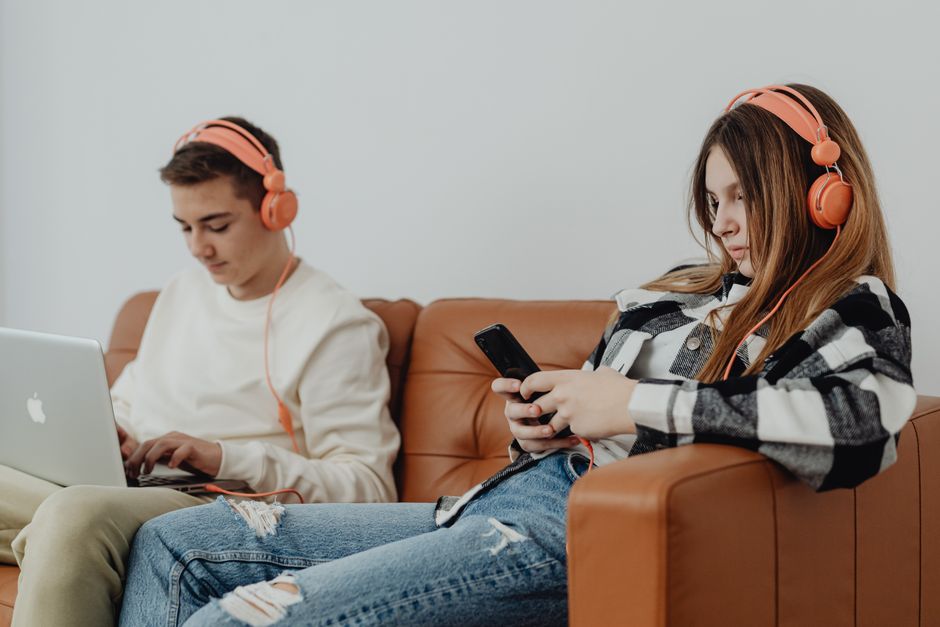
The impact of social media on Gen Z speech and behavior is profound. Research indicates that many young people feel disconnected from mainstream media, which they often perceive as aggressive, unrelatable, or tonally misaligned with their values. Consequently, Gen Z social media usage statistics reflect a shift toward algorithmically-tailored content. By curating their feeds, users are not just seeking entertainment; they are engaging in emotional management. This practice of manually adjusting algorithms to favor “light-hearted” or personally relevant content is a defensive strategy intended to protect their well-being from the overwhelming noise of global news cycles and polarized discourse.
Despite these protective measures, the inherent architecture of social media poses risks. The Gen Z mental health: the impact of tech and social media study reveals that even brief interactions with certain topics can trigger AI-driven recommendation engines to narrow a user’s worldview. This creates echo chambers where preconceived beliefs are reinforced to an extreme degree. Navigating these digital spaces requires more than just technical proficiency; it requires a deep, contextual understanding of how information is curated, why it is presented in specific ways, and how it influences our internal emotional state.
Understanding Information Sensibility

Digital literacy in 2022 and beyond is not limited to identifying fake news; it is about developing “information sensibility.” This involves recognizing that the content we consume—whether text, image, video, or audio—is produced within a specific social context. When Gen Z engages with information, they are often looking for the social apparatus that accompanies it: the comment sections, the community discussions, and the shared meanings that allow them to gauge the significance of a post. This socialized search behavior is a double-edged sword. While it provides community and context, it also makes users vulnerable to misinformation if they do not critically evaluate the bias of their chosen online communities.
The Trap of Algorithmic Polarization
Algorithms are designed to maximize engagement, which often means prioritizing sensationalism and polarizing content. For a generation in a malleable phase of identity development, this can be detrimental. When an algorithm detects a slight interest in a topic, it may systematically feed the user increasingly extreme versions of that content. Recognizing this pattern is a fundamental aspect of digital literacy. To navigate social media healthily, users must actively question why a specific video or post appeared on their feed and whether it is intended to inform or merely to elicit an emotional reaction.
The Role of Media Literacy in Mental Health
The negative effects of social media on Gen Z are well-documented, particularly regarding body image and self-esteem. However, research into media literacy shows that these effects are not inevitable. When young women, for instance, are educated on the reality of filtered and edited imagery, they are significantly less likely to develop body image inferiority complexes. This proves that digital literacy is a powerful tool for health. By demystifying the “perfect” lives presented on screen, users can detach their self-worth from the performative nature of social media, viewing these platforms as a curated brand rather than a reflection of reality.
Actionable Strategies for Digital Wellness
To foster a healthier relationship with technology, digital literacy initiatives must move away from fear-based education—which often focuses solely on cyberbullying—toward a more holistic, integrated approach. Education should be embedded into existing curricula, such as analyzing political bias in history class or exploring the ethical implications of AI in computer science.
- Mindful Consumption: Actively notice how specific platforms or types of content affect your mood. If a specific feed makes you feel anxious or inferior, it is time to audit who you follow or how you interact with the algorithm.
- Prioritize Privacy: Digital health includes protecting your personal data. Learn to recognize “clickbait” and be cautious about the information you share, as data collection is often the fuel for the AI that shapes your experience.
- Cross-Platform Skepticism: Do not rely on a single social media platform for your understanding of the world. Verify information across multiple, diverse sources to avoid falling into a personalized echo chamber.
- Transparency with AI: As generative AI becomes integrated into daily tools, maintain a healthy skepticism regarding its output. Understand that AI can perpetuate stereotypes and biases, and always verify claims that seem too sensational or perfectly aligned with your existing views.
Frequently Asked Questions
Why does Gen Z prefer social media over mainstream news?
Many Gen Z users find mainstream media to be overly aggressive or unrelatable. Social media allows them to find content that “speaks their language” and offers a social context—such as comment sections or creator commentary—that helps them interpret the news in a way that feels personally relevant and manageable.
How can I tell if my social media feed is becoming an echo chamber?
If every post you see confirms your existing beliefs without offering counter-arguments or diverse perspectives, you are likely in an echo chamber. To break this, try following creators with different viewpoints or occasionally searching for topics from a neutral, fact-based source to see how the algorithm reacts.
Is it possible to use social media without it affecting my mental health?
While social media has inherent risks, it is possible to use it healthily by setting strict boundaries. This includes taking regular breaks, muting accounts that trigger negative emotions, and being mindful of the fact that most content is a carefully curated “brand” rather than a raw, authentic representation of life.
What is the best way to teach digital literacy to youth?
The most effective approach is to integrate digital literacy into daily academic and social life rather than treating it as a separate, one-off lesson. By discussing the bias in a social media post during a history lesson or examining an algorithm in a math or science class, students learn to apply critical thinking to the digital world in a way that feels natural and relevant.
Conclusion
Navigating the digital world in the current era requires a shift in perspective. Instead of viewing social media as a passive space to be consumed, Gen Z must embrace their role as active, critical participants in their digital environment. By practicing information sensibility, remaining aware of the manipulative nature of algorithms, and prioritizing their own mental health over the pursuit of engagement, young people can reclaim their digital experience. Digital literacy for Gen Z is more than just learning to use technology; it is about learning [how to](https://t10family.com/en/how-to-build-resilience-in-children-a-guide-for-parents/) maintain one’s humanity, curiosity, and well-being in a world that is increasingly mediated by screens. Through conscious, intentional engagement, the next generation can shape a digital future that is not only more informed but also more balanced and authentic.