
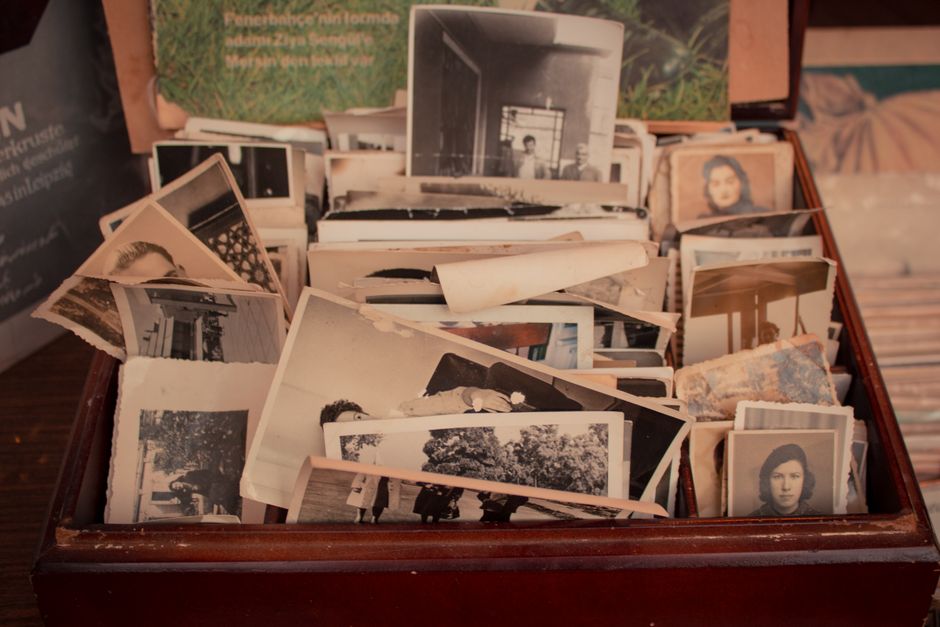
In an era where our lives are documented in high definition but trapped behind glass screens, a quiet revolution is taking place in family living rooms across the globe. We have spent the last two decades amassing thousands of cloud-stored images, yet we often find ourselves unable to locate that one specific photo of a grandparent or a cherished childhood milestone. The “Digital Heirloom” movement is a direct response to this digital overload. It represents a shift away from passive data hoarding toward the intentional, active creation of tangible keepsakes. By bridging the gap between advanced artificial intelligence and the timeless tradition of scrapbooking, families are reclaiming their history, ensuring that their stories survive not just as bits and bytes, but as physical treasures that can be passed down through generations.
The Risk of the Digital Dark Age
The primary catalyst for this movement is the growing concern over the “Digital Dark Age.” While cloud storage feels permanent, it is inherently fragile. Proprietary platforms change their terms of service, file formats become obsolete, and subscriptions lapse, potentially rendering years of family history inaccessible overnight. Furthermore, the rise of large-scale AI models has sparked legitimate concerns regarding data sovereignty. Many families are uncomfortable knowing their private, intimate memories are being ingested into centralized databases for machine learning training. By transitioning from purely digital archives to offline, physical formats, families can ensure that their history remains private, under their own control, and immune to the whims of tech conglomerates.
Leveraging AI for Purposeful Curation
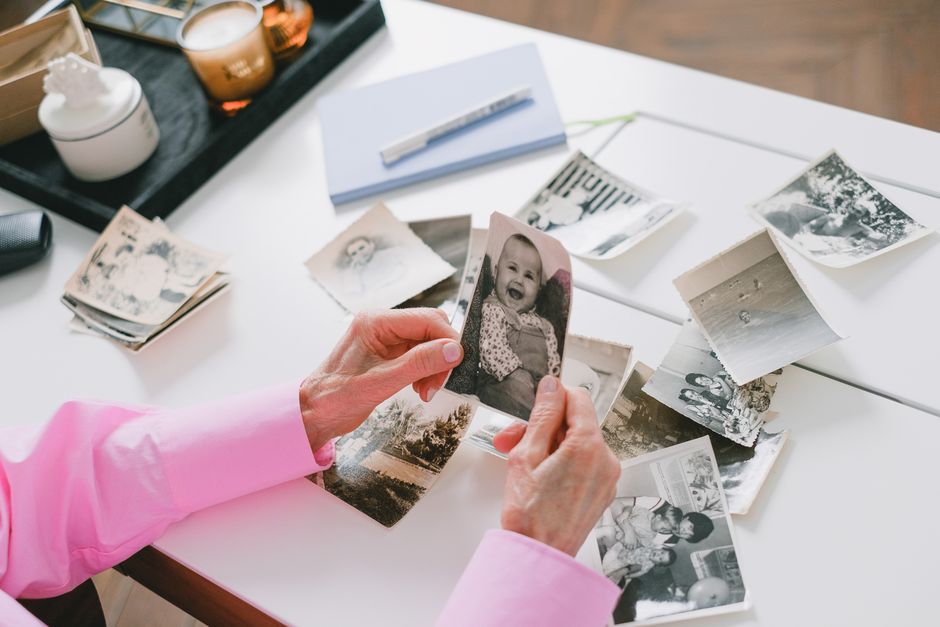
While the goal is a physical object, the process of getting there has been revolutionized by modern technology. AI tools serve as an incredible assistant in the early stages of the project. Instead of spending weeks manually sorting through a decade of messy photo folders, users can employ AI-driven software to perform facial recognition, sort images by date, and even auto-tag locations. This allows families to focus their energy on the creative act of scrapbooking rather than the tedious labor of digital organization.
Restoration and Enhancement
AI is particularly powerful when it comes to legacy media. Many of us have aging physical prints that are fading, or low-resolution scans of home videos that are difficult to watch. Modern AI restoration tools can now sharpen blurry faces, colorize black-and-white images, and stabilize shaky footage. By performing these enhancements before moving the media into a physical format, you are ensuring that the final heirloom is of the highest possible quality, effectively future-proofing your family’s visual legacy.
The Phygital Approach: Combining Tech with Tradition
The most effective family archives today are “phygital”—a hybrid of physical and digital assets. This approach treats the physical scrapbook as the primary vessel for the story, while using technology to add layers of depth that a paper page alone cannot provide. This is the modern way of using digital scrapbooks to create something that feels both classic and forward-thinking.
Integrating QR Codes and Interactive Elements
One of the most innovative ways to enhance a scrapbook is the integration of QR codes. By printing a small, unobtrusive code on a page, you can link the reader to a private, secure server containing the original high-definition video, a voice memo from the person pictured, or even a link to a family tree. This allows a single page to hold not just a static image, but the sound of a loved one’s voice or the context of a specific event, effectively turning a static page into a multimedia experience.
Archival-Grade Materials
When creating an heirloom, the physical quality of the materials matters. The goal is for these books to last for fifty to one hundred years. It is essential to use acid-free, lignin-free paper, archival-grade adhesives, and pigment-based inks that resist fading. Whether you are creating a custom-printed photobook through a professional service or manually assembling a scrapbook, prioritizing material quality is the difference between a temporary album and a true family treasure.
Step-by-Step Strategy for Your Family Archive
Building a family archive can feel overwhelming, but it becomes manageable when treated as a series of small, intentional steps. The following table outlines a recommended workflow for those looking to start their own project.
| Phase | Action | Tools/Methods |
|---|---|---|
| Curation | Identify your core “family stories” rather than every single photo. | AI-sorting tools, metadata filtering. |
| Preparation | Enhance and restore legacy media to archival standards. | AI restoration software, photo scanning apps. |
| Construction | Design layouts that balance imagery with written narrative. | Digital design software, physical scrapbooking tools. |
| Enhancement | Add interactive digital layers to physical pages. | Custom QR code generators, private cloud links. |
| Preservation | House the final product in a climate-controlled environment. | Acid-free boxes, archival-grade binding. |
Frequently Asked Questions
Why not just keep everything on a hard drive?
Hard drives are mechanical and prone to failure, and file formats evolve constantly. A physical book requires no electricity, no software updates, and no specific hardware to access. It is the only medium that is truly “future-proof” against technological change.
How do I handle the privacy concerns of storing photos online?
When using AI tools for organization, look for software that offers “local processing” or “offline mode.” This ensures that your photos are processed on your computer rather than being uploaded to a cloud server. Once your project is complete, you can delete the digital cache and store the physical book in a secure location.
Is scrapbooking still relevant for younger generations?
Absolutely. Younger generations are increasingly experiencing “screen fatigue.” There is a high value placed on tactile, analog experiences. By incorporating digital elements like QR codes, you make the scrapbook accessible to tech-savvy teenagers while maintaining the emotional weight of a physical object.
What if I am not a creative person?
You do not need to be a designer to preserve your history. Many modern services allow you to upload your organized digital files and have them printed in high-quality, professionally bound books. The “creativity” lies in the curation and the storytelling—the act of choosing which memories matter most.
Conclusion
The movement toward building physical, digital-enhanced heirloom collections is more than just a hobby; it is an act of preservation in an era of transience. By taking the time to curate our digital lives and transition them into tangible scrapbooks, we are doing more than just saving photos—we are creating a sensory connection to our past. We are providing our children and grandchildren with something they can hold, touch, and pass down, ensuring that our family stories remain vibrant, private, and permanent. In the end, the most sophisticated technology we have is the one that allows us to hold our history in our hands, safe from the volatility of the digital world.