
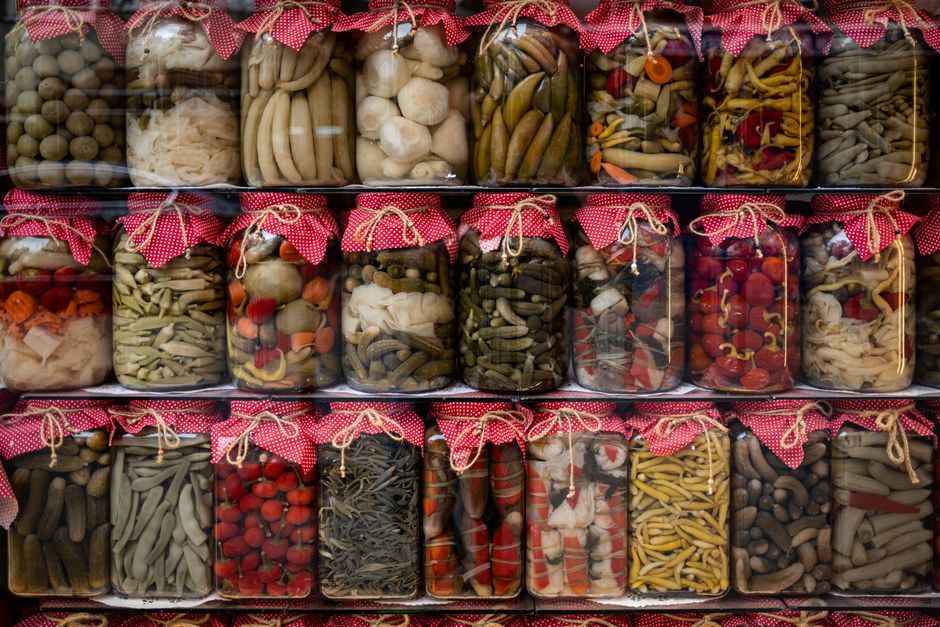
In the modern culinary landscape, there is a quiet revolution taking place in kitchens across the globe. What was once a survival necessity practiced by our ancestors—the preservation of harvests through the transformative power of microbes—has re-emerged as a sophisticated, creative pursuit. Fermentation is no longer just a method of extending shelf life; it is an art form. By harnessing the activity of beneficial bacteria, home cooks are discovering that they can elevate simple, raw ingredients into complex, probiotic-rich foods that nourish the gut and delight the palate. This transition from processed convenience back to traditional, slow-food techniques represents a new wave of culinary consciousness, where the kitchen becomes a laboratory for flavor and health.
The Science and Soul of Fermentation
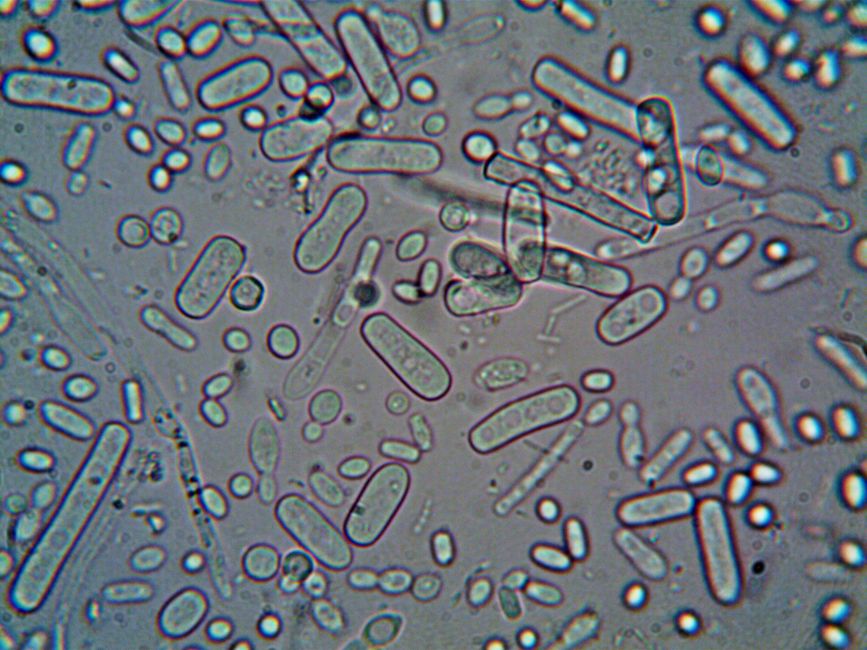
At its core, fermentation is a metabolic process that converts sugars and starches into acids or alcohol using microorganisms like bacteria, yeasts, or molds. When we talk about fermented foods in a culinary context, we are usually referring to lacto-fermentation. This is the process where lactic acid bacteria, naturally present on the surface of vegetables, convert carbohydrates into lactic acid. This byproduct not only acts as a natural preservative, preventing the growth of harmful pathogens, but it also creates the signature tangy, crisp flavor profile associated with high-quality ferments.
Beyond the chemistry, there is a distinct artistry to this practice. It requires patience, observation, and an understanding of the environment. Unlike baking or roasting, where heat provides a predictable result, fermentation is a living process. It responds to the temperature of your home, the salinity of your brine, and the quality of your produce. Embracing this unpredictability is what makes it an art; each batch of sauerkraut or kimchi is a unique snapshot of the season and the specific micro-flora of your kitchen.
Essential Tools for the Modern Fermenter
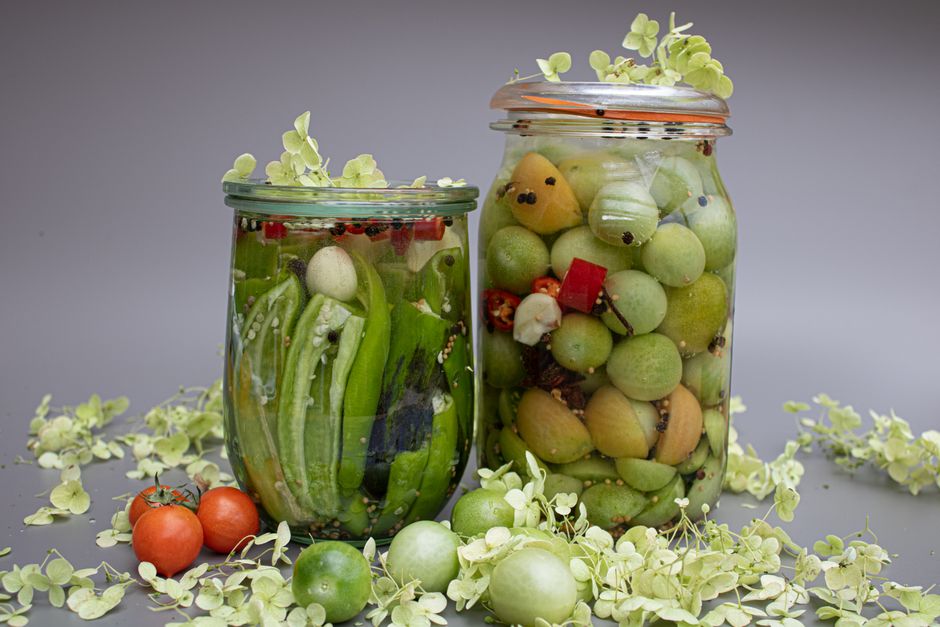
One of the most appealing aspects of starting this journey is that you do not need expensive equipment. You can begin with a few items already found in most kitchens. However, as you advance, a few specialized tools can make your process more consistent and safer.
- Glass Vessels: Wide-mouth mason jars are the gold standard. They are easy to clean, non-reactive, and allow you to monitor the fermentation process visually.
- Weights: Keeping your vegetables submerged beneath the brine is the most critical rule of fermentation. Glass fermentation weights or even a small, clean cabbage leaf topped with a smaller jar can keep your produce anaerobic.
- Airlock Lids: While a simple cloth cover works for some, airlock lids allow carbon dioxide to escape without letting oxygen in, significantly reducing the risk of mold and kahm yeast.
- Sea Salt: Always use non-iodized salt. Iodine can inhibit the growth of the beneficial bacteria you are trying to cultivate.
A Practical Guide to Making Kimchi
Kimchi stands as the pinnacle of fermentation for many home cooks. It is a vibrant, spicy, and deeply complex dish that serves as a perfect entry point for those looking to master the craft. The following guide outlines the essential steps to creating a successful batch of traditional Napa cabbage kimchi.
Preparation and Salting
The process begins with salting the cabbage. This step is vital because it draws out moisture and creates the ideal environment for lactobacillus bacteria to thrive. You will need to coat the leaves thoroughly with sea salt and allow them to rest for at least two hours. After the cabbage has wilted, rinse it multiple times to remove excess salt, ensuring the final product isn’t overly briny.
The Flavor Paste
The magic of kimchi lies in its paste. A blend of garlic, ginger, fish sauce (or a vegan alternative like soy sauce), and gochugaru (Korean red chili flakes) creates the backbone of the flavor. Some recipes incorporate a porridge made from glutinous rice flour and water, which acts as a binder for the spices and provides a food source for the bacteria during the initial stages of fermentation.
Packing and Fermentation
Once the cabbage is massaged with the paste, it must be packed tightly into a sterilized jar. The goal is to eliminate air pockets. Leave about an inch of headspace at the top of the jar to accommodate the gases produced during the process. Store your jar in a cool, dark place. After a few days, you will notice bubbles forming—a sign that the bacteria are active. Taste your kimchi after three to five days; once it reaches your preferred level of tanginess, move it to the refrigerator to slow down the fermentation process.
Incorporating Fermented Foods Into Your Diet
The beauty of these foods is their versatility. They are not merely side dishes; they are flavor enhancers that can transform mundane meals. Consider these simple ways to integrate them into your daily eating habits:
| Food Item | Best Pairing | Culinary Benefit |
|---|---|---|
| Sauerkraut | Sausages and grain bowls | Adds a sharp, acidic contrast to fatty proteins. |
| Kimchi | Fried rice and eggs | Provides a spicy, umami-rich depth to simple grains. |
| Pickled Carrots | Salads and charcuterie | Offers a crunchy, bright texture to balance rich cheeses. |
| Fermented Salsa | Tacos and grilled meats | Enhances freshness while introducing gut-friendly probiotics. |
Common Challenges and How to Solve Them
Even experienced cooks face hurdles when working with living cultures. Most issues are easily corrected with a bit of knowledge. If you see a thin, white, powdery film on the surface of your brine, this is likely kahm yeast. It is harmless but can affect the flavor, so simply skim it off. If you encounter dark spots or fuzzy mold, however, the batch should be discarded for safety. Always trust your senses; if it smells foul or off, it is better to start again. Maintaining a clean workspace and ensuring your vegetables remain submerged in brine are the two most effective ways to prevent these issues.
Frequently Asked Questions
Is it safe to ferment foods at home?
Yes, provided you follow basic safety guidelines. The primary goal is to create an environment where beneficial bacteria outcompete harmful ones. Using enough salt, keeping the temperature stable, and ensuring the ingredients are submerged under the brine creates a safe, acidic environment that prevents spoilage.
How do I know when the fermentation is finished?
Fermentation is a continuous process. It is “finished” when it tastes the way you like it. Some people prefer a light ferment that takes three days, while others enjoy the deep, complex sourness of a batch fermented for two weeks. Once you are satisfied with the flavor, refrigerating it will significantly slow down the activity, effectively pausing the process.
Can I use any vegetable for fermentation?
Almost any vegetable can be fermented, but some are better than others. High-water content vegetables like cucumbers or cabbage are the most common. Denser root vegetables, such as carrots or beets, ferment beautifully but may require a longer time to soften. Avoid fermenting vegetables with high sugar content without a clear recipe, as they can sometimes produce unexpected results.
Conclusion
Embarking on the journey of home fermentation is a deeply rewarding endeavor that connects you to the history of food preparation while simultaneously improving your health. By incorporating these simple techniques into your kitchen routine, you are not only taking control of the ingredients in your diet but also participating in a sustainable, ancestral practice. Whether you start with a simple jar of sauerkraut or dive into the complex, aromatic world of kimchi, the art of fermentation offers a lifetime of discovery. Start with small batches, experiment with different spices, and enjoy the transformative power of the microbes that turn humble garden harvests into probiotic-rich culinary masterpieces.