
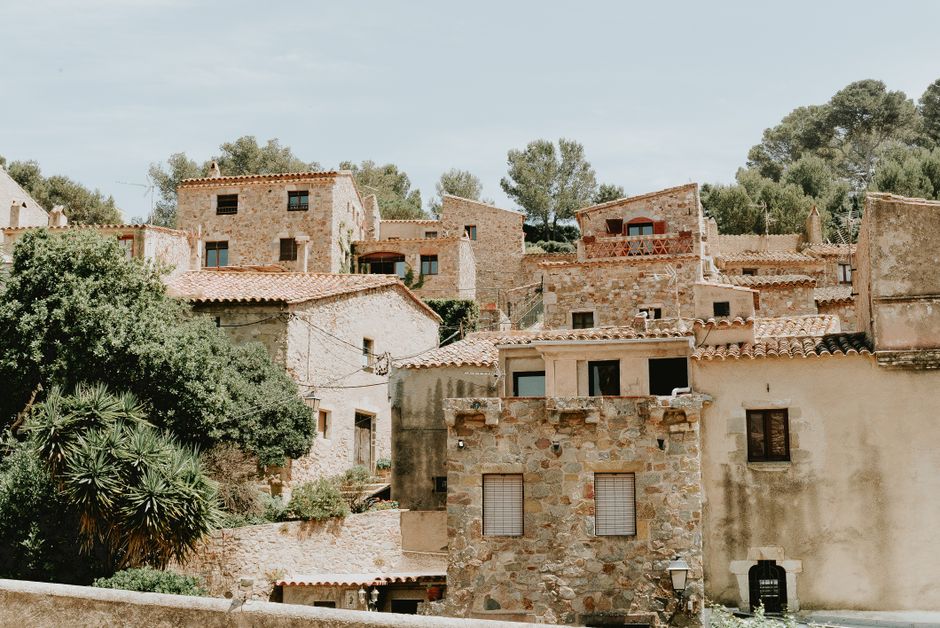
The modern architectural landscape is undergoing a profound shift. For decades, residential design focused primarily on aesthetics, square footage, and property value. Today, however, a new philosophy is emerging: the integration of blue zone principles into our private dwellings. Inspired by the regions of the world where people live the longest and healthiest lives, designers are now treating the home not just as a shelter, but as an active participant in human longevity. By crafting restorative spaces that cater to the nervous system and circadian rhythms, we are moving toward a future where our built environment serves as a foundational pillar for healthy living.
The Neuroscience of Environmental Design

Our environments exert a direct, measurable impact on our nervous systems. When we enter a space, our brains are constantly processing sensory input—textures, sounds, light levels, and air quality. Design that ignores these inputs can lead to chronic stress, while intentional design can facilitate healing. The core of blue zone design lies in understanding this biological feedback loop.
Designing for the Senses
To create a truly restorative home, every sensory detail must be curated to promote ease. Soft, tactile textures—such as natural woods, wools, and organic linens—provide grounding physical feedback that lowers cortisol levels. Auditory comfort is equally critical; by utilizing acoustic treatments to dampen harsh, artificial noise, we create a quiet sanctuary. When combined with clean, toxin-free air and subtle, nature-inspired aromas, the home transforms from a mere structure into an embodied, nurturing ecosystem.
Core Principles of Longevity-Focused Architecture

Adopting blue zones insights into the built environment requires a departure from traditional, rigid layouts. Instead, we must embrace principles that prioritize flexibility and the natural rhythm of human biology. This approach is rooted in the understanding that a home should adapt to the occupant, rather than forcing the occupant to conform to the home.
The Architecture of Light and Circadian Health
Perhaps the most significant factor in long-term health is the management of light. Human biology is tethered to the sun, yet most modern homes are filled with artificial light that disrupts our natural cycles. A healthy home design prioritizes morning sun exposure to regulate hormone production and evening wind-down cycles to facilitate deep sleep. Central to this is the active reduction of blue light exposure after dark. By utilizing smart lighting systems that shift color temperature throughout the day and physical shading that encourages natural transitions, we can protect our sleep quality, which remains one of the most vital components of the longevity equation.
Adaptability Across the Lifespan
A home that supports longevity must be capable of evolving. As inhabitants age, their physical needs change, and a space designed for a twenty-year-old may become a hindrance for an eighty-year-old. Human-centered design demands that we build for the future. This includes wider doorways, accessible layouts, and multi-functional rooms that can shift from a home office to a wellness studio or a care-ready bedroom. By ensuring that spaces are adaptable, we remove the friction often associated with aging in place, allowing the home to remain a source of autonomy rather than a source of stress.
Essential Features of the Restorative Home
In the pursuit of creating healthy, restorative living environments, certain features have moved from luxury add-ons to essential components of the floor plan. These elements are designed to encourage daily rituals that support mental and physical recovery.
| Feature | Purpose in Blue Zone Design |
|---|---|
| Wellness Kitchen | Promoting whole-food preparation and social connection. |
| Tech-Free Bedroom | Eliminating digital interference for restorative sleep. |
| Quiet Nooks | Providing dedicated areas for reflection and mindfulness. |
| Restorative Bathing Areas | Encouraging hydrotherapy and sensory relaxation. |
| Circadian Lighting | Syncing the home environment with natural light/dark cycles. |
Nature-Inspired Integration
The concept of blue spaces often extends to the incorporation of nature within the home. Whether it is through the strategic placement of windows to frame garden views, the use of indoor greenery to improve air quality, or the application of organic materials that age gracefully over time, connecting the indoors to the outdoors is a non-negotiable zone requirement. These connections serve as a constant reminder of the natural world, which has been shown to lower blood pressure and improve cognitive function.
Frequently Asked Questions
What differentiates blue zone design from standard wellness architecture?
While standard wellness architecture often focuses on singular features like air filtration or gym equipment, blue zone design is holistic. It focuses on the intersection of long-term longevity habits—such as social connection, natural movement, and stress reduction—and how the physical structure of a home can naturally nudge occupants toward these behaviors.
How can one minimize blue light exposure in an existing home?
Minimizing blue light starts with the sunset. After dark, transition to warmer, amber-toned lighting. Use dimmable smart bulbs or lamps that avoid high-intensity white light. Furthermore, reducing screen time in the hour before bed and using blue-light-blocking settings on digital devices can significantly improve the body’s natural melatonin production.
Is this design approach only for new construction?
Not at all. While blue zone principles are most easily implemented during the build phase, many restorative elements can be retrofitted. Improving indoor air quality through non-toxic finishes, optimizing natural light with better window treatments, and creating dedicated quiet zones are all achievable in existing homes.
Conclusion: The Future of Living Well
The rise of blue zone design is a necessary evolution in how we conceive of our living environments. By shifting our focus toward restorative spaces that respect our biological needs, we are not just creating houses; we are crafting environments that actively facilitate longevity. Whether through the careful management of light, the selection of tactile and non-toxic materials, or the creation of flexible, adaptable layouts, these design principles provide the tools necessary to live well at every stage of life. As we continue to prioritize human-centered design, the home will reclaim its role as the most important zone for health, recovery, and long-term vitality.