
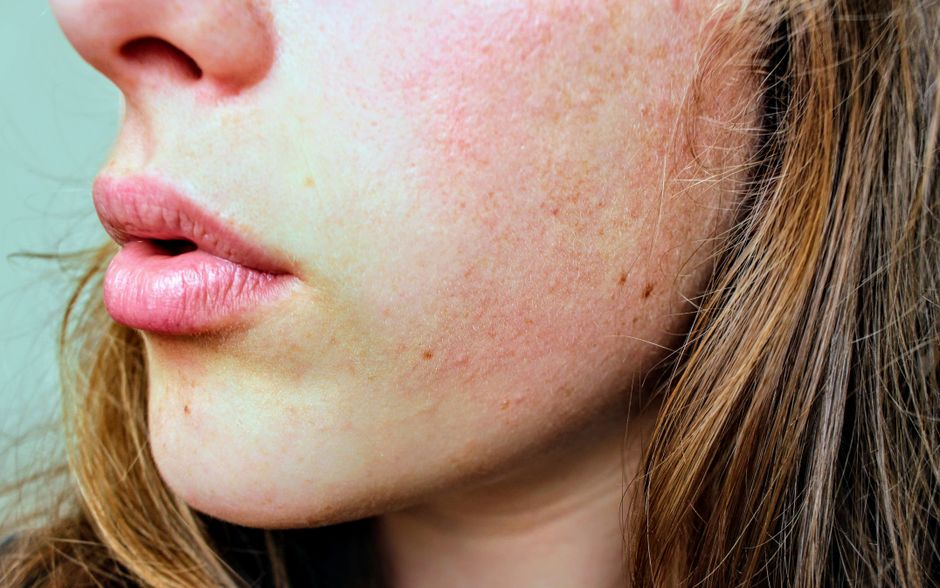
In an era where the beauty industry often encourages a “more is more” philosophy, the rise of skin cycling has arrived as a breath of fresh air. Popularized by dermatologist Dr. Whitney Bowe, this systematic approach to your evening routine has moved beyond a fleeting social media phenomenon to become a cornerstone of modern, evidence-based dermatological practice. By focusing on the health of the moisture barrier rather than the sheer volume of products applied, this minimalist approach to beauty offers a sustainable way to achieve radiant, resilient skin. Whether you are a skincare novice or a seasoned enthusiast, understanding the rhythm of your skin is the key to unlocking long-term results.
Understanding the Skin Cycling Trend: A Minimalist Approach to Beauty
The skin cycling trend, a minimalist approach to beauty that exploded on TikTok, is fundamentally rooted in the science of skin recovery. For years, the industry pushed the idea that layering potent actives—like retinoids, chemical exfoliants, and vitamin C—nightly would yield faster results. However, this often leads to a compromised moisture barrier, characterized by redness, flaking, and sensitivity. Skin cycling corrects this by introducing a strategic rotation that honors the skin’s natural repair cycle.
The core philosophy of skin cycling is to maximize the efficacy of your active ingredients while providing ample time for the skin to heal. By alternating between nights of targeted treatment and nights of intense recovery, you essentially “cycle” your products to prevent the irritation that typically comes with heavy-duty skincare. It is a methodical, low-and-slow approach that is particularly beneficial for those with sensitive skin or those looking to incorporate high-potency ingredients into their regimen without the dreaded “retinol uglies.”
The 4-Day Routine: A Strategic Breakdown
While some variations exist, the classic 4-day cycle is the gold standard for those looking to start their journey. This structure ensures that every product has a specific purpose and a designated time to shine.
Night 1: Exfoliation
The cycle begins with exfoliation. Using a chemical exfoliant—such as an AHA (alpha hydroxy acid) like glycolic acid or a BHA (beta hydroxy acid) like salicylic acid—helps remove dead skin cells from the surface. This creates a clean slate, allowing the products you use in the following nights to penetrate more effectively. After cleansing, apply your exfoliant, follow with a moisturizer, and let your skin rest.
Night 2: Retinoid
On the second night, you introduce your retinoid. Whether you use an over-the-counter retinol or a prescription-strength retinoid, this is your powerhouse night for cellular turnover and collagen production. Because you exfoliated the night before, your skin is primed to receive the benefits of the retinoid. If you are new to retinoids, apply a small amount over your moisturizer to buffer the intensity.
Nights 3 and 4: Recovery
The final two nights are the most important part of the process. During these recovery nights, you skip all harsh actives. This is the time to focus on hydration and barrier support. Reach for gentle cleansers, nourishing serums with ingredients like hyaluronic acid or ceramides, and a rich, occlusive moisturizer. This recovery period allows the skin to repair its barrier, reducing the risk of inflammation and ensuring that your skin is ready for another round of actives when the cycle repeats.
Advanced Skin Cycling and Customization
As you become more comfortable with the process, you may find yourself looking into advanced skin cycling. This involves tailoring the 4-day cycle to meet your specific skin concerns. For instance, if you have oily or acne-prone skin, you might choose a BHA-heavy exfoliant on Night 1. If you are focused on anti-aging or hyperpigmentation, you might opt for a more potent retinaldehyde on Night 2.
The beauty of this method is its adaptability. If you notice your skin feels particularly dry or tight, there is no rule stating you cannot add an extra recovery night. Skin cycling is not about rigid adherence; it is about listening to your skin. When comparing skin cycling before and after results, many users report a significant decrease in dullness and a noticeable improvement in overall texture and glow, simply because they stopped over-processing their skin.
Selecting the Right Skin Cycling Products
To succeed with this method, you do not need an entire shelf of expensive items. In fact, a minimalist approach to beauty thrives on a small, curated collection of high-quality essentials. When shopping for skin cycling products, prioritize formulas that serve a singular, clear purpose.
| Phase | Key Ingredient Categories | Goal |
|---|---|---|
| Exfoliation | AHAs (Glycolic, Lactic), BHAs (Salicylic) | Surface renewal |
| Retinoid | Retinol, Retinal, Adapalene | Cell turnover, Anti-aging |
| Recovery | Ceramides, Hyaluronic Acid, Squalane | Barrier repair, Hydration |
Look for products that are fragrance-free and formulated for sensitive skin if you are just starting out. The key is consistency over concentration. A lower percentage of retinol used consistently in a cycle will often yield better long-term results than a high-percentage product that forces you to take weeks off due to irritation.
Frequently Asked Questions
What is the skin cycling method?
The skin cycling method is a dermatologically backed skincare routine that alternates between nights of active treatments and nights of recovery. It is designed to prevent irritation by giving the skin’s moisture barrier time to heal between applications of potent ingredients like exfoliants and retinoids.
What are the steps in a 4-day skin cycling routine?
The 4-day cycle follows this sequence: Night 1 is for exfoliation to remove dead skin cells. Night 2 is for retinoids to stimulate cell turnover. Nights 3 and 4 are dedicated to recovery, focusing solely on hydration, moisture, and barrier protection to allow the skin to rest.
Is skin cycling better than using retinol every night?
For most people, yes. Using retinol every night can frequently lead to barrier damage, redness, and peeling. Skin cycling allows you to reap the benefits of retinoids while minimizing these side effects, leading to healthier, more resilient skin in the long run.
How do Koreans keep their skin so clear?
Korean skincare philosophy emphasizes hydration, sun protection, and a gentle, consistent approach. Rather than using harsh actives to “fix” issues, the focus is on maintaining a healthy moisture barrier through layering lightweight, hydrating products and never skipping SPF. Skin cycling aligns with these principles by prioritizing the health of the skin barrier above all else.
Conclusion
The skin cycling trend, a minimalist approach to beauty, represents a maturation of the skincare industry. By moving away from the chaotic layering of products and toward a strategic, cycle-based routine, we empower our skin to function at its best. Whether you are seeking to minimize the appearance of fine lines, smooth out your texture, or simply achieve a consistent, healthy glow, this method provides a roadmap to success. Remember that skincare is a marathon, not a sprint; by honoring your skin’s need for recovery, you are investing in a healthier complexion for years to come. Start your cycle, stay consistent, and let your natural radiance shine through.