

In an era defined by rapid consumption and the relentless cycle of micro-trends, the slow fashion movement has emerged as a necessary antithesis to the fast-paced nature of the modern retail landscape. While many of us lead busy, high-pressure lifestyles that often lean toward the convenience of impulsive shopping, technology is now offering a way to reclaim control over our personal style. By integrating a dedicated tech stack into your daily routine, you can transform your relationship with your wardrobe, shifting the focus from quantity to longevity. Through wardrobe digitization, data-driven insights, and gamified sustainability challenges, these digital tools are helping fashion enthusiasts move toward a more conscious and intentional way of dressing.
The Rise of Wardrobe Digitization
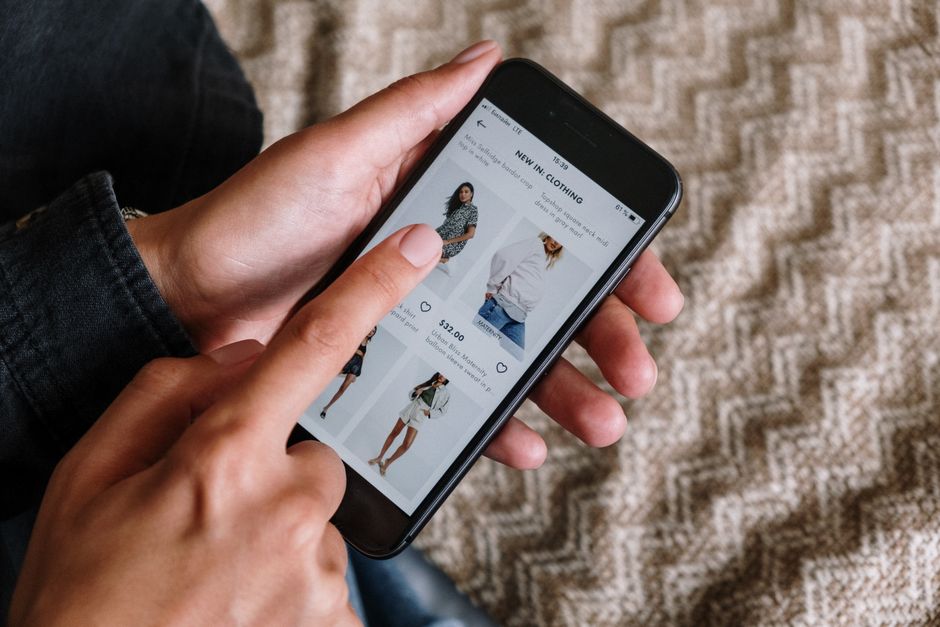
The first step toward curating a sustainable closet is knowing exactly what you already own. It is a common phenomenon to feel as though you have nothing to wear, even when your physical closet is overflowing. This is often a result of poor visibility and a lack of organization. Wardrobe digitization apps act as a personal inventory system, allowing you to photograph your garments and store them in a virtual space that is accessible from anywhere. By turning your physical collection into a digital library, you can experiment with new outfit combinations without spending a dime, effectively curbing the urge to buy new items.
Whering: The All-in-One Digital Stylist
Whering has become a cornerstone in the sustainable fashion space, functioning as a digital closet organizer that mimics the experience of online shopping—but with the items you already own. Beyond simple organization, Whering provides powerful data-driven insights that help you understand your consumption habits. Users can track their cost-per-wear, which provides a true return on investment for every garment. By monitoring your wear rate and identifying your go-to color palettes, the app helps you spot closet gaps, ensuring that if you do choose to purchase something new, it is an intentional addition rather than a reactive impulse buy.
Save Your Wardrobe: Curating for Longevity
Save Your Wardrobe focuses on the philosophy of less is more. This platform encourages users to be content with their existing collection by facilitating better maintenance and smarter styling. What sets this app apart is its integration of circular economy services. If you have a favorite pair of jeans that have seen better days or a coat with a broken zipper, the app allows you to book professional care and repair services directly to your door. By extending the lifespan of your clothing, you are directly participating in the slow fashion movement and reducing the environmental impact of your personal style.
Gamifying Sustainability and Mindful Consumption

Sustainability can often feel like a daunting or restrictive endeavor, but app developers are increasingly using gamification to make the transition to slow fashion both engaging and rewarding. By setting small, actionable challenges, these tools help users build long-term habits that prioritize the health of the planet and the longevity of their garments.
The 30 Wears Challenge
The 30 Wears app is built on a simple, powerful premise: before you buy anything, ask yourself if you will wear it at least 30 times. This challenge is designed to stop the cycle of disposable fashion by forcing a shift in perspective. The app allows users to track their daily usage, providing a visual representation of how often each piece is utilized. By turning the act of wearing your clothes into a tracked metric, the app encourages you to fall back in love with older pieces and prioritize quality over quantity in your future shopping decisions.
Data-Powered Style Insights: A New Way to Shop
For those who enjoy a more analytical approach to their wardrobe, modern fashion apps provide sophisticated tools to monitor closet health. This data-backed approach to style is no longer just for industry professionals; it is now accessible to the average consumer looking to build a more sustainable future. Whether you are searching for the best fashion apps for men or seeking inclusive platforms for all genders, the focus remains on three key metrics: closet longevity, cost-per-wear, and intake tracking.
| Feature | Benefit for the User |
|---|---|
| Cost-Per-Wear Tracking | Helps identify high-quality investments versus low-quality disposables. |
| Closet Longevity | Measures the lifespan of items to encourage responsible maintenance. |
| Intake Tracking | Logs new versus pre-loved purchases to monitor sustainable habits. |
| Repair Services | Extends the life of garments through professional restoration. |
Frequently Asked Questions
How do these apps help me save money?
These apps save you money by preventing impulse buys. When you can see your entire wardrobe in one place, you realize the versatility of the clothes you already have. By identifying gaps in your closet through data analysis, you only buy items that truly complement your existing collection, rather than purchasing pieces that will sit unworn.
Are these apps suitable for people with a minimalist style?
Absolutely. In fact, these apps are highly recommended for minimalists. By digitizing your wardrobe, you can easily maintain a capsule collection, ensuring that everything you own serves a purpose and is worn frequently. It is the ultimate tool for those who want to practice mindful consumption without sacrificing their aesthetic.
Can these apps help me transition to shopping from sustainable fashion brands?
Yes. Many of these platforms provide resources and directories to help you discover ethical and sustainable fashion brands. By analyzing your current habits and identifying what you actually need, you can make more informed, ethical choices when you do decide to invest in new pieces, often leading you toward platforms like Good On You to verify the practices of the brands you are considering.
Is the process of digitizing my closet time-consuming?
While the initial setup of photographing your items does require an investment of time, the long-term benefits are significant. Most users find that the process becomes a meditative way to audit their belongings. Once your wardrobe is digitized, the daily efficiency of planning outfits and avoiding the frustration of a cluttered closet makes the initial effort well worth it.
Conclusion
Embracing the slow fashion movement does not mean you have to stop enjoying your style; it simply means changing how you interact with your clothes. By utilizing the current wave of sustainable fashion apps, you can transform your closet from a source of stress into a curated, well-loved collection. Whether you are using Whering to analyze your cost-per-wear, participating in the 30 Wears challenge, or utilizing repair services through Save Your Wardrobe, these tools provide the structure necessary to make conscious decisions. In a world of fast-paced trends, your tech stack can be the anchor that keeps your personal style grounded, intentional, and truly sustainable. By reclaiming your relationship with your clothes, you are not just organizing a closet; you are actively participating in a more responsible future for the fashion industry at large.