

The global pursuit of sustainable manufacturing has hit a turning point as industries move beyond mere recycling toward the adoption of regenerative, bio-based alternatives. Among the most promising innovations is the rapid rise of myco-materials—substances derived from the vegetative root structure of fungi. As the world grapples with the environmental burden of petroleum-based synthetics, mycelium has emerged as a versatile, carbon-negative solution that is beginning to replace plastic in everything from consumer home goods to industrial shipping solutions.
The Science of Mycelium: Nature’s Biological Glue
At the heart of this innovation is mycelium, a complex network of thread-like filaments that fungi use to absorb nutrients from their environment. When cultivated in a controlled environment, these filaments grow rapidly, binding together agricultural waste products—such as corn stalks, hemp husks, or sawdust—to form a dense, durable matrix. This process effectively turns low-value waste into a high-performance myco composite.
The resulting mycelium material is highly customizable. By adjusting the growth conditions, such as temperature, humidity, and the specific substrate used, manufacturers can engineer the material to exhibit varying densities and textures. This adaptability allows it to mimic the structural properties of materials ranging from soft, shock-absorbent foam to rigid, wood-like composites. Unlike plastic, which is synthesized through energy-intensive chemical processes, mycelium is grown in the dark, requiring minimal heat and electricity, making it a cornerstone of the circular economy.
Transforming Home Goods and Industrial Packaging
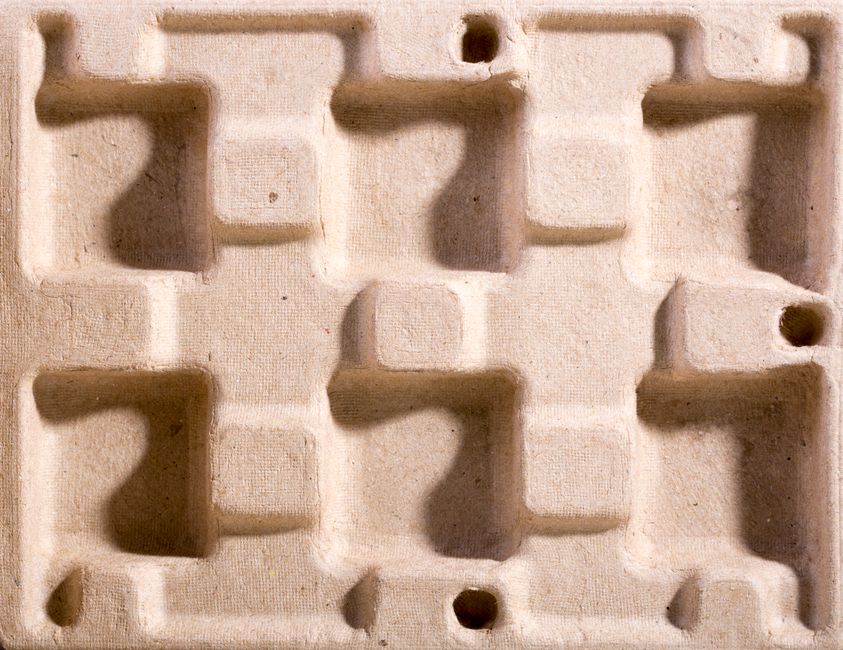
The most immediate application for this technology is in the logistics sector. Mycelium packaging is currently being scaled to replace expanded polystyrene, commonly known as Styrofoam. Because it can be grown into custom molds, it provides the same protective, impact-resistant qualities required for shipping electronics and fragile home goods. Once the consumer finishes with the packaging, they can simply break it apart and toss it into their home compost bin, where it decomposes within 30 to 90 days, returning nutrients to the soil.
Mycelium in Furniture and Interior Design
Beyond packaging, the design industry is embracing mycelium for its aesthetic and functional versatility. Designers are now utilizing mycelium products to create lampshades, acoustic wall panels, and even modular furniture. Because these materials are fire-resistant and possess natural insulating properties, they serve as an excellent alternative to synthetic foams and particleboards that often contain formaldehyde or other toxic binders.
The Architectural Frontier
The potential for mycelium building materials extends to the very structure of our living spaces. Researchers are currently experimenting with mycelium-based bricks that provide structural integrity while offering superior thermal insulation. While still in the early stages of adoption, these bio-bricks represent a shift toward carbon-sequestering architecture, where the materials used to build a home actually store carbon rather than emitting it during production.
| Feature | Petroleum Plastic | Mycelium Composite |
|---|---|---|
| Source | Fossil fuels | Agricultural waste |
| Biodegradability | Hundreds of years | 30 to 90 days |
| Carbon Footprint | High emissions | Carbon negative |
| Manufacturing | Heat and chemical heavy | Growth-based (low energy) |
Addressing the Core Question: Is Mycelium Fungus the Plastic of the Future?
The question of whether mycelium will fully replace traditional materials is a matter of scale and application. While mycelium offers an incredible environmental advantage, it is not a direct chemical equivalent to every type of plastic. Instead, it is a functional alternative. The real power of mycelium lies in its ability to be grown locally, reducing the carbon emissions associated with global shipping and supply chains. As major brands invest in this technology, the cost of production is expected to drop, making it increasingly competitive with traditional, unsustainable alternatives.
Frequently Asked Questions
Is there really a fungus that breaks down plastic?
Yes, there are specific strains of fungi, such as Aspergillus tubingensis and Pestalotiopsis microspora, that have been discovered to secrete enzymes capable of breaking down polyurethane and other plastics. While this is an exciting area of bioremediation research, it is distinct from the growth of mycelium products, which use fungi as a building material rather than a plastic-eating agent.
Is it possible to replace plastic with seaweed?
Seaweed is another highly promising bio-material. Much like mycelium, seaweed-based polymers are biodegradable and compostable. While mycelium is often used for structural, rigid shapes or foam-like padding, seaweed is frequently developed into flexible films and coatings. Both materials are part of a broader shift toward seaweed and fungal-based packaging solutions that aim to eliminate the need for single-use plastics.
How long do mycelium bricks last?
When properly cured and dried, mycelium-based materials are remarkably durable. In controlled indoor environments, they can last for decades, similar to wood. However, because they are organic materials, they are susceptible to moisture and extreme humidity over long periods. Future innovations in natural coatings are currently being developed to enhance the lifespan of these materials for outdoor or high-moisture applications.
Is mycelium toxic to humans?
No, the mycelium used in industrial manufacturing is not toxic. The fungal strains selected for these applications are non-pathogenic and are deactivated through a drying process before the products reach the consumer. This ensures that the final product is inert and safe to handle, making it ideal for home goods, furniture, and food-safe packaging.
Conclusion
The transition toward sustainable materials is no longer a niche pursuit; it is a necessity driven by climate change and consumer demand for transparency. Mycelium represents a fundamental shift in how we conceive of manufacturing. By moving away from the extraction of finite fossil fuels and toward the cultivation of biological organisms, we are entering an era of regenerative production. As research continues to refine the strength, durability, and scalability of these bio-composites, it is clear that fungi will play an essential role in a future where our homes, our packaging, and our daily goods are grown rather than manufactured. Through the continued innovation of mycelium-based solutions, we have the opportunity to create a world where our material footprint is as temporary and beneficial as nature intended.