
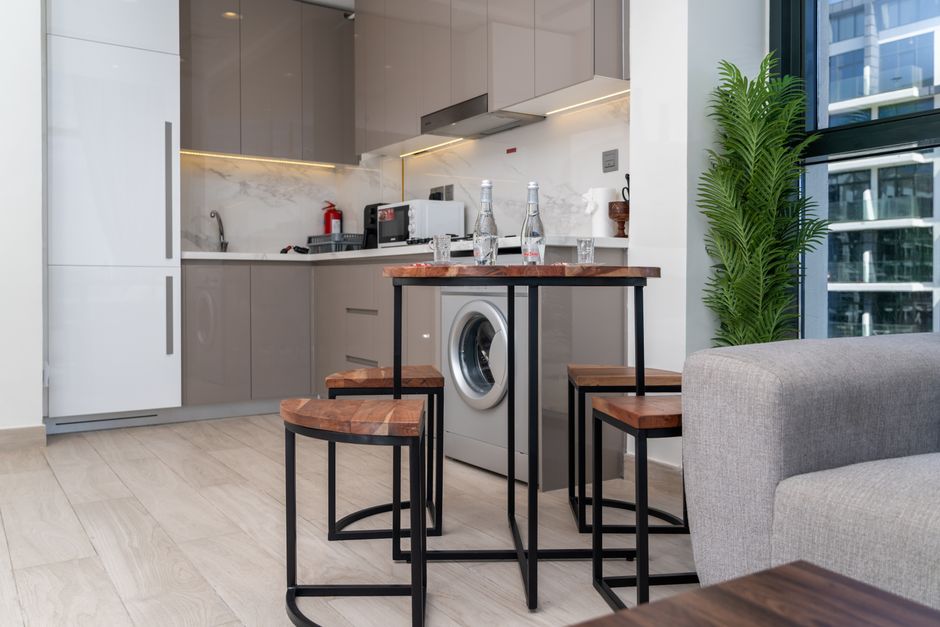
As the global population shifts toward dense metropolitan hubs, the reality of urban living has undergone a fundamental transformation. With the average square footage per person in major cities shrinking to as little as fifteen square meters, the traditional approach to interior design—buying large, fixed, single-purpose items—is no longer viable. In this context, modular furniture has emerged not merely as a trend, but as an essential strategy for reclaiming functionality and comfort in small spaces. By prioritizing adaptability, these systems allow residents to treat their homes as fluid environments that evolve alongside their professional and personal needs.
The Evolution of Modular Design in Urban Environments

Modular furniture is defined as a system of separate, reproducible components that can be combined, rearranged, expanded, or moved to suit specific spatial constraints. Unlike conventional furniture, which is often bulky and rigid, modular pieces are designed with a skeleton-first philosophy. This allows for a level of customization that was previously reserved for high-end bespoke commissions. Today, this design language is being adopted by both boutique studios and global retailers to address the unique challenges of modern city dwelling, such as narrow hallways, small elevators, and the frequent relocation patterns of the urban renter.
Solving the Puzzle of Small-Space Living
The primary advantage of modular systems is their inherent flexibility. In a studio apartment, a single wall unit can serve as a media console, a bookshelf, or a home office, depending on how the modules are stacked and secured. This adaptability is critical for residents who work from home, as it allows them to transition a living space into a productive workspace without compromising the aesthetic integrity of the room. By utilizing vertical wall space through modular shelving and wall-mounted units, homeowners can keep floor footprints clear, creating an illusion of openness that makes compact apartments feel significantly larger.
The Economics of Adaptability
While the initial investment in high-quality modular systems may be higher than mass-produced flat-pack furniture, the long-term cost benefits are substantial. Because these units can be reconfigured or expanded, there is no need to purchase new items when moving to a different apartment or shifting the layout of a room. A modular sofa that works in a long, narrow living room today can be broken down and rearranged into a corner configuration in a future home. This durability and versatility reduce the need for constant consumption, making modular furniture a more sustainable choice for the conscious consumer.
Key Strategies for Optimizing Compact Floor Plans
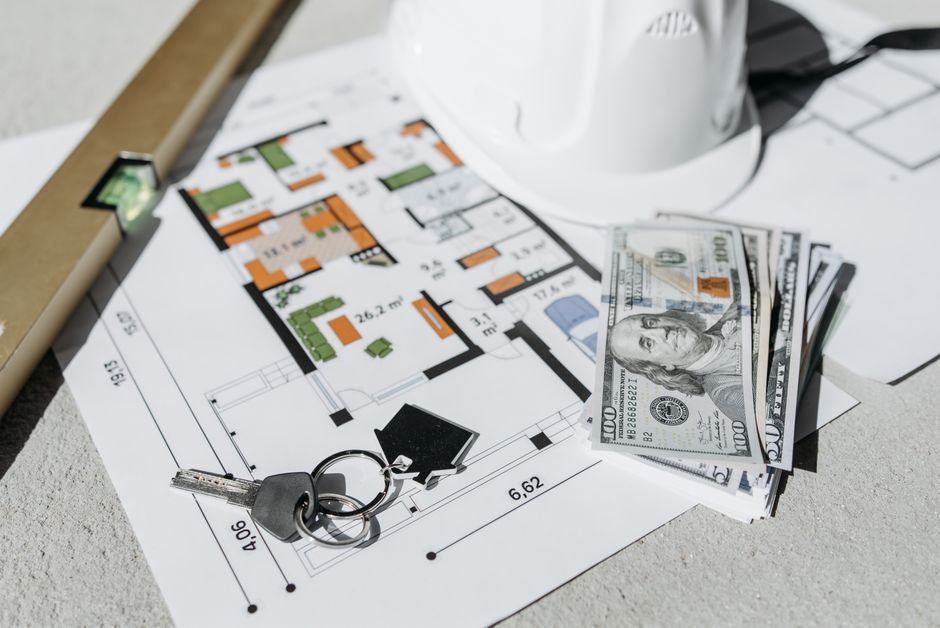
Successful small-space design relies on precise planning and a clear understanding of how furniture interacts with the architecture of a room. When working with limited square footage, the goal is to maximize utility while maintaining visual flow.
Vertical Efficiency and Hidden Storage
Utilizing vertical space is the most effective way to organize a small home. Modular storage units that reach toward the ceiling draw the eye upward, which can make a room feel taller. Furthermore, many modern modular systems integrate hidden storage within seating, such as ottomans or benches that open to reveal compartments for linens, tech gear, or seasonal items. By tucking daily clutter away, you maintain a clean, minimalist environment that is essential for mental clarity in a small space.
The Importance of Visual Lightness
In cramped quarters, heavy materials can make a room feel suffocating. Designers often recommend modular furniture with slender steel frames or open shelving to maintain sightlines across the room. When you can see the floor or wall behind or beneath a piece of furniture, the brain perceives the space as larger. Choosing light-colored finishes or reflective surfaces, such as lacquer or glass, further enhances this effect by bouncing natural light into darker corners of the apartment.
Practical Considerations for Renters and Travelers
For the urban professional, the ability to disassemble and transport furniture is paramount. Traditional, heavy wooden furniture is often impossible to move through tight stairwells or standard apartment elevators. Modular systems, particularly those built on lightweight steel frames, are designed for easy breakdown. Most can be dismantled into manageable parts, making them the perfect solution for individuals who prioritize mobility without wanting to sacrifice the comfort and quality of their living environment.
Frequently Asked Questions
What furniture is in high demand right now?
Currently, there is a massive surge in demand for multifunctional and modular items. Pieces that serve dual purposes—such as storage beds, desk-bed combinations, and modular sofas with adjustable backrests—are the most sought-after. Consumers are prioritizing items that can easily transition from daytime work modes to nighttime relaxation modes.
What is the 2/3 rule furniture?
The 2/3 rule is a design guideline often used to ensure visual balance. It suggests that furniture should occupy roughly two-thirds of the space available to it. For example, a rug should cover about two-thirds of a floor area, or a sofa should be about two-thirds the length of the wall it sits against. This prevents the room from feeling either too empty or overcrowded, maintaining a harmonious scale.
What are the furniture trends for 2026?
Moving toward 2026, the focus is heavily on “soft modularity” and sustainable materials. Expect to see more organic shapes combined with modular functionality, utilizing materials like recycled cork, natural wood, and high-performance, easy-to-clean fabrics. There is also a shift toward “smart” modularity, where furniture pieces integrate wireless charging and cable management systems seamlessly into their design.
What are the disadvantages of modular furniture?
While modular furniture is highly practical, some users find the initial assembly process more time-consuming compared to buying pre-assembled pieces. Additionally, if the system is not high-quality, the connection points between modules can become loose over time. It is also important to ensure that the modular system you choose is compatible with future additions from the same brand, as proprietary locking mechanisms often prevent mixing and matching across different manufacturers.
Conclusion
The rise of modular furniture is a direct response to the changing landscape of urban living. As our homes increasingly serve as offices, gyms, and sanctuaries, the static, single-purpose furniture of the past no longer meets our needs. By choosing modular systems, urban dwellers can invest in a flexible infrastructure that grows and changes alongside their lives. Whether you are navigating the limitations of a studio apartment or simply looking to optimize your storage, modularity offers the freedom to design a home that is as dynamic and adaptable as the city outside your window. By focusing on quality, vertical space, and multi-functionality, you can transform even the smallest footprint into a magnificent, organized, and truly personalized home.