

As the workforce landscape undergoes a rapid transformation, organizations are increasingly recognizing that traditional top-down management styles are no longer sufficient to retain top talent. For the newest generation of professionals, career growth is not just about climbing a ladder; it is about finding purpose, building authentic connections, and mastering new skills in an increasingly volatile market. Mastering digital-native mentorship and learning how to guide Gen Z through career transitions is now a strategic imperative. By understanding the unique values of this cohort, companies can design mentoring programs that move beyond simple task delegation and instead foster long-term professional fulfillment and mutual growth.
The Evolution of Mentorship in a Digital-First World

Mentorship in the modern era has shifted from being a rigid, long-term commitment between a senior executive and a junior employee to a more fluid, dynamic exchange. Because generation Z employees have grown up in a world defined by constant connectivity, they expect their professional development to be as accessible and intuitive as the technology they use daily. When we discuss digital-native mentorship, we are referring to a culture where learning is continuous, collaborative, and deeply integrated into the flow of work.
Building the Foundation: Why Structure Matters
While Gen Z values autonomy, they also thrive when provided with clear, actionable frameworks. Effective mentorship programs begin by setting clear objectives. Whether the goal is skill development, navigating a promotion, or cultural integration, participants need to understand the ‘why’ behind their partnership. Without defined goals, the relationship can drift, leading to disengagement. Organizations should provide resources such as conversation starters and structured check-ins to ensure that both the mentor and the mentee remain focused on meaningful outcomes.
The Power of Reverse Mentoring
One of the most effective ways to engage this demographic is through reverse mentoring. In this model, the traditional hierarchy is flattened. Gen Z employees, who possess innate digital fluency, share their insights on emerging technologies, social media trends, and fresh perspectives with senior staff. This reciprocal learning approach fosters mutual respect and helps break down silos. It reinforces the idea that mentorship is a two-way street, where experience meets innovation.
Strategic Elements for Successful Mentoring Programs
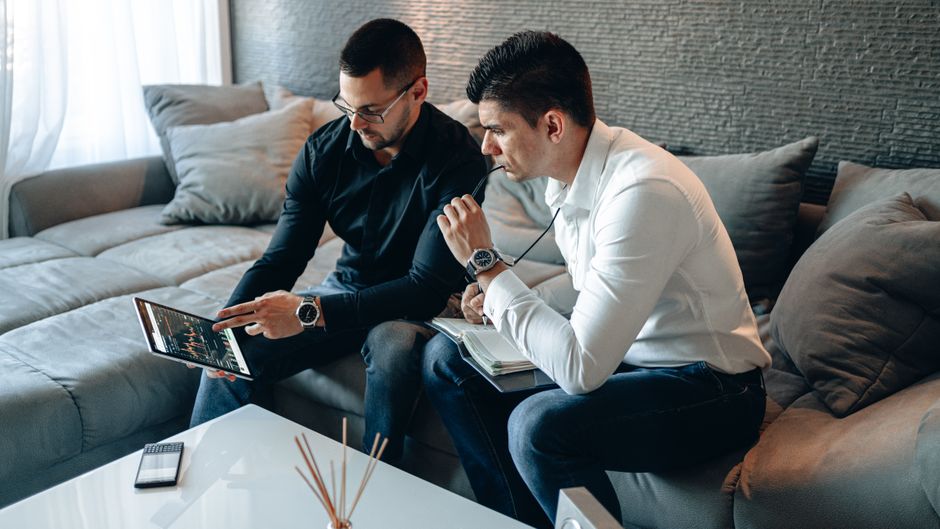
To create a robust support system, organizations must move beyond informal coffee chats and implement intentional strategies. The following elements are essential for fostering a productive environment:
- Thoughtful Matching: Use surveys or personality assessments to pair individuals based on career aspirations and communication styles rather than just departmental proximity.
- Diverse Pairings: Encourage cross-functional mentorship to broaden perspectives. A junior marketer being mentored by a senior engineer can lead to unique, interdisciplinary creative breakthroughs.
- Digital Accessibility: Leverage mentoring apps and virtual meeting tools. By meeting Gen Z where they are—on digital platforms—companies accommodate the flexible and remote work preferences that are often non-negotiable for this cohort.
- Focus on Soft Skills: While technical training is vital, the most successful programs emphasize emotional intelligence, leadership, and resilient communication. These are the skills that will carry a young professional through various career transitions.
Measuring Success and Continuous Improvement
A mentorship initiative is only as good as its data. To ensure the program remains effective, organizations should implement regular feedback loops. Surveys, performance metrics, and qualitative interviews can help identify what is working and where adjustments are needed. By treating mentorship like a product—constantly iterating based on user feedback—companies can ensure their programs remain relevant and valuable to a changing workforce.
Frequently Asked Questions
What does Gen Z look for in a mentor?
Gen Z looks for mentors who act as advocates and sounding boards rather than just supervisors. They value transparency, authentic feedback, and a shared commitment to personal development. They are looking for mentors who are willing to listen, share their own failures as learning opportunities, and provide guidance that aligns with their personal values and long-term career goals.
What makes Gen Z considered digital natives?
Gen Z is the first generation to grow up in a world where the internet, mobile devices, and social media were already ubiquitous. They have never known a world without instant access to information. This digital fluency informs how they process data, how they communicate, and how they expect to receive training and support in the workplace. They treat digital tools as an extension of their professional identity.
What age is peak Gen Z?
While the birth years for Generation Z are generally considered to be between 1997 and 2012, the current peak of the Gen Z workforce falls within the 22 to 27 age range. This cohort is currently navigating critical career transitions, moving from entry-level roles into mid-level positions, making this the most important time to provide structured support and mentoring.
How to motivate generation Z in the workplace?
Motivation for Gen Z is deeply rooted in purpose and agency. They want to understand the impact of their work and how it contributes to the larger organizational goals. To keep them engaged, managers should provide clear paths for growth, encourage autonomy, and foster a work environment that prioritizes mental health and inclusivity. Regular recognition and the opportunity to contribute to meaningful projects are far more motivating to them than traditional corporate perks.
Conclusion
Guiding the next generation through their professional journey requires a shift in mindset. By embracing digital-native mentorship, organizations can unlock the immense potential of Gen Z while simultaneously strengthening their own leadership pipeline. The key is to provide a structured yet flexible environment that values training, encourages reverse learning, and treats every career transition as an opportunity for development. Whether you are looking for digital-native mentorship how to guide gen z through career transitions free resources or building a comprehensive corporate program, the most important element is human connection. When you invest in the growth of your employees, you are investing in the future resilience of your entire organization.