
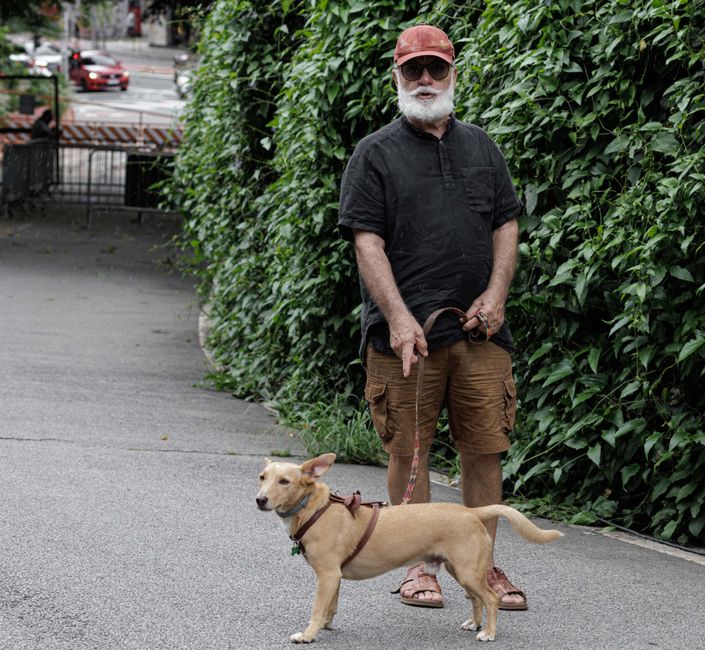
As our canine companions enter their golden years, mobility challenges often become an unfortunate reality of the aging process. Whether due to degenerative joint disease, osteoarthritis, or the lasting effects of past injuries, senior dogs frequently face a decline in their quality of life as their physical activity levels diminish. Fortunately, the veterinary landscape is undergoing a technological revolution. Through the advent of adaptive pet tech, specifically 3D pet prosthetics and custom orthotics, we are entering an era where mobility is no longer a luxury but an achievable standard of care for aging pets.
The Evolution of Veterinary Mobility
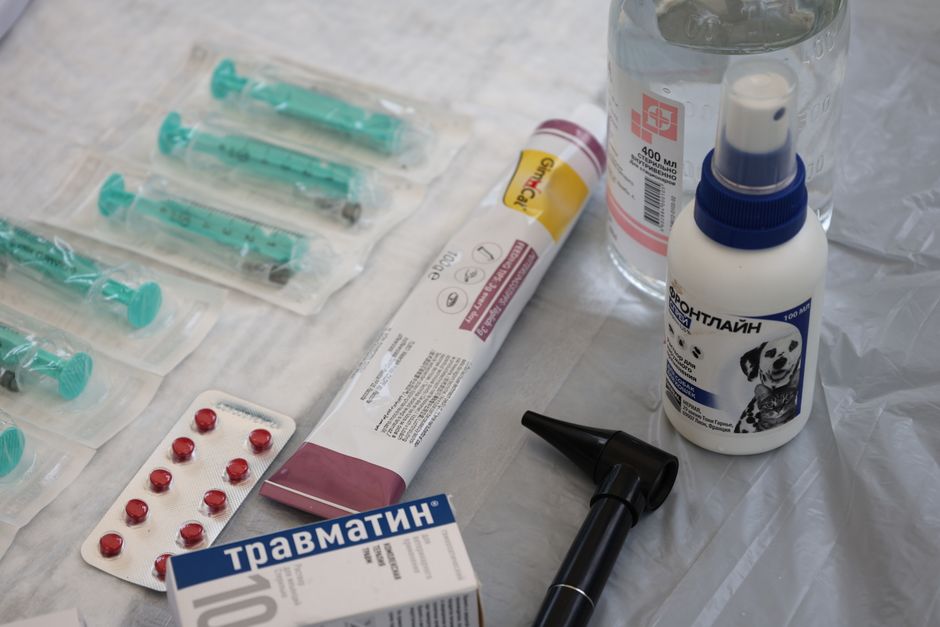
Historically, options for pets with limb differences or joint instability were limited to basic slings or cumbersome, one-size-fits-all carts. Today, the field of veterinary rehabilitation has shifted toward a multidisciplinary approach. Veterinarians, physiotherapists, and biomedical engineers now collaborate to create solutions that are not just supportive, but therapeutic. This evidence-based approach ensures that devices are integrated into holistic recovery protocols rather than acting as mere accessories.
The core of this transformation lies in 3D printing technology. By utilizing digital imaging and precise biomechanical modeling, specialists can create devices that perfectly match the unique anatomy of an individual dog. This level of customization is essential for senior pets, whose comfort requirements are significantly higher than those of younger animals. When a device is improperly fitted, it can cause secondary injuries or skin irritation; however, printed prosthetics are designed to account for specific pressure points, ensuring long-term wearability and comfort.
Understanding 3D-Printed Prosthetics and Orthotics
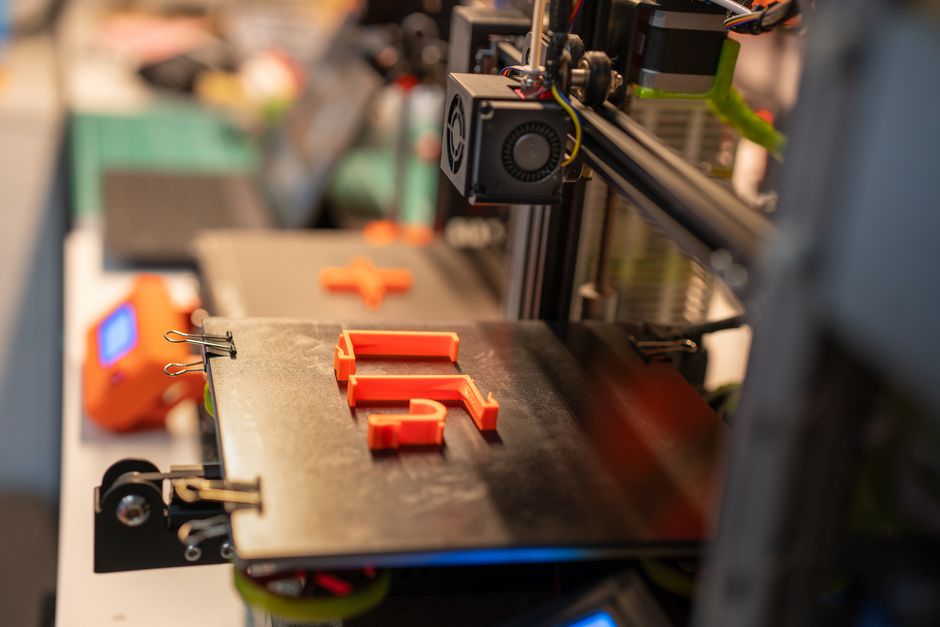
When discussing 3D pet prosthetics, it is important to distinguish between prosthetics, which replace a missing limb, and orthotics, which support or stabilize an existing but compromised limb. Both categories have been revolutionized by additive manufacturing.
The Customization Process
The journey toward better mobility usually begins with a 3D scan or a physical mold of the affected limb. This data is converted into a digital model, allowing designers to create a custom device that aligns with the dog’s natural gait. Once the design is finalized, the piece is printed using durable, medical-grade materials that are both lightweight and hypoallergenic. For those with access to specialized equipment, some providers offer a 3D printed dog prosthetic leg STL file, though it is highly recommended that these be reviewed by a professional to ensure the device is safe for the animal’s specific biomechanical needs.
Advanced Materials and Comfort
Modern devices are no longer restricted to rigid plastics. Innovations in material science allow for the integration of flexible, breathable, and impact-absorbing components. This is particularly vital for senior dogs who may spend significant time resting. High-quality 3D Pets and WIMBA vet solutions often incorporate soft interfaces that prevent pressure sores, a common concern when utilizing external hardware on aging skin.
Integrating Technology into Recovery
Beyond the physical structure of the devices, the integration of smart technology is changing how we manage chronic conditions. We are now seeing the emergence of orthotics and prosthetics that incorporate sensor-based monitoring. These wearables can track movement patterns, detect changes in pressure distribution, and even monitor pain signals in real-time.
This data is invaluable for the aging pet. By syncing with mobile applications, these devices provide veterinarians with compliance data, allowing them to adjust treatment plans dynamically. If a dog is favoring one side or showing signs of discomfort, the digital feedback loop ensures that the prosthetics or braces can be modified or the rehabilitation plan adjusted before the condition worsens.
Choosing the Right Mobility Solution
When exploring options for your senior dog, it is essential to work with professionals who specialize in animal orthopedics. Companies like WIMBA vet and other leaders in the space focus on evidence-based care. They do not simply provide a product; they provide a system of support that includes initial consultations, gait analysis, and follow-up adjustments. Whether you are looking for a carpal brace for an arthritic wrist or a full limb prosthetic, the following table summarizes the key considerations for choosing the right aid:
| Feature | Why It Matters for Senior Dogs |
|---|---|
| Custom Fit | Prevents chafing and ensures optimal weight distribution. |
| Lightweight Material | Reduces fatigue for dogs with limited muscle mass. |
| Breathability | Essential for preventing skin irritation during long-term use. |
| Professional Oversight | Ensures the device supports, rather than hinders, natural movement. |
Frequently Asked Questions
How much does a 3D printed prosthetic cost?
The cost of 3D pet prosthetics varies significantly based on the complexity of the device, the size of the dog, and the level of professional customization required. While basic orthotic braces may be more affordable, a fully custom prosthetic can range from several hundred to over a thousand dollars. Many companies now offer flexible payment schedules to assist pet guardians in providing the necessary care for their senior companions.
Can you 3D print a prosthetic leg for a dog?
Yes, 3D printing is an excellent method for creating prosthetics for dogs. Because every animal’s amputation site is unique, traditional manufacturing methods often fall short. 3D printing allows for a bespoke fit that follows the contours of the residual limb, providing the comfort and stability required for a senior dog to regain mobility.
What are the best leg braces for arthritic dogs?
The best braces for arthritic dogs are those that are custom-molded to the joint. Off-the-shelf braces may not provide the precise support needed to stabilize a degenerating joint. Look for companies that require professional measurements or 3D scans, as these ensure the brace properly offloads stress from the arthritic joint while allowing for a natural range of motion.
Is there a robotic leg available for dogs?
While fully autonomous “robotic” legs are still largely in the experimental or research phase, the field of soft robotics is advancing rapidly. Current 3D printed prosthetics often incorporate mechanical hinges and springs that mimic natural joint function. We are also seeing the integration of sensors that provide data to help manage the dog’s recovery, representing the bridge between simple physical support and active, responsive mobility technology.
Conclusion
The integration of 3D printing into veterinary care represents a profound leap forward for senior pet wellness. By moving away from generic, mass-produced supports and toward custom, printed prosthetics and orthotics, we are finally able to offer our aging dogs the mobility they deserve. As technology continues to evolve, the combination of advanced material science, sensor-based monitoring, and a multidisciplinary approach will ensure that our pets remain active and comfortable for as long as possible. If you suspect your senior dog could benefit from these innovations, consult with your veterinarian to discuss how modern orthotic solutions can improve their quality of life.