
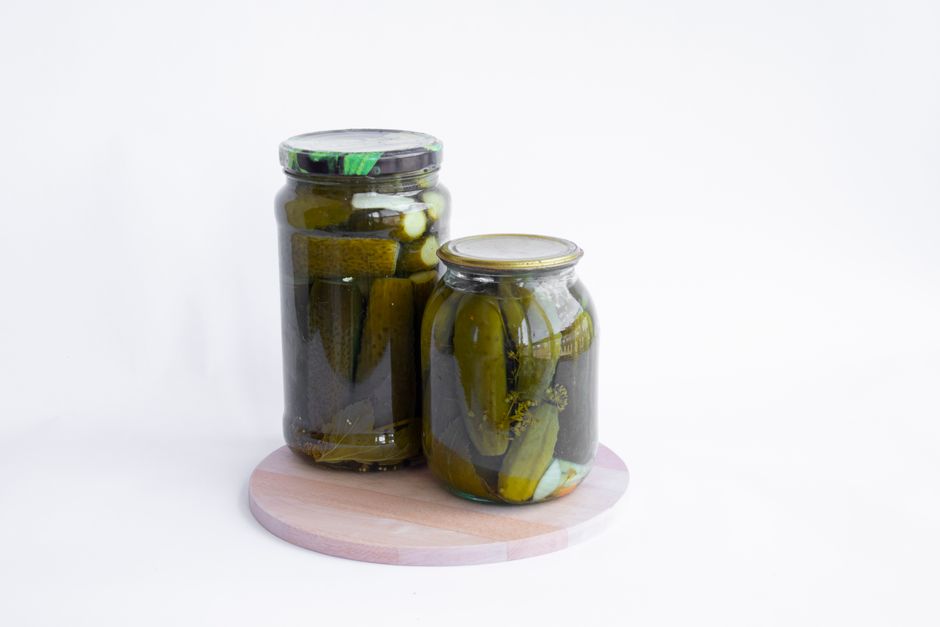
The Modern Evolution of Fermentation

For centuries, humans have relied on fermentation as a vital method for food preservation and nutrient enhancement. In recent years, however, the ancient art of culturing food has undergone a modern evolution. As scientific interest in the human microbiome intensifies, so does the public appetite for accessible, high-quality probiotics. Enter the era of Fermentation as a Service: a subscription-based model that brings artisan, live-cultured products directly to your doorstep. This shift is transforming how we view gut health, moving away from the occasional store-bought jar toward a consistent, lifestyle-integrated approach to nourishment.
The Science of the Gut-Food Connection

The relationship between fermented foods and the human microbiome is a burgeoning field of study. Research highlights how the regular consumption of live-cultured products can influence both oral and gut microbiota. By introducing diverse strains of bacteria, these foods act as conduits for biological equilibrium. The benefits are not merely anecdotal; they are rooted in the complex interplay between microbial diversity and our immune system.
Addressing Safety Concerns
As interest grows, so does curiosity regarding safety. Consumers often ask: Is fermented food bad for gut health? Generally, when produced under sanitary conditions using proper fermentation techniques, these foods are exceptionally beneficial. While the dangers of fermented foods—such as the risk of harmful pathogen growth due to poor temperature control or improper salinity—are technically possible, professional fermentation services mitigate these risks through:
- Rigorous quality control protocols.
- Temperature-monitored environments.
- Expert oversight and testing.
This level of professional precision removes the guesswork that often deters beginners from experimenting at home.
Top 10 Fermented Foods for Gut Health
Integrating a variety of ferments into your diet is the gold standard for maintaining a healthy microbiome. The following table highlights some of the most potent options for your daily routine:
| Food Item | Primary Benefit | Best Used For |
|---|---|---|
| Sauerkraut | High in vitamins C and K | Topping salads or grilled meats |
| Milk Kefir | Diverse probiotic strains | Smoothies or morning bowls |
| Water Kefir | Dairy-free probiotic boost | Refreshing daily hydration |
| Kimchi | Prebiotic fiber and spice | Adding depth to savory dishes |
| Sourdough | Easier digestibility | Daily sandwich bread |
| Miso | Enzyme-rich umami | Soups and marinades |
| Kombucha | Organic acids and enzymes | A bubbly afternoon pick-me-up |
| Tempeh | Plant-based protein | Meat-free main courses |
| Natto | Vitamin K2 and nattokinase | Traditional breakfast bowls |
| Kvass | Electrolytes and minerals | Post-workout recovery |
Why the Subscription Model Works
The primary barrier to consistent gut health is the labor-intensive nature of home fermentation. Maintaining starters and waiting weeks for ferments requires time, space, and technical knowledge. Subscription services solve this by bridging the gap between grocery store convenience and home-kitchen quality.
Removing the Guesswork
Subscription boxes are designed to remove the intimidation factor. By delivering fresh, ready-to-eat ferments, these services ensure that your intake of live cultures is consistent. Many providers offer expert guidance, including videos and recipes, transforming a simple delivery into a learning journey.
Logistics, Innovation, and Sustainability
One of the most significant advancements is the use of innovative packaging. Modern services are increasingly using specialized pouches that maintain the integrity of live cultures while reducing shipping weight and carbon footprints. Many brands also implement circular economy programs where containers are returned, cleaned, and reused.
Customization and Access
Unlike standard retail, subscription models offer exclusive access to seasonal, small-batch, and limited-edition products. Because these services are often managed by human-led teams, they can accommodate specific dietary needs and delivery preferences, ensuring the service adapts to your lifestyle.
Frequently Asked Questions
Can I safely consume fermented foods if I have a sensitive stomach?
Yes, but start slowly. Introducing a high volume of probiotics suddenly can cause temporary digestive shifts. Incorporate small amounts—such as a tablespoon of sauerkraut—and gradually increase your intake as your microbiome adjusts.
How do I know if the products are high quality?
Look for labels indicating “live-cultured” and ensure the items are stored in the refrigerator. Reliable services provide transparency regarding their sourcing, ingredients, and fermentation processes.
Are there any groups who should avoid fermented foods?
Individuals with specific histamine intolerances or those who are severely immunocompromised should consult a healthcare provider first, as fermented products can be high in biogenic amines.
Is it cheaper to subscribe?
Generally, yes. Subscription models offer better value per item compared to individual retail purchases, especially when factoring in the convenience of delivery and access to exclusive, high-quality goods.
Conclusion
The rise of Fermentation as a Service represents a thoughtful evolution in our relationship with food. By prioritizing gut health through consistent, sustainable practices, we are investing in our long-term well-being. Whether you are a seasoned enthusiast or a newcomer, the subscription model provides a low-barrier, high-reward path to better health. By stripping away the complexity associated with traditional production, these services make the ancient practice of fermentation an effortless part of the modern lifestyle.