
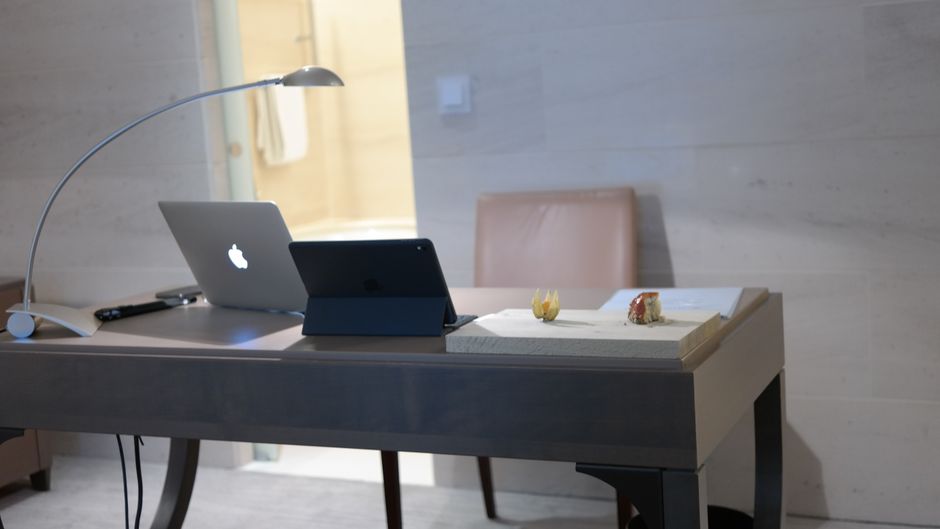
The modern home office has evolved beyond a mere functional necessity into a critical landscape for mental performance. As professional life increasingly integrates into residential spaces, the challenge lies not in finding a desk, but in curating a cognitive interior—an environment engineered to minimize neural friction and facilitate the elusive flow state. By applying principles of environmental psychology and human-centric design, professionals can transform their home workspace from a site of distraction into a high-performance cognitive hub.
The Neuroscience of Environmental Load
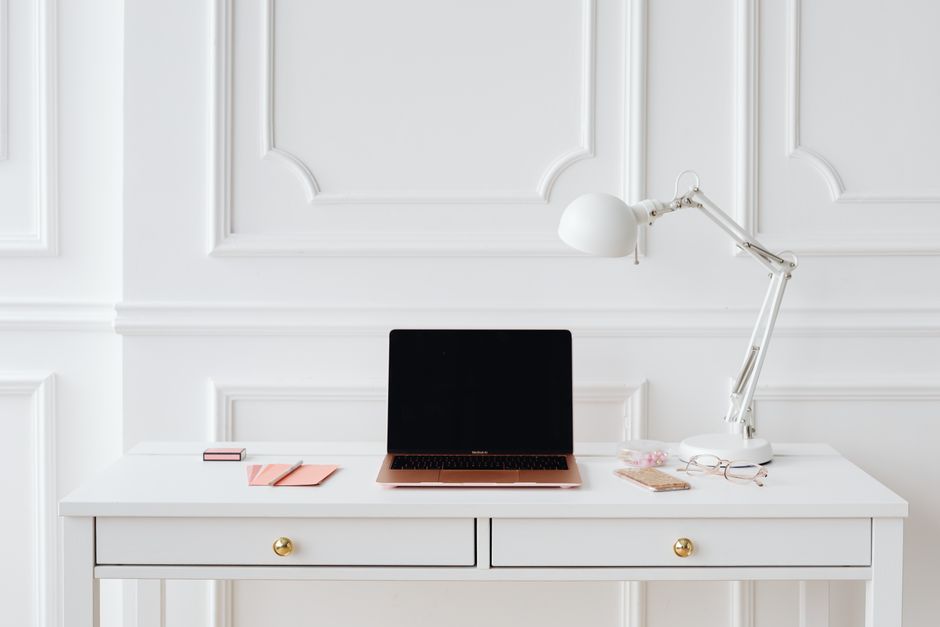
The human brain is constantly processing environmental cues, a phenomenon known as cognitive load. When your home office is cluttered or poorly organized, your neural resources are diverted toward processing irrelevant visual stimuli rather than focusing on complex tasks. Research in environmental psychology indicates that visual clutter competes for attention, effectively raising the threshold required to enter a state of deep work.
Designing for Reduced Cognitive Friction
To optimize for focus, the design process must prioritize the elimination of unnecessary stimuli. A minimalist aesthetic is not merely a stylistic choice; it is a functional strategy to preserve neural bandwidth. Designers often look to Steelcase planning ideas to understand how spatial configuration influences task performance. By utilizing concealed storage solutions and dedicated “zones” for different types of work, you can reduce the mental energy spent on managing your physical surroundings, allowing that energy to be reallocated toward creative and analytical output.
Applying Prospect and Refuge for Psychological Security
One of the most enduring concepts in environmental design is Appleton’s Prospect-Refuge Theory. Humans have an innate preference for environments that provide a sense of safety (refuge) while allowing a clear view of the surrounding area (prospect). In a home office context, this means positioning your desk so that you are not vulnerable to movement behind you—such as a door—while ensuring you have a clear line of sight to the entry point of the room.
This configuration addresses the primitive brain’s need for security, which, when satisfied, allows the prefrontal cortex to engage in higher-order thinking. When you feel “protected” in your space, the nervous system shifts from a state of vigilance to a state of sustained focus, making it significantly easier to maintain the flow state required for complex problem-solving.
Biophilic Integration and Cognitive Endurance
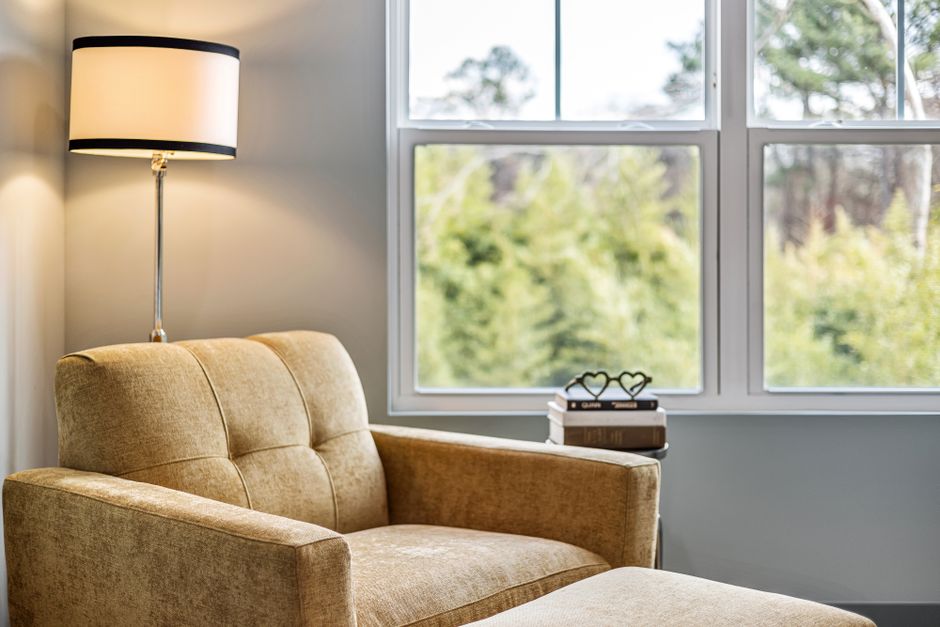
The design of a high-performance space must account for our biological need for connection with the natural world. Data from the Human Spaces Report suggests that biophilic elements—such as natural light, wood textures, and indoor plants—can reduce cortisol levels and improve sustained attention by up to 15 percent. These elements act as “soft fascinations,” which restore the brain’s directed attention capacity after periods of intense mental exertion.
Optimizing Environmental Quality
Beyond aesthetics, the physical determinants of cognitive endurance are rooted in comfort. Drawing on standards established by the WELL Building Standard, professionals should prioritize three key pillars:
- Temperature Control: Thermal discomfort is a primary driver of task-switching. Maintaining a consistent, slightly cool environment promotes alertness.
- Air Quality: High CO2 levels in enclosed home offices can lead to cognitive fatigue and headaches. Ensuring adequate ventilation or utilizing air purification systems is essential for long-term productivity.
- Acoustic Privacy: Soundscapes are critical. Whether through acoustic panels or white noise machines, managing auditory distractions is non-negotiable for achieving deep work.
The Role of Psychological Zoning
One of the most significant pitfalls of the work-from-home era is the “blurring” of boundaries. Cognitive science research demonstrates that task-switching costs are exponentially higher when the same space is used for both leisure and professional labor. To mitigate this, practitioners should implement “psychological zoning.”
This involves creating distinct visual and spatial markers that signal to the brain that it is time to work. This might involve utilizing specific lighting, dedicated furniture, or even a ritualistic change in the environment. Many Steelcase design studio resources emphasize that the physical environment acts as a trigger for behavior; by curating a space that is strictly reserved for “deep work,” you reinforce a neural association between that location and high-level output.
Leveraging Community-Based Design Insights
While the home office is a solitary endeavor, the lessons learned from Steelcase community-based design offer valuable insights for residential application. These methodologies focus on how individuals interact within a larger ecosystem of spaces. Even within a single room, you can simulate this by creating a multi-modal environment. For example, have a primary focus desk, a secondary “analog” zone for brainstorming, and a tertiary “recharge” zone for short breaks.
Reviewing Steelcase white papers on workplace evolution reveals that high-performing individuals rarely stay in one posture or one mental state for eight hours. By incorporating these community-based principles into your home, you shift from a static desk to a dynamic workspace that supports the natural ebb and flow of cognitive energy throughout the day.
Frequently Asked Questions
How do I maintain focus in a small home office?
Focus in small spaces is best managed through vertical storage and the elimination of visual noise. Use shelving to remove items from the desk surface, and ensure that your lighting is task-oriented rather than ambient, which helps “close in” your focus to the work at hand.
Can lighting really change my productivity?
Yes. Circadian-aligned lighting is essential. Cool, blue-enriched white light during the morning hours suppresses melatonin and boosts alertness, while warmer, softer light in the late afternoon can help manage the transition out of deep work, preventing burnout.
What is the most important factor for entering a flow state?
The most critical factor is the reduction of task-switching interruptions. By creating a “psychologically zoned” area where digital and physical distractions are minimized, you remove the barriers that prevent the brain from dropping into the deep, immersive state of flow.
Conclusion: Crafting Your Cognitive Interior
Designing a home office that fosters sustained focus is an iterative process that requires moving beyond basic ergonomics. By integrating the principles of prospect and refuge, minimizing cognitive load, and respecting the biological necessity of biophilic elements, you can create a sanctuary for professional performance. Whether you are consulting Steelcase design studio concepts or applying evidence-based strategies from the WELL Building Standard, the goal remains the same: to build an environment that works in harmony with your brain. Ultimately, the cognitive interior is not just a room; it is a deliberate, curated architecture of the mind that allows you to perform at your peak, day after day.