
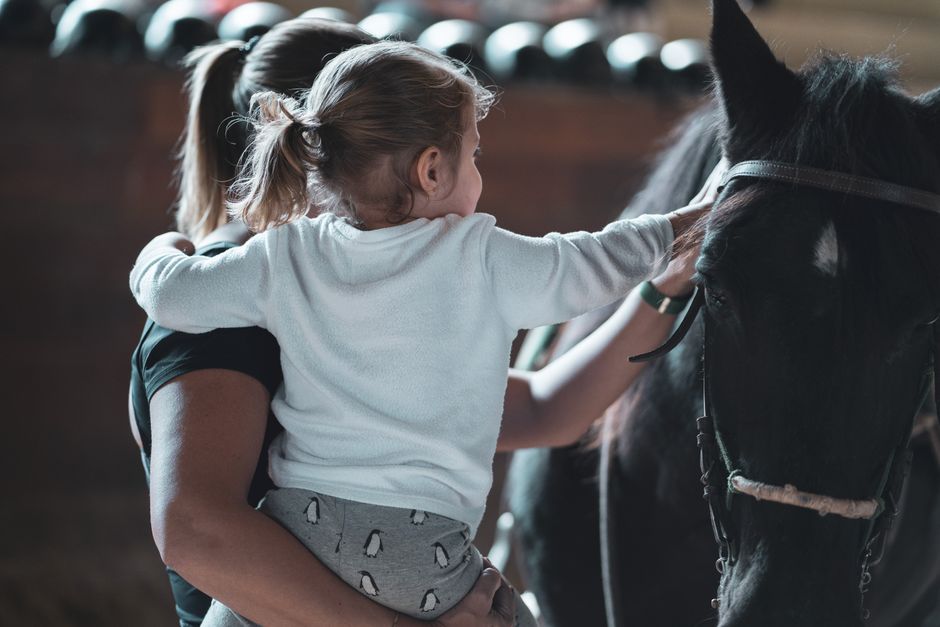
For parents of neurodivergent children, the search for effective therapeutic interventions often feels like navigating a complex maze. While traditional talk therapy and clinical settings have their place, many families are discovering a powerful, non-traditional frontier: equine-assisted therapy. By integrating horses into the developmental process, this approach offers a unique sensory and emotional landscape where children can practice regulation, build social confidence, and develop a sense of agency in a world that often feels overwhelming. Whether your child navigates the world through the lens of autism, ADHD, or other developmental differences, the presence of a horse provides a grounding, non-judgmental partner that can bridge the gap between internal struggles and external expression.
The Science Behind the Saddle: Equine Assisted Therapy Explained
Equine assisted therapy is more than just an outdoor activity; it is a structured, evidence-based approach to emotional and behavioral health. At its core, the practice relies on the unique biological and behavioral nature of horses. Horses are prey animals, meaning they are hyper-vigilant and highly attuned to the physiological states of those around them. They mirror the energy, heart rate, and body language of the humans they interact with, providing immediate, honest feedback that a human therapist might not be able to articulate.
Can Horses Sense Autism?
A common question among parents is whether horses possess a special ability to sense neurodivergence. While horses do not diagnose medical conditions, they are masters of reading non-verbal communication. For children who struggle with traditional social cues, the horse acts as a mirror. If a child approaches with high anxiety, the horse may move away; if the child finds a state of calm, the horse is more likely to engage. This dynamic allows children to learn that their internal state affects their environment. By adjusting their breathing and body language to interact with the horse, children learn self-regulation in real-time, gaining a tangible understanding of how their emotions influence their surroundings.
Equine Therapy Autism Research and Developmental Gains
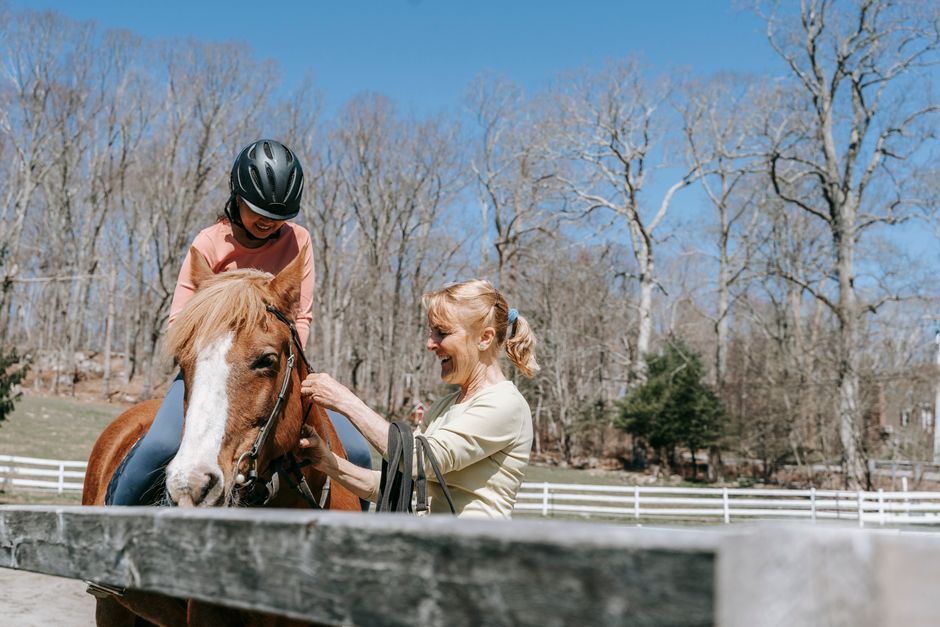
Current equine therapy autism research continues to highlight the efficacy of these programs in improving social-emotional outcomes. Studies have shown that children participating in equine-assisted programs often demonstrate lower levels of cortisol—the body’s primary stress hormone—following sessions. This reduction in stress is a critical milestone for neurodivergent children who may live in a constant state of sensory overstimulation.
Beyond stress reduction, the rhythmic movement of the horse during hippotherapy—a specific form of physical therapy—provides sensory input that can help improve core strength, balance, and motor planning. When combined with ground-based equine assisted work, where the child learns to lead, groom, and care for the animal, the benefits expand into executive function. Planning, following multi-step directions, and maintaining focus are all essential skills practiced naturally within the barn environment.
Building Emotional Regulation Through Partnership
Emotional regulation is the ability to monitor and manage one’s energy states, emotions, and thoughts. For many neurodivergent kids, the world is a barrage of sensory input that can lead to meltdowns or withdrawal. Equine assisted activities provide a controlled, predictable, yet dynamic environment that helps children practice staying in the “window of tolerance.”
Because the horse does not judge, correct, or demand social performance, the child is freed from the pressure of “fitting in.” This creates a safe harbor where they can practice emotional expression. If a child feels frustrated, the horse’s reaction helps them realize they need to calm their breath before they can return to the task. This process of co-regulation—where the child and the horse find a shared state of calm—is a foundational skill that eventually generalizes to school, home, and social settings.
Finding the Right Program for Your Family
When searching for a program, it is essential to look for certified professionals who understand neurodiversity. While you might be searching for “horse therapy for autism near me,” it is important to vet the facility to ensure they have the appropriate certifications, such as those from PATH International or similar professional bodies. Not all programs are created equal, and the safety of your child, as well as the ethical treatment of the horses, should be your top priorities.
Navigating Costs and Accessibility
Many families ask about “free autism horse therapy” or low-cost options. Because these programs require significant overhead—including the care, feeding, and training of horses, as well as professional staff—they are rarely free. However, many non-profit organizations offer sliding-scale fees or scholarships for families in need. Reach out to local therapeutic riding centers directly to ask about their financial assistance policies. It is also worth investigating whether your local disability support services or private health insurance plans offer coverage for therapeutic recreation or occupational therapy that utilizes equine-assisted methods.
Frequently Asked Questions
Is equine therapy good for kids with ADHD?
Yes, equine therapy is highly beneficial for children with ADHD. The dynamic nature of working with a horse requires focus, patience, and the ability to regulate one’s impulses. Because horses require calm, consistent leadership, children quickly learn that impulsive behavior often leads to a lack of connection with the animal, while sustained focus yields a positive, rewarding interaction.
Does horseback riding help autistic kids?
Horseback riding can be transformative for autistic children. The sensory input provided by the horse’s gait can help with sensory processing issues, while the social-emotional bond formed with the animal helps with perspective-taking and reducing social anxiety. It provides a unique, non-verbal way to build confidence and self-esteem.
Which animal is good for an autistic child?
While many animals can be therapeutic, horses are particularly effective due to their size, their nature as herd animals, and their sensitivity to human non-verbal communication. Dogs are also common, but the physical scale and the requirement for “grounding” one’s energy that a horse demands makes equine therapy a unique tool for emotional regulation.
Is equine therapy covered by insurance for autism?
Coverage varies significantly depending on your location and your specific insurance policy. In some cases, if the program is facilitated by a licensed occupational therapist or physical therapist as part of a clinical treatment plan, it may be eligible for coverage. Always check with your insurance provider and the therapy center to see if they can provide the necessary documentation for potential reimbursement.
Conclusion
Equine-assisted therapy represents a powerful shift in how we approach developmental support for neurodivergent children. By moving beyond the four walls of a clinical office and into the barn, we provide children with a partner that teaches them about boundaries, communication, and emotional regulation in a way that feels like play rather than work. While programs like the one formerly offered at the West Coast Centre for Learning remind us that finding the right local fit requires diligence and research, the potential rewards for your child’s confidence and social development are immense. Whether through mounted work or ground-based interaction, the horse remains one of the most effective teachers for children navigating the complexities of their own unique minds.