
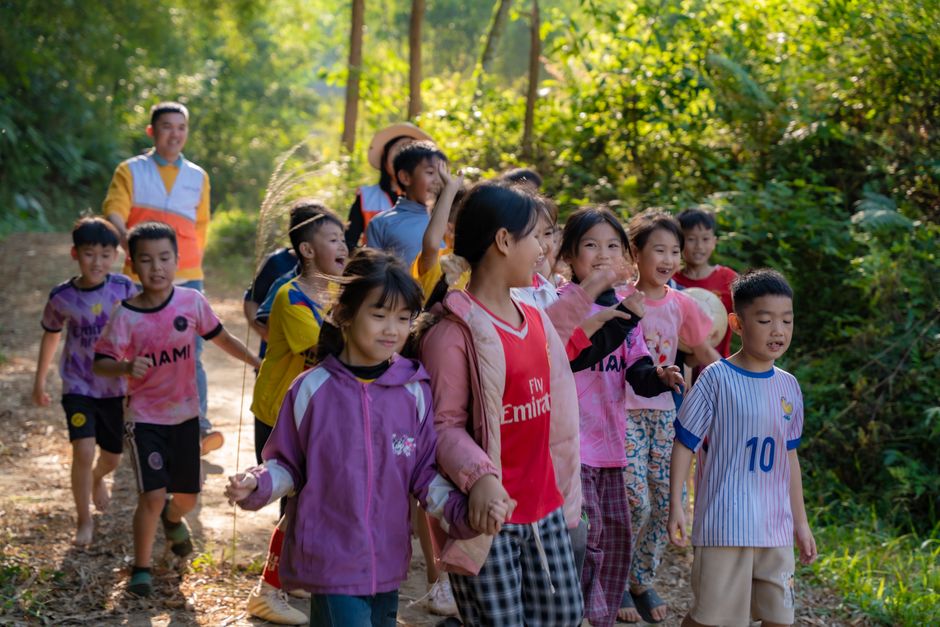
In an era increasingly dominated by digital screens and structured indoor environments, the outdoor classroom movement has emerged as a transformative approach to early childhood education. By shifting the focus from four-walled rooms to the natural world, educators are discovering that the environment itself serves as a powerful teacher. Integrating nature into early education is not merely about providing recess; it is a holistic pedagogical strategy that utilizes the complexity of the outdoors to support cognitive, physical, social, and emotional development. As research continues to validate the profound impact of these experiences, many schools are seeking practical guidance, often searching for the outdoor classroom movement integrating nature into early education pdf resources to help transition their programs toward a more nature-centric model.
Understanding Nature-Based Learning in Early Childhood
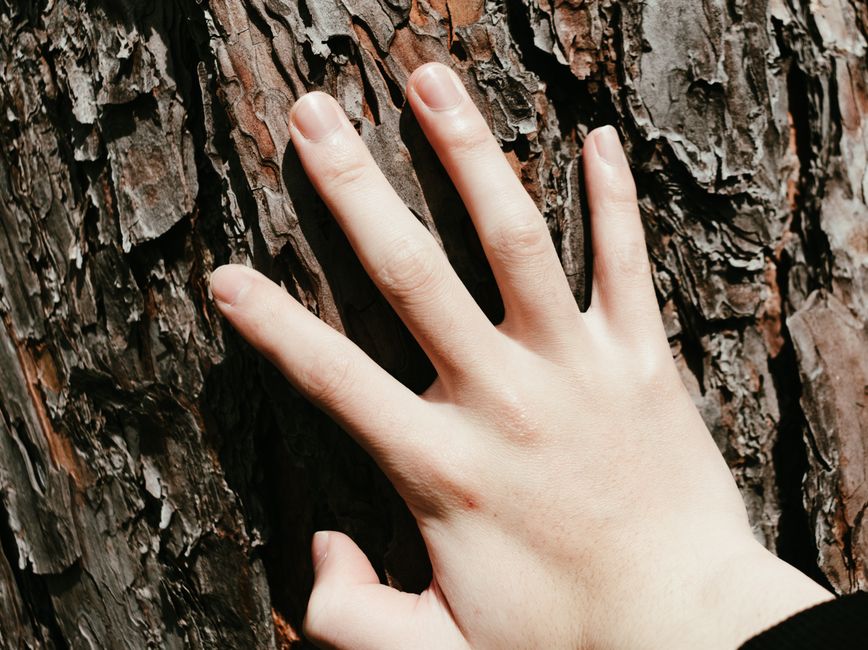
Nature-based learning in early childhood is defined as an experiential approach that takes place primarily in outdoor settings. Unlike traditional classroom instruction, which often follows a rigid, top-down structure, this method engages all the senses and multiple learning domains simultaneously. It encourages children to become active participants in their own education, fostering a sense of wonder and inquiry that is often stifled in purely academic, desk-bound settings.
The philosophy is deeply rooted in the belief that children are naturally curious and capable of self-directed discovery. Whether in a forest, a community garden, or a thoughtfully designed schoolyard, nature provides a dynamic, non-linear environment. In these spaces, children encounter “loose parts”—sticks, stones, leaves, and water—that invite open-ended play, problem-solving, and scientific investigation. This approach aligns with various historical and modern educational theories, including the holistic principles found in Waldorf education, which emphasizes the development of intellectual, artistic, and practical skills through imagination and engagement with the natural world.
The Benefits of Outdoor Learning in Early Years
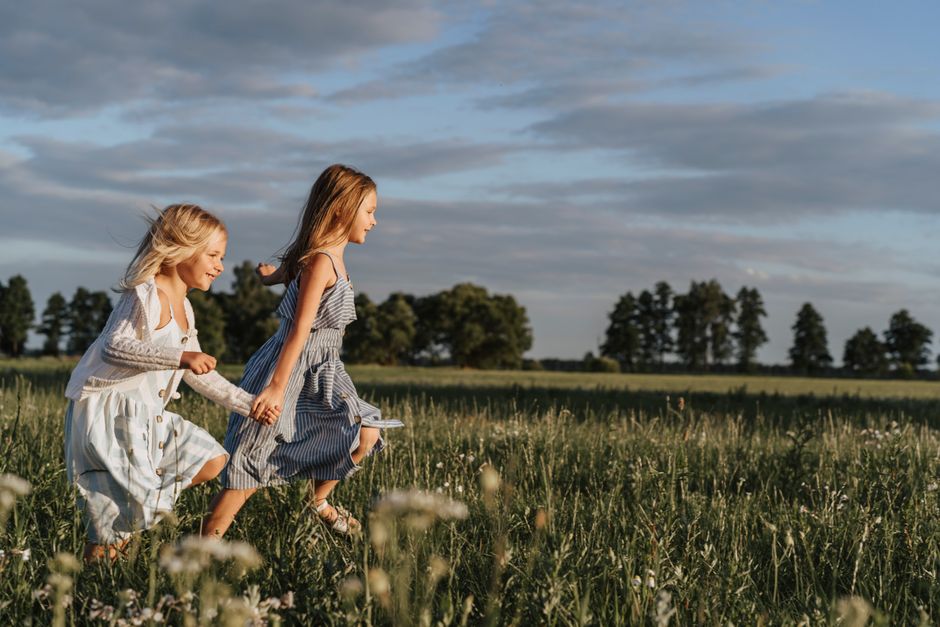
The benefits of outdoor learning in early years are extensive and supported by a growing body of academic research. When children are immersed in natural environments, they are not just playing; they are building foundational skills that will serve them throughout their lives.
Cognitive and Academic Development
Research indicates that outdoor environments significantly enhance language development and scientific exploration. The complexity of the natural world requires children to observe, categorize, and hypothesize—all essential components of the scientific method. Furthermore, a 2023 study published in Educational Research highlighted that outdoor settings foster improved focus, responsibility, and the ability to engage in sustained academic tasks when children return to indoor lessons.
Social and Emotional Growth
Outdoor play is inherently social. Without the limitations of a classroom, children often engage in more collaborative, complex play. Building a fort from branches or navigating a forest trail requires teamwork, negotiation, and conflict resolution. These environments also provide a “green buffer” that can reduce stress and anxiety, allowing children to develop emotional regulation skills in a space that feels less restrictive than a traditional classroom.
Exploring Challenges and Implementation
While the merits of outdoor learning in early childhood education: exploring benefits and challenges is a frequent topic of debate among administrators, the hurdles are often manageable with proper planning. Common concerns include safety, risk management, and the logistics of varying weather conditions. However, proponents argue that managed risk—such as climbing a low-hanging branch or navigating uneven terrain—is actually beneficial for building confidence and physical coordination.
Successfully integrating nature into a curriculum requires a shift in the educator’s role. Teachers move from being the sole source of information to being facilitators of discovery. This shift requires professional development, as educators must learn how to design outdoor curricula, manage safety in wild spaces, and align nature-based activities with state or national learning standards.
Nature-Based Learning Activities
For educators looking to incorporate more nature-based learning activities into their daily routines, the key is to start with simple, inquiry-based tasks that encourage observation and interaction.
| Activity Type | Learning Focus | Example Implementation |
|---|---|---|
| Sensory Mapping | Scientific Observation | Children identify and document different textures (rough bark, soft moss, cold water). |
| Collaborative Construction | Social & Problem Solving | Building structures using natural materials like branches, rocks, and mud. |
| Nature Journals | Literacy & Documentation | Drawing or recording changes in a specific tree or garden plot over the seasons. |
| Mathematical Sorting | Early Numeracy | Collecting and grouping natural items by size, color, or shape. |
These nature-based learning examples demonstrate that the outdoors is not just a place for physical activity; it is a laboratory for mathematics, literacy, and social science. By integrating these practices, educators can create a seamless connection between the child’s innate curiosity and the formal curriculum.
Frequently Asked Questions
What is the difference between an outdoor classroom and a playground?
A traditional playground is often designed for specific physical activities with fixed equipment. In contrast, an outdoor classroom is an intentional learning environment that includes natural elements and is designed to support a wide range of educational goals, from literacy to science, through open-ended exploration.
How do I manage risks in an outdoor setting?
Risk management in nature-based programs involves “risk-benefit assessments.” Instead of eliminating all risk, educators identify potential hazards and teach children how to navigate them safely. This empowers children to assess their own capabilities and develop a healthy sense of physical awareness.
Can outdoor learning be integrated into public school settings?
Yes. Many public schools are utilizing school gardens, courtyard spaces, or nearby parks to implement outdoor learning. It does not require a wilderness area; even urban settings can be utilized by focusing on local flora, weather patterns, and environmental stewardship.
What qualifications do teachers need for nature-based programs?
While standard early childhood certifications are the baseline, teachers often benefit from additional training in outdoor education theory, environmental science, and place-based pedagogy. Many programs now include practical components where pre-service teachers observe and work in forest schools to gain hands-on experience.
Conclusion
The shift toward the outdoor classroom is more than a trend; it is a return to a developmentally appropriate model of education that respects the way children naturally learn. By embracing the nature that surrounds us, educators can cultivate a generation that is not only academically prepared but also resilient, creative, and deeply connected to the world around them. Whether through small, daily nature-based activities or a full transition to a forest-school model, the integration of the outdoors is a vital step toward a more holistic, effective, and joyful early childhood education experience. As we look to the future, the continued professionalization and research support for this movement will ensure that outdoor learning becomes a cornerstone of early childhood development, proving that the best classroom for a child is often one without walls.