
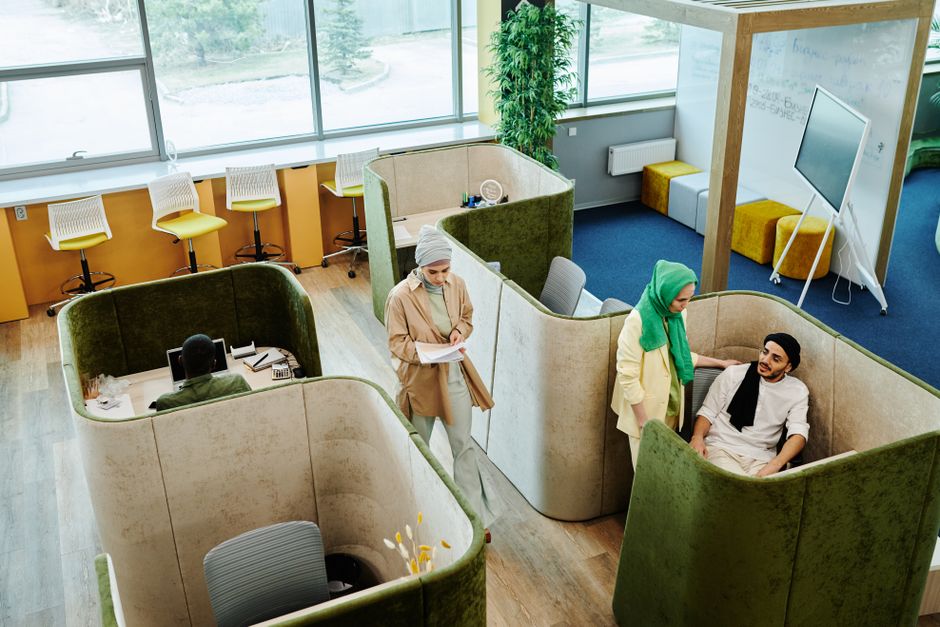
The evolution of the modern workspace has undergone a seismic shift, moving away from the rigid, cubicle-heavy environments of the twentieth century toward a more fluid, hybrid model. As professionals increasingly balance remote and office-based responsibilities, the fundamental requirements of a productive environment have changed. Today, the focus is not merely on having a desk, but on cultivating an ecosystem that supports cognitive performance. This shift has birthed the rise of “deep-work” furniture—specifically, acoustic, ergonomic pods—designed to provide the sanctuary necessary for high-level concentration in an age of constant connectivity.
The Evolution of Spatial Planning
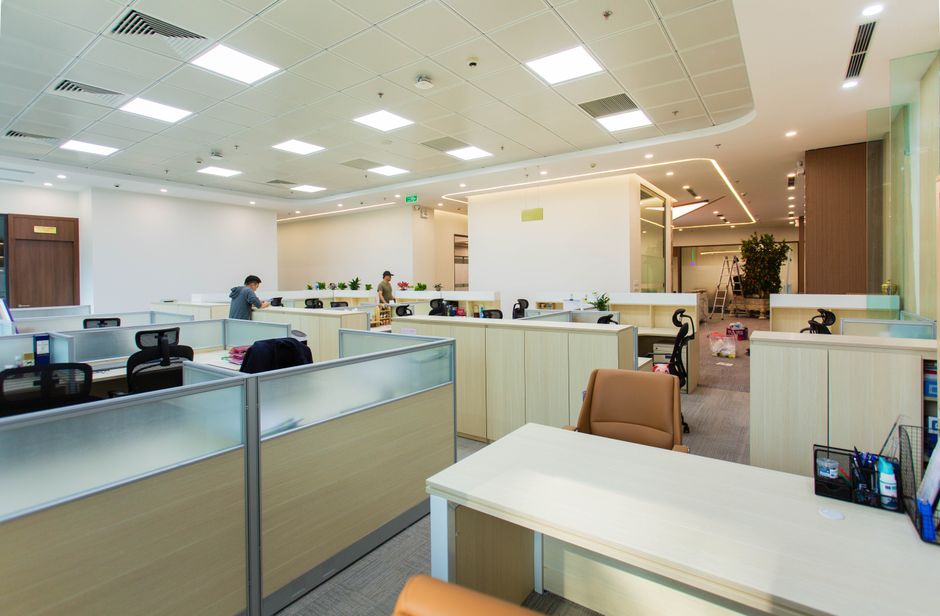
The contemporary workforce has redefined what it means to be productive. The forced transition to home-based work during the pandemic acted as a global experiment in spatial planning, revealing a critical truth: when employees are granted the autonomy to choose their environment, they prioritize flexibility and freedom. However, this newfound freedom also highlighted a significant gap in traditional open-plan office designs and home offices alike: the lack of dedicated, distraction-free zones.
Industry leaders, such as Framery, have been at the forefront of addressing these new demands. By recognizing that the workspace must accommodate both collaborative engagement and intense, individual focus, designers are moving toward a modular approach. This “flexible by design” philosophy allows organizations and homeowners to treat space as a dynamic asset rather than a static footprint. Whether in a corporate headquarters or a high-end home office, the goal is to integrate enclosed, soundproofed environments that can be reconfigured as needs evolve.
The Anatomy of the Deep-Work Pod
Modern pods are far more than simple partitions. They represent a sophisticated synthesis of acoustic engineering, ventilation technology, and ergonomic design. A primary requirement for deep work is the mitigation of sensory overload. Acoustic pods utilize sound-dampening materials to create a vacuum of silence, allowing the user to enter a flow state without the intrusion of ambient noise. Furthermore, integrated ventilation systems ensure that air quality remains high, preventing the fatigue that often accompanies prolonged work in smaller, enclosed spaces.
The versatility of these units is evident in their varied scaling. For the individual, designs like the Framery One Compact provide a focused environment specifically tailored for phone calls, video conferencing, or uninterrupted writing. On the other end of the spectrum, larger units like the Framery Six cater to small team collaborations, measuring nearly eight feet wide and over eight feet deep. This range demonstrates that the “pod” concept is not limited to solitary work but is a broader solution for creating contained, high-performance environments within larger, open-plan spaces.
The Impact of Hybrid Environments on Productivity

The hybrid concept—pairing shared, open areas with closed, contained spaces—is revolutionizing how companies approach workflow. In a traditional open office, the trade-off is often between collaboration and distraction. By incorporating pods, designers can offer the best of both worlds: a vibrant, communicative atmosphere for team brainstorming and a secure, quiet harbor for the deep, analytical tasks that drive long-term value.
The widespread adoption of this technology speaks for itself. With over 110,000 units delivered to 104 countries, the global appetite for integrated work pods is clear. Notably, approximately 70 percent of all Fortune 100 companies have integrated these solutions into their office infrastructure. This mass adoption underscores a transition from treating pods as a luxury amenity to viewing them as an essential component of modern business infrastructure.
Designing for the Modern Home Office
For the home office, the challenge is often aesthetic integration. Unlike corporate environments, where utility often dictates form, the home office requires a balance between professional performance and domestic comfort. The rise of sophisticated, customizable pods allows remote workers to carve out a “room within a room.” These units provide the psychological boundary necessary to separate work life from home life, a crucial factor in maintaining mental well-being in a remote-first world.
When selecting or designing space for a pod, consider the following factors:
- Acoustic Performance: Ensure the pod is rated for both sound insulation (keeping noise out) and sound absorption (keeping your voice in).
- Ventilation Efficiency: Look for systems that cycle air at a rate sufficient to maintain comfort without creating distracting white noise.
- Connectivity: Modern pods should include integrated power outlets, USB ports, and optimal lighting to support high-end hardware.
- Spatial Footprint: Measure the clearance carefully, ensuring there is room for the door to swing and for adequate airflow around the unit.
Frequently Asked Questions
What is the primary benefit of using a workspace pod?
The primary benefit is the creation of a distraction-free, soundproofed environment that fosters deep work. By isolating the user from ambient noise and visual interruptions, these pods facilitate higher levels of cognitive focus and productivity that are often impossible to achieve in open-plan offices or busy home environments.
Can these pods be moved or reconfigured?
Yes. The hallmark of high-quality modern pods is their flexibility. Many systems are designed to be “flexible by design,” meaning they can be moved within an office layout or even relocated to different rooms in a home, provided the space and power requirements are met. This modularity allows the workspace to adapt to the changing needs of the user or the organization.
Are these pods suitable for video conferencing?
Absolutely. In fact, they are ideal for video conferencing. Because they are soundproofed, they provide the privacy needed for sensitive calls, and they act as a controlled environment for lighting and background, ensuring a professional appearance during virtual meetings.
Do I need specialized installation for a home office pod?
While many pods are designed for straightforward assembly, they often require a level, sturdy floor and access to a power source. It is recommended to consult with the manufacturer regarding specific weight-bearing requirements and electrical needs before installation to ensure the unit performs optimally.
Conclusion
The rise of deep-work furniture signifies a maturation in how we view the workspace. We have moved past the era of aesthetic-over-function, entering a period where the physical design of our surroundings is recognized as a vital pillar of professional success. By embracing ergonomic, soundproofed pods, individuals and organizations alike are investing in the most precious commodity of the modern economy: attention. As we continue to navigate the complexities of hybrid work, the ability to curate our environment—to create silence in a noisy world and focus in a distracted one—will remain a decisive factor in our professional output and personal satisfaction. The future of the office is not just about where we sit, but about how effectively that space allows us to think.