
The fashion industry stands at a critical juncture. For decades, the reliance on resource-intensive animal hides and energy-draining synthetic textiles has defined the luxury and mass-market sectors alike. Today, a new wave of biotechnology is shifting the narrative, moving beyond simple plant-based alternatives to true bio-synthetic innovation. By leveraging precision fermentation and advanced tissue engineering, scientists are now creating materials that are molecularly indistinguishable from traditional textiles, offering a glimpse into a future where sustainable luxury is grown in a lab rather than harvested from the earth.
The Science of Bio-Fabrication
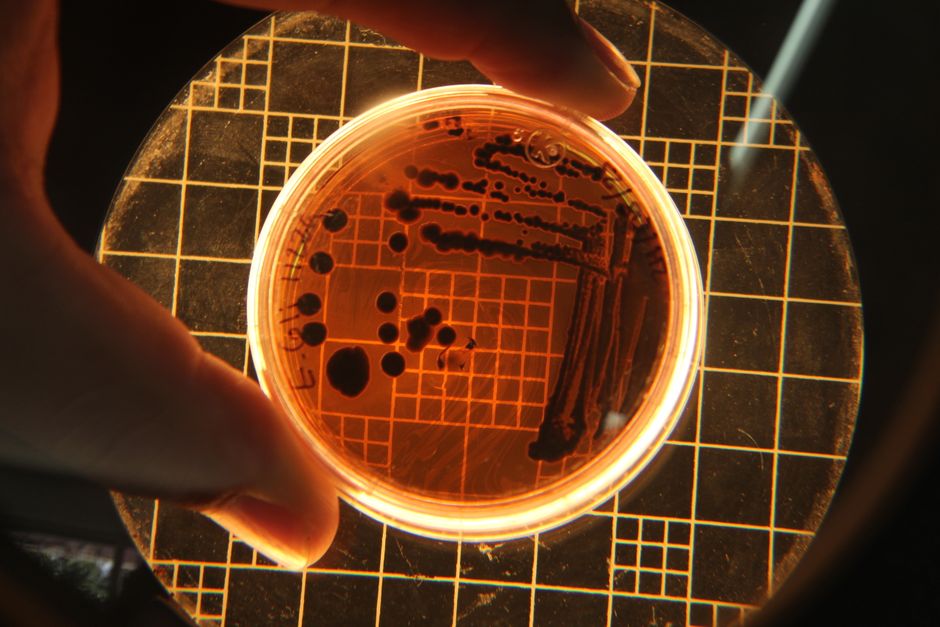
Bio-synthetic accessories represent a paradigm shift in how we conceive of raw materials. Unlike traditional manufacturing, which relies on extraction and heavy processing, bio-fabrication utilizes living cells, microorganisms, or yeast to produce structural proteins. This process, often referred to as precision fermentation, involves feeding microorganisms with plant-based sugars or agricultural residues. These organisms then produce proteins that can be spun into fibers, creating materials that mimic the strength, elasticity, and softness of natural silk or the complex collagen matrix of leather.
The transition toward using non-edible agricultural residues as feedstock is a significant step forward for the industry. By moving away from food-grade crops like corn, companies are addressing valid ethical concerns regarding the competition between fashion raw materials and global food supplies. This evolution in feedstock sourcing, combined with a cleaner energy mix in production facilities, is essential for these materials to earn their place as a truly sustainable future for fashion.
Lab-Grown Leather: Redefining Luxury

For years, the quest for a cruelty-free, sustainable leather substitute has been hampered by a persistent problem: the hand-feel. While synthetic vegan leathers have existed for decades, they often rely on plastic polymers that lack the breathability and aging characteristics of animal hide. Lab-grown leather changes this equation by replicating the biological structure of skin itself.
Lab-Grown Leather Ltd, a subsidiary of BSF Enterprise PLC, is at the forefront of this movement. Utilizing their proprietary Advanced Tissue Engineering Platform, they are cultivating leather from immortalized fibroblast cell lines. By avoiding synthetic scaffolding and additives, they aim to produce a material that possesses the same structural integrity as traditional leather. This approach is not merely about replacing an animal product; it is about creating a high-performance, durable textile that meets the rigorous aesthetic standards of luxury fashion houses while entirely bypassing the environmental and ethical costs of industrial livestock farming.
Scaling the Technology
Despite the promise of these materials, the path to mass market adoption is paved with logistical challenges. The industry has learned that growing materials at scale requires significant capital and operational efficiency. For instance, the mycelium leather sector, which utilizes mushroom roots grown on substrates, has faced notable hurdles in volume economics. Recent shifts in the industry—such as major players moving away from internal manufacturing to external sourcing models—highlight the difficulty of balancing high-tech production with the scale required by the global fashion market.
| Material Family | Production Method | Primary Constraint |
|---|---|---|
| Precision-Fermented Proteins | Microbial fermentation of plant sugars into spun fibers | Limited output relative to the global fiber market |
| Mycelium Leather | Fungal mycelium grown on substrate, tanned, and finished | Capital intensity and volume scaling |
| Cell-Cultured Leather | Advanced tissue engineering from fibroblast cell lines | High R&D costs and complex bio-processing |
The Rise of Bio-Synthetic Silk
Traditional sericulture has long been criticized for its reliance on silkworms and the energy-intensive boiling processes required to extract fibers. Bio-synthetic silk, often produced through precision fermentation, offers a compelling alternative. By genetically programming yeast cells to secrete specific proteins, manufacturers can create fibers that mirror the tensile strength and luster of spider silk without the need for farming insects.
While early iterations of this technology, such as those seen in experimental dresses and accessories, proved that the material could achieve a high-end finish, the challenge remains in the stability of the fermentation process. Subtle fluctuations in pH or temperature can disrupt production, making consistent quality a hurdle. Nevertheless, as production plants—such as those established in Thailand for brewed protein—continue to optimize these systems, we can expect to see more bio synthetic accessories entering the market, from durable knitwear to high-performance textiles.
Frequently Asked Questions
Are lab-grown textiles truly biodegradable?
Many bio-fabricated materials are engineered to be fully biodegradable at the end of their lifecycle. Because they are composed of natural proteins or organic fibers, they are designed to break down into organic matter. However, the final biodegradability is often dictated by the finishing agents, dyes, and coatings applied during the manufacturing process, which can sometimes impede the decomposition process.
How does the feel of lab-grown leather compare to animal leather?
Technological advancements have made it increasingly difficult to distinguish between high-quality lab-grown materials and traditional leather. Because these materials are grown to mimic the collagen structure of animal hides, they possess a similar hand-feel, breathability, and durability. Luxury brands are currently using these materials to prove that sustainability does not require a compromise in aesthetic quality.
Is this technology limited to leather alternatives?
While leather alternatives have garnered the most attention, biotechnology is being applied to a wide range of fibers. This includes lab-grown spider silk, which is renowned for its extreme tensile strength and elasticity, as well as bio-engineered cellulose-based fabrics. The scope of biofabrication is limited only by our ability to map the genetic sequences of natural fibers, meaning we are likely to see a vast array of new textures and properties in the coming years.
Conclusion
The move toward bio-synthetic materials is more than a trend; it is a fundamental restructuring of the fashion supply chain. While lab-grown leather companies and innovators in the silk space continue to grapple with the complexities of scaling production and refining feedstock sources, the trajectory is clear. By decoupling fashion from animal agriculture and petroleum-based synthetics, we are entering an era where the items in our wardrobe can be as sustainable as they are sophisticated. As costs decrease and production capacities expand, these bio-engineered fabrics will transition from niche, high-concept collaborations into the foundation of a modern, circular, and ethically sound fashion industry. The future of our accessories lies in the lab, where science and style converge to create a more resilient world.