

The intersection of haute couture and horticulture has birthed a captivating movement known as bio-jewelry. Moving beyond traditional gemstones and precious metals, this trend celebrates the vitality of the natural world by incorporating living elements directly into our personal style. From delicate succulent-adorned headbands to statement pendants, these pieces jewelry made from living plants represent a shift toward a more symbiotic relationship with the items we wear. As consumers increasingly prioritize sustainability and organic aesthetics, bio-jewelry offers a unique way to wear nature, turning the human body into a literal canvas for botanical artistry.
The Evolution of Botanical Adornment
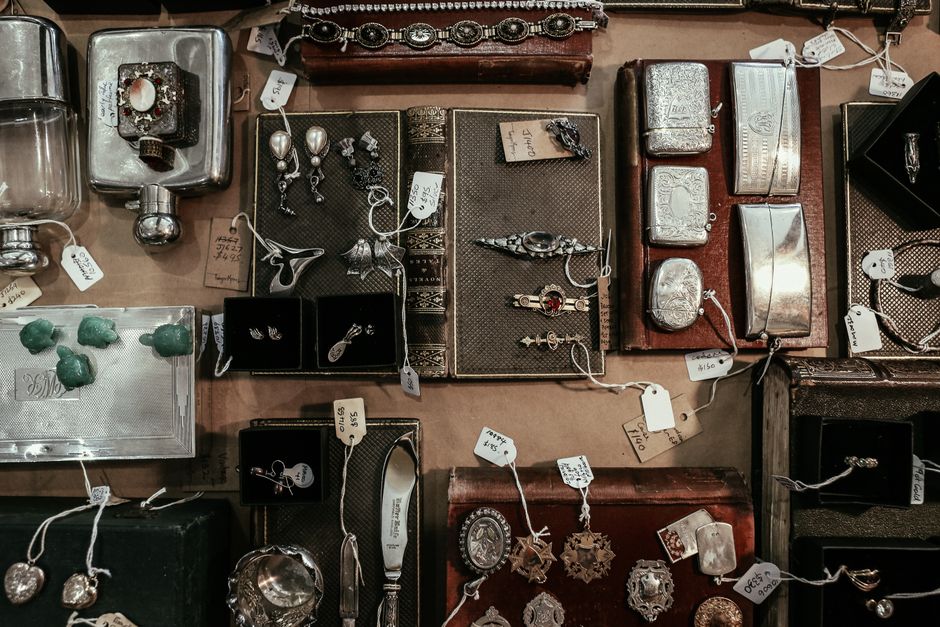
For centuries, humans have adorned themselves with flowers and greenery, but the modern bio-jewelry trend elevates this practice through structural design and preservation techniques. Unlike a fleeting corsage, these stunning pieces jewelry are designed to be temporary, living accessories that evolve over time. By utilizing hardy, drought-tolerant species like sedum rosettes and string-of-pearls, designers have created a niche where fashion functions as a micro-ecosystem. These items challenge the conventional definition of luxury, suggesting that the true value of an accessory lies in its life cycle and its connection to the environment.
The Anatomy of Living Accessories
Creating these pieces requires a delicate balance between artistic vision and botanical health. The most common method involves a base layer of dry moss, which acts as a nutrient-dense, moisture-retaining anchor for plant cuttings. This moss base provides the structural integrity needed for the plants to root and thrive while attached to a wearable object like a hat, bracelet, or brooch. Interestingly, while the thought of using a hot-glue gun on a plant seems counterintuitive, it is a standard practice in the industry. When applied correctly, the glue adheres the plant tissue to the moss without damaging the cellular structure, allowing the succulent to remain dormant yet alive until it begins to root into the moss foundation.
Design Versatility and Maintenance
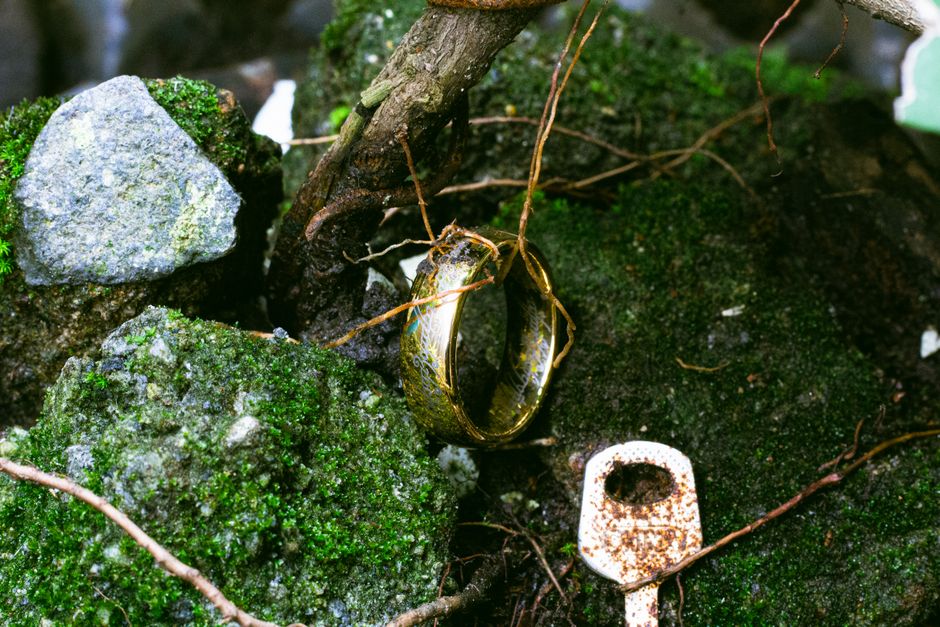
The beauty of jewelry made living is its inherent adaptability. Whether you are aiming for a minimalist aesthetic with a single, perfectly formed succulent rosette or an avant-garde look featuring a cascade of trailing vines, the design possibilities are endless. However, the commitment to wearing living items requires a degree of care. These accessories are not “set it and forget it” items; they require periodic misting and, depending on the environment, occasional sunlight to maintain their vibrant hues and structural integrity.
Permanent Alternatives: The Sculpey Approach
For those who admire the aesthetic of bio-jewelry but lack the time for botanical maintenance, the trend has expanded to include synthetic alternatives. Using oven-bake modeling clay, such as Sculpey, artists can replicate the intricate textures and geometric perfection of succulents. These pieces offer the visual impact of living jewelry without the need for moss, water, or light. By hot-gluing these clay creations to accessories, wearers can enjoy a sustainable, permanent fashion statement that mimics the organic beauty of the natural world for the life of the item.
Why Bio-Jewelry Resonates in Modern Fashion
The rise of this trend is deeply rooted in the broader movement toward eco-conscious living. As the fashion industry faces scrutiny for its environmental impact, consumers are gravitating toward products that feel grounded, authentic, and interconnected with the planet. Wearing a living piece of jewelry serves as a daily reminder of our responsibility to nature. It is a form of wearable art that changes, grows, and eventually returns to the earth, contrasting sharply with the permanence of mass-produced, non-biodegradable accessories.
Frequently Asked Questions
What is the most ethical metal for jewelry?
When selecting metal for jewelry, recycled gold and silver are widely considered the most ethical choices. By utilizing metals that have already been mined and processed, you significantly reduce the demand for new, environmentally destructive mining practices. Additionally, look for certifications like Fairmined or Fairtrade, which ensure that the miners are treated fairly and that the extraction process adheres to strict environmental standards. Choosing recycled metals helps minimize the heavy carbon footprint associated with traditional jewelry manufacturing.
What are some eco-friendly jewelry options available?
Beyond living plant jewelry, there are several ways to accessorize sustainably. Vintage and antique jewelry is one of the most eco-friendly options, as it breathes new life into existing pieces without requiring new resources. Laboratory-grown diamonds and gemstones are another excellent choice, as they possess the same chemical and physical properties as mined stones but are created in controlled environments with far less ecological disruption. Additionally, materials like wood, tagua nut, and recycled glass provide beautiful, natural alternatives to traditional materials.
What are some eco-friendly jewelry brands?
The market for sustainable jewelry has expanded rapidly. Brands such as Mejuri are known for their transparency and use of recycled materials. Wwake is another brand that focuses on ethically sourced stones and recycled gold. For those looking for something more unconventional, many independent artists on platforms like Etsy specialize in bio-jewelry or upcycled materials, offering one-of-a-kind pieces that prioritize the planet. When shopping, always look for brands that provide clear information about their supply chain, labor practices, and the origin of their materials.
Conclusion
The trend of integrating living moss and succulents into wearable accessories represents a refreshing departure from the static nature of traditional jewelry. By embracing pieces jewelry made from living plants, we invite a sense of wonder and environmental awareness into our everyday wardrobes. Whether you opt for the care-intensive, rewarding experience of a real succulent bracelet or the enduring charm of clay-modeled alternatives, bio-jewelry allows you to express your personal style through the lens of nature. As we continue to seek ways to align our fashion choices with our values, these stunning pieces jewelry serve as a beautiful testament to the power of living, breathing design.