

In the fast-paced world of beauty, we often obsess over which ingredients to layer or the order of our serums, yet we frequently overlook the most powerful variable in our skincare regimen: time itself. Your skin is not a static organ; it follows a sophisticated internal clock known as the circadian rhythm. This biological cycle dictates everything from immune function to cellular regeneration, creating a distinct shift in your skin’s needs between sunrise and sunset. By syncing your products with these natural fluctuations, you can transition from a generic routine to a high-performance strategy that works in harmony with your body’s own healing processes. This is the essence of the Skin-Sync revolution, a shift toward chronobiology-informed beauty that promises more resilient, radiant, and youthful-looking skin.
The Science of Skin-Syncing: Understanding Your Biological Clock

The skin’s circadian rhythm is essentially a 24-hour cycle driven by internal genes that regulate cellular activity. Understanding this rhythm is the key to unlocking the full potential of your skincare products. During the daylight hours, your skin is in a state of high alert. As your largest organ, it functions as a primary barrier against environmental aggressors, including UV radiation, pollution, and pathogens. Because of this, the body prioritizes defense and energy production during the day. Genes associated with immune activity and protection are more active, preparing the skin to mitigate the damage caused by free radicals and ultraviolet exposure.
As the sun sets, your skin undergoes a fundamental physiological shift. The focus moves away from external defense and toward internal restoration. This is when cellular turnover reaches its peak, with skin cell division often hitting its highest point around midnight. Simultaneously, the skin engages in the programmed removal of damaged or abnormal cells. This nightly repair cycle is vital for long-term skin health, yet it is also a time when the skin becomes more vulnerable to transepidermal water loss (TEWL). Because the skin barrier changes permeability at night, it becomes more receptive to active ingredients, making it the perfect window for treatments that require deeper absorption.
Daytime: The Protection Protocol
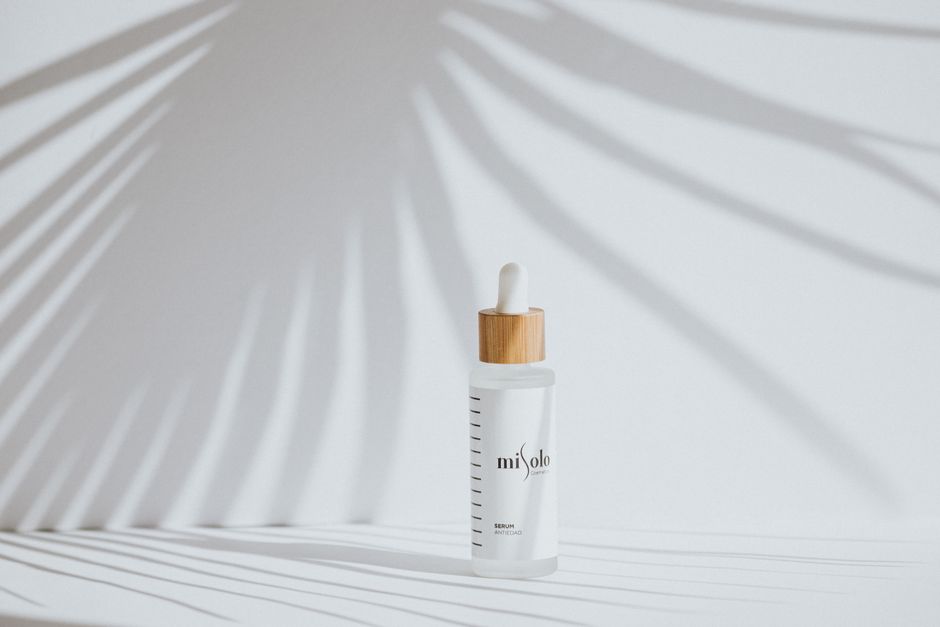
To master the Skin-Sync revolution, your morning routine must be dedicated to fortification. Since your skin is naturally primed for defense, you want to provide it with the tools necessary to neutralize environmental stressors before they can trigger inflammation or premature aging.
The Essential Morning Ingredients
Antioxidants are the non-negotiables of a daytime routine. Ingredients like vitamin C, ferulic acid, resveratrol, green tea, and niacinamide act as a secondary defense system, neutralizing free radicals that bypass your natural barrier. You should also incorporate barrier-supporting ingredients such as ceramides, glycerin, hyaluronic acid, and squalane to maintain hydration throughout the day. Finally, broad-spectrum sunscreen is the most critical step. While sunlight helps regulate your sleep-wake cycle, excessive UV exposure is the primary driver of photo-aging and DNA damage. Applying an SPF of 30 or higher is the final, essential act of protection that seals your morning sync.
Nighttime: The Repair and Regeneration Phase
Once the sun goes down, your strategy must pivot entirely. Because your skin is in a heightened state of repair and its permeability is naturally increased, the evening is the optimal time to introduce potent actives that stimulate renewal. Research shows that aquaporin 3, a channel that regulates water and glycerol in the epidermis, is influenced by circadian clock genes and contributes to increased skin permeability at night. This biological reality explains why many people experience dryness and itching in the evening, but it also means that your high-performance serums can penetrate more effectively than they would during the day.
Why Timing Matters for Actives
Retinoids, including retinol, retinaldehyde, and prescription tretinoin, are the gold standard for nighttime repair. These ingredients promote accelerated cell turnover, improve pigmentation, and stimulate collagen synthesis. However, they are also sensitive to UV light and can increase photosensitivity. Using them at night is not just a suggestion; it is a necessity for efficacy and safety. Similarly, peptides are highly effective at night, providing the building blocks the skin needs to rebuild its structure while you sleep. By concentrating these heavy-hitting ingredients in your evening routine, you are effectively “feeding” your skin exactly when it is most hungry for restoration.
The Role of Circadian Rhythm Apps
With the rise of chronobiology in wellness, several apps have emerged to help users track their sleep quality and daily rhythms. While there is no “magic button” to fix skin, utilizing an app to track your sleep-wake cycle can provide invaluable data. If you are consistently going to bed late, you are cutting your skin’s peak repair window short. Apps that monitor your sleep stages help you identify whether you are getting enough deep sleep, which is when the body’s most restorative repair processes occur. By aligning your bedtime with a consistent rhythm, you ensure that your skin has the uninterrupted time it needs to complete its regeneration cycle.
FAQ: Frequently Asked Questions
What is the best app to track my skincare routine?
While specific apps for skincare tracking are constantly evolving, look for platforms that allow you to log both your products and your sleep quality. Apps like Skin Bliss or simple habit-tracking apps can help you note when you apply specific actives. The best app is one that encourages consistency and allows you to correlate your product usage with your sleep patterns to see what works best for your complexion.
What is the Korean 7-skin method?
The 7-skin method is a hydration-focused technique that involves applying a watery toner or essence to the skin seven times in succession. The goal is to deeply hydrate the skin layers without using heavy creams. While this can be done at any time, it is particularly effective in the evening when the skin’s permeability is high, allowing for maximum water absorption.
What is the 4-2-4 rule in skincare?
The 4-2-4 rule is a popular cleansing routine designed to ensure the skin is perfectly prepped for nightly repair. It involves spending four minutes massaging the face with an oil cleanser to dissolve makeup and sebum, two minutes with a water-based foaming cleanser to remove impurities, and four minutes rinsing with lukewarm and then cool water to stimulate circulation. This thorough cleansing is the perfect precursor to the nightly repair phase.
What is the best time of day to sleep for skin repair?
From a dermatological perspective, the most restorative sleep occurs when your circadian rhythm is aligned with the natural light-dark cycle. Going to bed late is generally bad for your skin, as it disrupts the timing of cellular division and repair, which often peaks around midnight. Aiming for a consistent bedtime that allows for 7 to 9 hours of sleep—ideally starting before or around 11:00 PM—is the best way to support your skin’s natural regeneration processes.
Conclusion
Embracing the Skin-Sync revolution is about more than just buying the right products; it is about respecting the biological intelligence of your own body. By shifting your focus to protection during the day and repair during the night, you work with your skin’s natural design rather than against it. Whether you are using a sophisticated circadian rhythm app to optimize your sleep or simply ensuring your retinoids are applied exclusively at night, these small, time-conscious adjustments can lead to profound results. When your skincare routine is in sync with your internal clock, you aren’t just applying lotions and potions—you are supporting the very processes that keep your skin healthy, resilient, and glowing from the inside out.