
The Ancestral Athletic Revolution: Reclaiming Human Movement

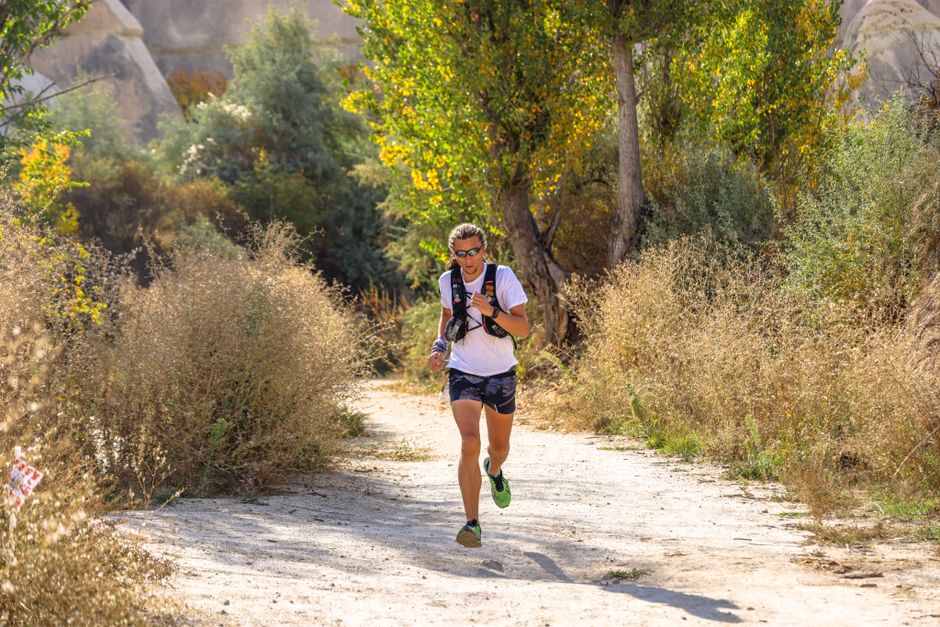
For decades, the sports industry has been locked in a technological arms race. Manufacturers have long promised that increased cushioning, rigid carbon plates, and elaborate arch supports are the keys to athletic dominance. However, a quiet revolution is unfolding in elite training facilities, rugby pitches, and track complexes worldwide. High-performance athletes are increasingly shedding bulky trainers in favor of a return to basics. This movement, often termed ancestral athletics, posits that human movement evolved over millions of years to function optimally without the interference of restrictive modern footwear. By embracing barefoot training, athletes are rediscovering foundational mechanics, aiming to mitigate chronic injury and unlock untapped physical potential.
The Science of the Sole: Why Modern Footwear Fails
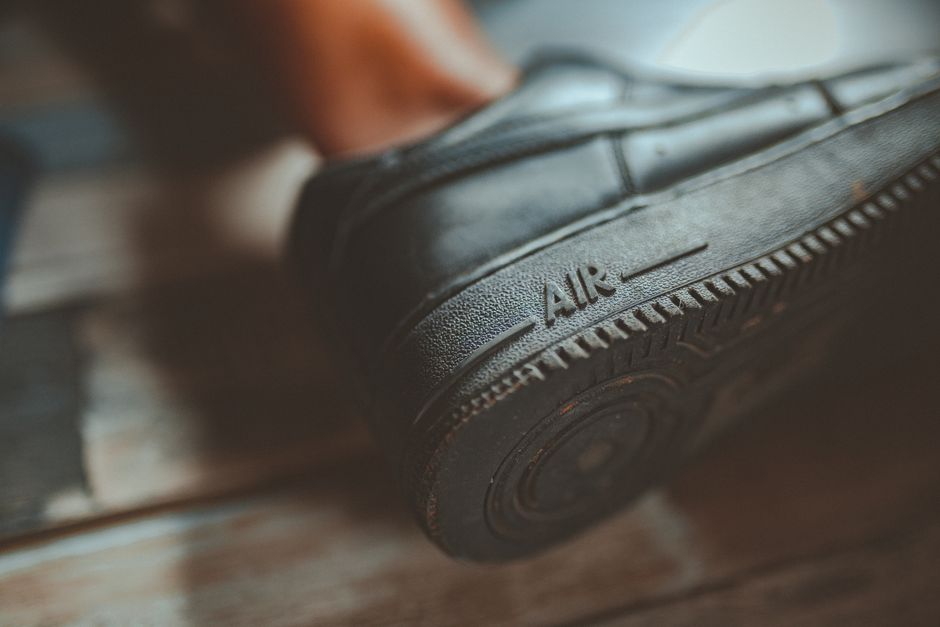
The human foot is an engineering marvel, containing 26 bones, 33 joints, and over 100 muscles, tendons, and ligaments. When confined within the rigid, narrow toe boxes and elevated heels of traditional sneakers, these structures are effectively placed in a cast. Over time, this leads to muscle atrophy and a loss of vital sensory feedback.
The Proprioceptive Blind Spot
Research confirms that the foot is designed to act as a dynamic sensor. When the soles of the feet have direct contact with the ground, proprioception—the body’s ability to sense its position in space—is significantly enhanced. This sensory input informs the brain about terrain, balance, and force distribution, allowing for micro-adjustments that prevent injury and improve agility. Insulating the foot from the ground essentially blinds the nervous system to the environment.
Intrinsic Muscle Activation
The primary argument for training barefoot lies in the activation of the foot’s intrinsic muscles. These small muscles, located entirely within the foot, provide stability to the arch and toes. Studies, such as Daily activity in minimalist footwear increases foot strength (Curtis, 2021), demonstrate that walking in minimalist footwear significantly increases the cross-sectional area of foot muscles. For athletes, this translates to a more stable base, improving force transfer during explosive movements like sprinting, cutting, or jumping.
Comparative Analysis: Traditional vs. Minimalist Footwear
| Feature | Traditional Athletic Shoe | Minimalist/Barefoot Shoe |
|---|---|---|
| Heel-to-Toe Drop | High (8-12mm) | Zero (0mm) |
| Toe Box | Narrow/Tapered | Wide/Anatomical |
| Cushioning | High/Rigid | Minimal/Flexible |
| Proprioception | Low | High |
| Primary Goal | Comfort/Support | Strength/Function |
Practical Applications for Athletes
Integrating Barefoot Training into Soccer
Soccer players are ideal candidates for this transition. The sport requires rapid changes of direction, precise balance, and constant impact. Many players suffer from chronic knee and ankle issues due to the restrictive nature of traditional cleats. Incorporating barefoot training into a weekly regimen helps to fortify the ligaments around the ankle and strengthens the arches. While players cannot compete barefoot, using minimalist shoes during technical drills builds the resilience necessary to perform at a higher level in match-day boots.
The Transition Process
Transitioning from cushioned footwear must be handled with care to avoid injury. The foot has likely spent years adapting to a heel-to-toe drop, meaning calf muscles and Achilles tendons are often tight. Athletes should follow this progressive approach:
- Start slow: Begin by walking barefoot at home or in a gym setting.
- Gradual load: Introduce light plyometrics only after initial adaptation.
- Select proper gear: Choose shoes that offer zero drop and a wide toe box to allow for natural toe splay.
Injury Prevention and Kinetic Alignment
Abandoning traditional footwear helps correct faulty gait patterns. Modern cushioned shoes encourage a heel-strike, which sends shockwaves through the ankle, knee, and hip joints. Barefoot training encourages a mid-foot or forefoot strike, engaging the natural spring mechanism of the lower leg to disperse impact forces more efficiently.
Frequently Asked Questions
Can barefoot training increase my sprint speed?
Yes. By strengthening the intrinsic muscles of the foot and improving the efficiency of the gait cycle, athletes often experience improved ground reaction forces, acting as a better lever for acceleration.
Are there risks to barefoot training?
The primary risk is overtraining. If an athlete moves too quickly into high-intensity work, they may develop stress fractures or tendonitis. View this as a progressive strength training program for the feet.
What should I look for in barefoot training shoes?
Prioritize a zero-drop platform, a thin sole for ground feel, and a wide toe box. Avoid built-in arch support or rigid structural elements.
How long does the transition take?
Adaptation generally takes several months. Focus on consistency over intensity, incorporating barefoot movements into warm-ups before moving to high-impact field sports.
Conclusion
The rise of ancestral athletics is a return to physiological common sense. By prioritizing foot health, athletes create a robust foundation that supports the entire kinetic chain. Whether you are an elite competitor or a recreational athlete, the path to high performance starts from the ground up. Invest in the strength of your feet, and the rest of your body will follow suit.