
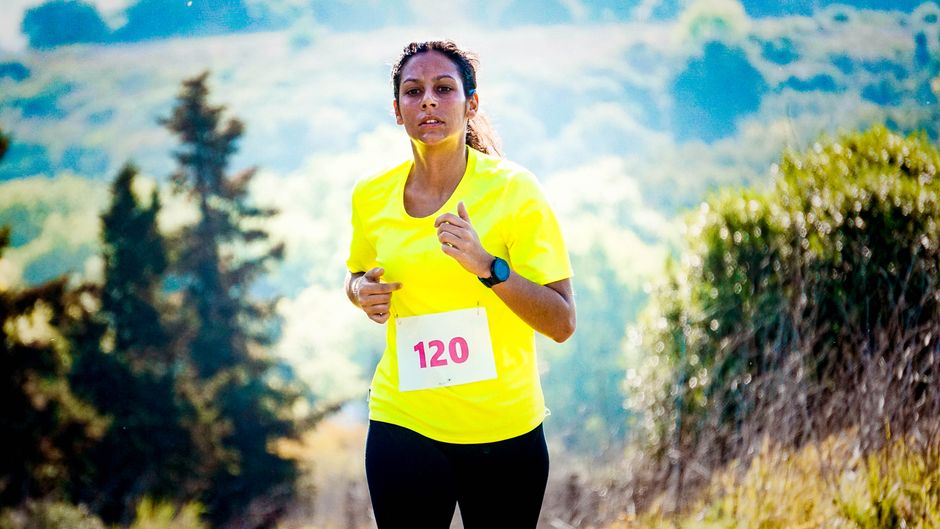
For decades, the intersection of athletic performance and traditional dress codes was marked by compromise. Athletes who chose to wear the hijab often faced the physical limitations of standard textiles—heavy fabrics that trapped heat, pins that posed safety risks during high-intensity movement, and designs that lacked the aerodynamic properties required for elite competition. Today, that narrative has shifted. The rise of adaptive modesty represents a fundamental transformation in how the industry approaches design, proving that performance fashion can be both culturally resonant and technologically superior. As major global brands and independent innovators lean into this space, the tech-integrated hijab has emerged as a cornerstone of the modern athletic wardrobe, redefining what it means to be a Muslim woman in the world of sports.
The Evolution of Technical Textiles in Modest Wear
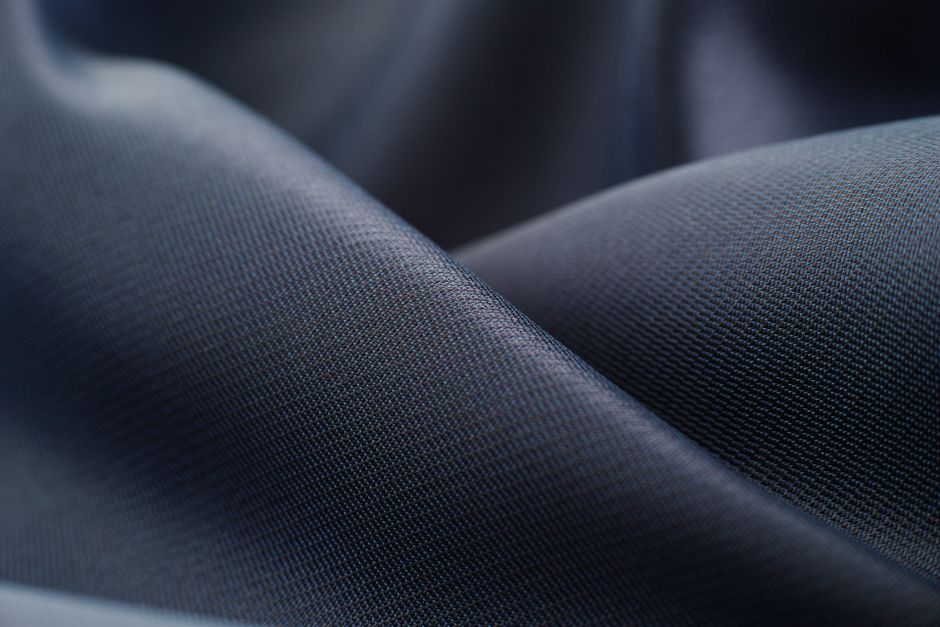
The primary driver behind the popularity of the performance hijab is the application of advanced material science. Historically, modest fashion was relegated to materials that were not designed for the rigors of high-intensity training. The transition to technical textiles has been a game-changer. By incorporating moisture-wicking properties, lightweight mesh ventilation, and four-way stretch, designers are solving the friction between traditional dress and athletic utility.
From Traditional Fabrics to Performance Engineering
The move toward high-performance materials like Dri-FIT and lightweight polyester blends allows for optimal thermoregulation. These fabrics are engineered to pull sweat away from the skin, a critical feature for athletes training in diverse climates. By utilizing seamless construction and laser-cut perforations, brands have successfully reduced the weight and bulk traditionally associated with head coverings, allowing for a streamlined silhouette that does not compromise on coverage.
Safety and Ergonomics as Design Priorities
A significant hurdle in the past was the reliance on straight pins to secure a hijab during physical activity, which presented a clear safety hazard. Modern design innovations have replaced these with ergonomic, pull-on styles that prioritize security and ease of use. Magnetic closures and adjustable internal bands ensure that the garment remains in place during sprinting, swimming, or contact sports, providing the wearer with the confidence to focus entirely on their performance rather than their attire.
The Role of Social Media in Scaling the Modest Movement

The rapid adoption of these products is not merely a result of corporate initiatives; it is deeply rooted in the influence of social media. Platforms like Instagram and TikTok have provided a global stage for women to showcase their athletic journeys while normalizing the presence of the hijab in mainstream sports. This digital visibility has created a powerful feedback loop where consumer demand directly influences product development.
Building Community and Demand
Social engagement has dismantled the old industry assumption that there was no significant market for performance-oriented modest wear. By sharing their experiences with new products, athletes and fitness influencers have pressured brands to be more inclusive. This grassroots advocacy has been essential in moving modesty from a niche concern to a central pillar of global sportswear collections. When a brand launches a new iteration of a performance hijab, the digital conversation immediately provides data on what works, what needs improvement, and what the community desires next.
The Gen Z and Millennial Influence
Gen Z and Millennial consumers are the primary engines behind this growth. These demographics prioritize brands that reflect their personal values, including inclusivity and functionality. For these consumers, the hijab is not just a religious requirement but a functional piece of equipment. Their expectation that their clothing should work as hard as they do has pushed the industry to innovate at an unprecedented pace.
Market Growth and the Future of Inclusive Apparel
The modest fashion market is currently experiencing a period of rapid expansion, fueled by increased representation and a broader cultural shift toward inclusivity. According to industry reports, the demand for functional, inclusive apparel is expected to climb as more brands recognize the commercial viability of catering to a diverse global audience.
| Innovation Feature | Benefit to the Athlete | Historical Limitation |
|---|---|---|
| Moisture-wicking fabric | Improved thermoregulation | Heavy, sweat-retaining cotton |
| Pull-on, seamless design | Stability and comfort | Reliance on dangerous pins |
| Laser-cut ventilation | Breathability | Lack of airflow/overheating |
| Ergonomic fit | Aerodynamic performance | Bulkiness/drag |
Frequently Asked Questions
What makes a hijab specifically designed for sports different from a standard one?
A sports hijab is engineered with technical textiles that are lightweight, breathable, and moisture-wicking. Unlike standard hijabs made for daily wear, these are designed to prevent overheating and are constructed with ergonomic shapes that stay in place during rigorous physical activity without the need for pins.
How have major brands influenced the accessibility of modest activewear?
By entering the market with research-backed designs, major global brands have lent legitimacy to the category. Their ability to invest in R&D has resulted in high-quality products that are now widely available, signaling to the wider fashion industry that inclusivity is a standard, not an exception.
Is the rise of technical hijabs only about athletic performance?
While performance is the primary catalyst, the rise of these garments is also about empowerment. It represents a shift where modesty is no longer seen as a barrier to participation in any sector of society, including high-level athletics, professional environments, and everyday wellness activities.
Will these innovations influence other areas of fashion?
Yes. The principles applied to performance hijabs—such as the use of smart fabrics and ergonomic design—are already influencing broader modest fashion trends. We are seeing a spillover effect where casual wear is adopting the same lightweight, functional, and durable materials, making comfort a priority across all segments of the market.
Conclusion
The rise of adaptive modesty is a testament to the power of combining traditional values with modern innovation. By listening to the needs of Muslim athletes and leveraging the connectivity of social media, the fashion industry has successfully bridged the gap between personal identity and physical performance. As technical textiles continue to evolve, the distinction between high-performance gear and modest attire will likely vanish entirely, replaced by a new standard where clothing is designed to support every individual, regardless of their cultural or religious requirements. This movement is not merely a trend; it is a permanent evolution toward a more inclusive, functional, and representative future for global fashion.