
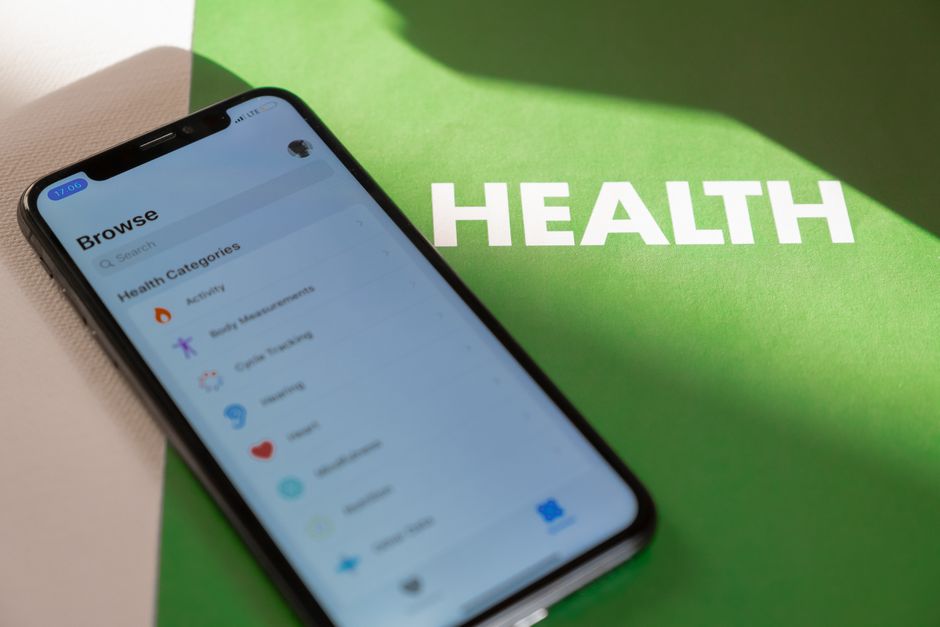
The Evolution of Wellness: How Gen Z is Redefining Self-Care
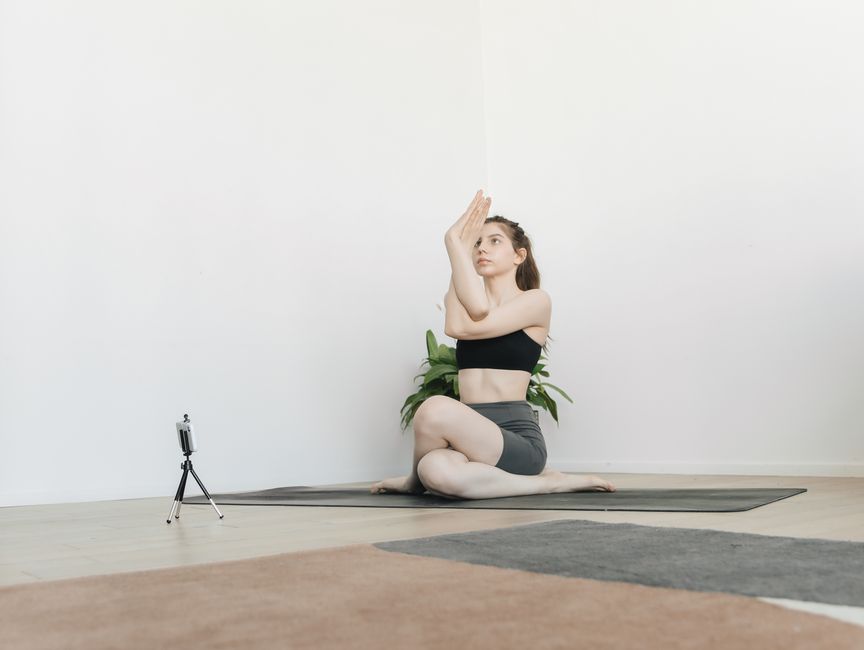
For a generation raised in the digital age, wellness is no longer an occasional luxury; it is a non-negotiable operational system. As we approach 2026, the traditional, intuition-based approach to health is being replaced by algorithmic self-care. This method leverages wearable technology and AI-driven apps to transform subjective feelings into objective, actionable metrics. By quantifying everything from sleep architecture to cortisol levels, Gen Z is moving toward a precision-based model of health.
The Shift: Quantified Self vs. Traditional Wellness
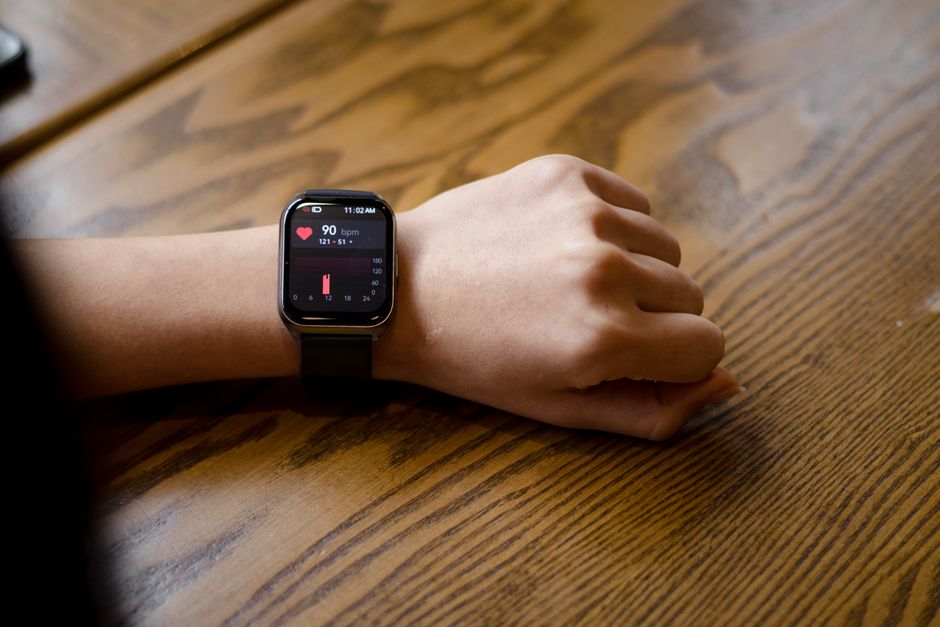
The transition from aesthetic-focused fitness to holistic physiological management marks a significant cultural shift. While previous generations often prioritized community-based classes or external appearances, Gen Z views the body as a data-generating engine that requires constant calibration. The goal is to identify stressors and physiological imbalances before they manifest as burnout or chronic illness.
Key Differences in Wellness Approaches
- Focus: Moving from aesthetic outcomes to performance and recovery metrics.
- Methodology: Replacing trial-and-error habits with data-backed feedback loops.
- Personalization: Using AI to interpret unique biological data rather than following generic influencer advice.
Data-Driven Wellness Trends
To navigate the saturated wellness market, it is essential to distinguish between fleeting fads and sustainable, measurable practices. The following table highlights the most effective trends currently utilized by Gen Z to optimize their daily performance.
| Trend Category | Primary Metric | Gen Z Application |
|---|---|---|
| Circadian Optimization | Sleep stages and latency | Aligning light exposure to peak cognitive windows. |
| Metabolic Monitoring | Glucose spikes | Optimizing nutrition to prevent energy slumps. |
| Stress Management | Heart Rate Variability (HRV) | Using biofeedback to regulate the nervous system. |
| Movement Tracking | Strain and recovery | Adjusting training intensity based on physical readiness. |
Practical Implementation Strategies
To successfully integrate these tools into your life, consider the following evidence-based steps:
- Establish a Baseline: Track your metrics for at least 30 days before making significant lifestyle changes to understand your unique biological rhythm.
- Prioritize Data Privacy: Choose platforms that offer transparency regarding how your biometric data is stored and used.
- Use Data as a Translator: View your wearable device as a tool to sharpen your internal awareness, not as a replacement for listening to your body.
Frequently Asked Questions
Is algorithmic self-care just overconsumption?
While tech purchases represent a financial commitment, many view these tools as long-term investments. By preventing burnout and optimizing recovery, users often reduce future costs associated with chronic stress and health issues, making this a proactive rather than reactive strategy.
How does this differ from the millennial approach?
Millennials largely focused on the social aspects of wellness, such as group yoga or boutique fitness communities. Gen Z’s approach is analytical and solitary, prioritizing individual physiological outcomes over social trends.
Can data reliance disconnect us from our bodies?
There is a risk of over-reliance; however, the most successful users treat data as a translator. When the data confirms what you feel—such as a low recovery score matching your feeling of fatigue—it builds trust in your own physiology and helps you make better decisions.
Conclusion
The move toward algorithmic self-care represents a maturation of the wellness industry. By replacing anecdotal advice with evidence-based paradigms, Gen Z is setting a new standard for health management. As AI continues to provide a more granular look at the human experience, the focus remains clear: using technology to sustain well-being in an increasingly complex world. This is not merely a trend; it is the logical evolution of self-care.