
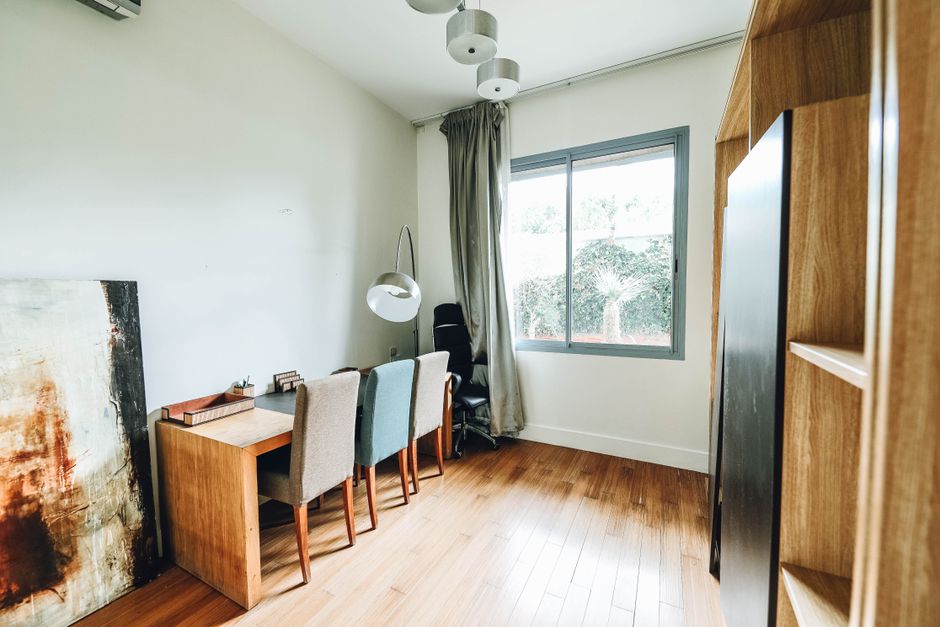
The quest for sustainable design has long been defined by a search for materials that reduce environmental impact without sacrificing structural integrity. As remote work becomes a permanent fixture of the modern professional landscape, the demand for dedicated, eco-conscious home offices has surged. Enter myco-architecture, a revolutionary approach to construction that utilizes the root structure of fungi to create living, breathing, and carbon-negative spaces. By harnessing the rapid growth cycles of mycelium, architects and designers are now exploring how building techniques can shift from extractive industrial processes to regenerative biological cycles.
The Biological Foundation of Myco-Architecture
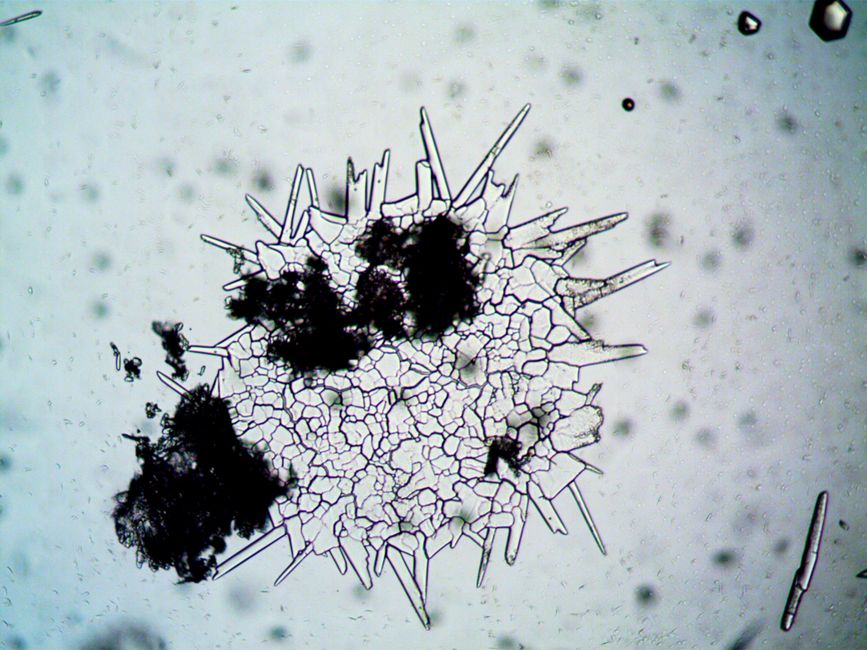
At the core of this movement is mycelium, the vegetative part of a fungus consisting of a network of fine white filaments called hyphae. In nature, this organism acts as a decomposer, breaking down organic matter and knitting it into a dense, fibrous web. When researchers and designers harness this natural process, they can grow custom components by introducing fungal spores to agricultural waste products—such as hemp hurds, sawdust, or corn husks—within a mold.
From Spore to Structure
The growth process is surprisingly efficient. Once the substrate is inoculated with mycelium, the fungi consume the organic material, binding it together into a solid, lightweight, and durable composite. This transformation typically occurs over a period of 5 to 7 days, a timeline that drastically outperforms the weeks or months required for traditional concrete curing. By controlling the environmental conditions, designers can influence the density and texture of the final product, effectively growing structural bricks or insulation panels that are perfectly tailored to the dimensions of a home office.
Advantages of Mycelium in Home Office Design
Integrating myco-materials into residential design offers a multitude of benefits, particularly for those seeking a quiet, insulated, and healthy workspace. The material properties of fungi are uniquely suited to the needs of a modern office.
Thermal and Acoustic Insulation
One of the most significant challenges in home office design is managing acoustics and thermal regulation. Mycelium composites possess natural insulating properties that rival synthetic materials like expanded polystyrene, but without the toxic chemical footprint. The porous nature of the fungal matrix acts as an excellent acoustic dampener, absorbing echoes and reducing noise bleed from the rest of the household. This creates a serene environment conducive to deep work, all while maintaining a consistent interior temperature.
Fire Resistance and Durability
A common misconception regarding bio-based materials is a lack of durability. However, engineered mycelium can be treated to be naturally hydrophobic and fire-retardant. Through specific dehydration and heat-treatment processes, the material becomes dormant and stable, ensuring it does not continue to grow or degrade once installed. This makes it a viable candidate for interior wall panels, ceiling tiles, and even load-bearing partitions in light-frame construction.
Sustainability: The Carbon-Negative Future
Perhaps the most compelling argument for myco-based construction is its environmental performance. Traditional building materials like steel and concrete are responsible for a massive percentage of global carbon emissions. In contrast, mycelium is carbon-negative; it sequesters carbon during the growth phase, effectively locking away greenhouse gases within the walls of the structure. Furthermore, at the end of a building’s lifecycle, these components are fully biodegradable. If a home office needs to be decommissioned, the materials can be composted, returning nutrients to the soil rather than clogging landfills.
Technical Comparison: Mycelium vs. Conventional Materials
| Feature | Mycelium Composite | Traditional Concrete | Synthetic Insulation |
|---|---|---|---|
| Production Time | 5–7 Days | 28+ Days | Industrial/Continuous |
| Carbon Footprint | Carbon-Negative | High (Extractive) | High (Petrochemical) |
| End of Life | Compostable | Recyclable (Energy Intensive) | Landfill/Hazardous |
| Strength-to-Weight | High (Timber-like) | High (Compressive) | Low |
The Evolution of Modular Workspace Design
The rise of the home office has spurred interest in modular, prefabricated structures. Mycelium is ideally suited for this modular approach. Because the material is grown into molds, it allows for high levels of customization and complex geometries that would be difficult or expensive to achieve with timber or steel. Designers could produce modular wall units that are shipped flat-pack and assembled on-site, offering a bespoke office experience that is both aesthetically striking and rooted in high-performance biology.
The Role of Digital Fabrication
The synergy between 3D printing and myco-architecture is particularly exciting. Architects can 3D print complex scaffolds that provide the structure for the mycelium to grow into. This allows for the creation of organic, ergonomic shapes that mimic patterns found in nature—a concept known as biomimicry. By combining the precision of digital fabrication with the organic growth of fungi, we could see the emergence of home offices that feel less like sterile boxes and more like integrated extensions of the natural world.
Frequently Asked Questions
Is it safe to have mushroom-based materials inside my home?
Yes. The mycelium used in construction is fully deactivated through a heat-treatment process after it reaches its desired shape. Once deactivated, the material is inert, dry, and poses no risk of mold growth or spore release, making it perfectly safe for interior environments.
How long will a mycelium-based office last?
When properly sealed and protected from direct moisture, mycelium composites are remarkably durable. Like timber, the material’s longevity depends on proper design and maintenance. Current research indicates that these materials can function as interior components for decades, provided they are kept in a stable, climate-controlled environment.
Can mycelium support the weight of a roof?
While mycelium is incredibly strong for its weight, its primary use in current architecture is as an infill or insulation material. For structural support, it is often paired with a lightweight timber frame. As material science advances, we are exploring higher-density composites that could eventually serve as primary load-bearing elements.
Conclusion: Cultivating the Future
The integration of mycelium into our living spaces represents a paradigm shift in how we conceive of the future of the built environment. As we grapple with the climate crisis and the necessity for more sustainable housing, the ability to grow our architecture rather than extract it is a profound advancement. Myco-architecture provides a pathway to creating home offices that are not only functional and efficient but also deeply aligned with ecological health. By embracing these biological materials, we are not just building for today; we are learning to cultivate the spaces of tomorrow, ensuring that our professional lives are supported by structures that respect and replenish the planet.