
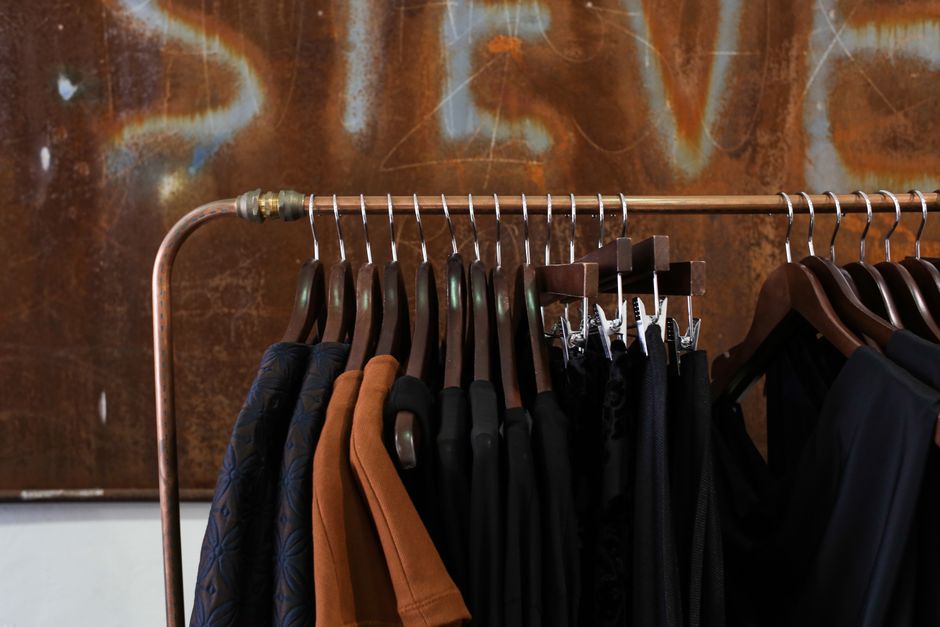
For the modern digital native, fashion is no longer just about what you wear; it is about the story behind the garment. As we become increasingly conscious of our environmental footprint, the way we consume clothing is undergoing a radical shift. Thrifting has evolved from a niche hobby into a global movement, fueled by technology that makes sustainable shopping as easy as double-tapping a post. Whether you are hunting for Y2K grails, building a capsule wardrobe, or simply trying to break free from the cycle of fast-fashion consumption, the right tools are now sitting right in your pocket. This guide explores the digital tools and strategies you need to master the art of sustainable style.
Unraveling the Impact of Thrifting and the Rise of Resale
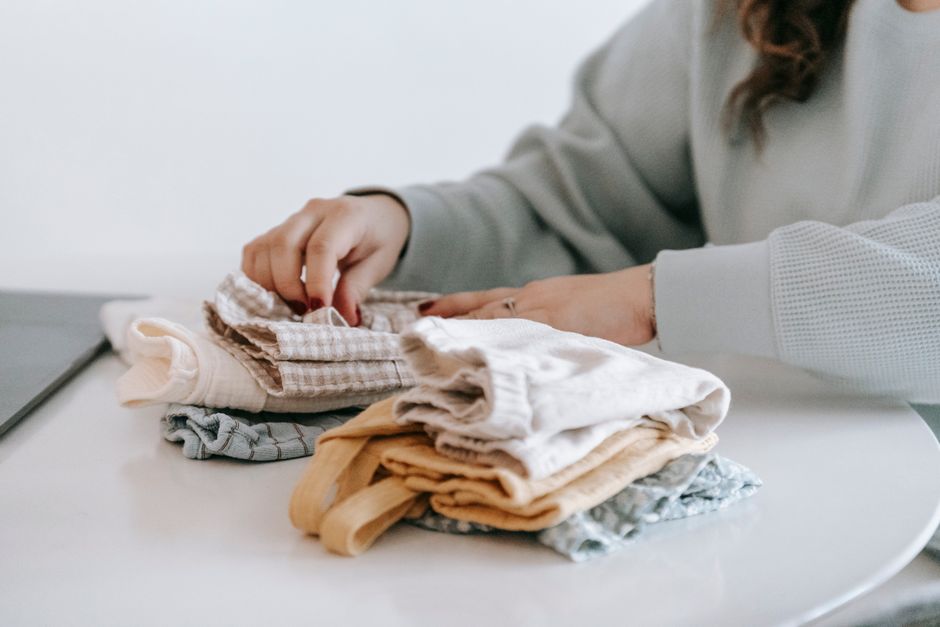
To understand why we shop, we first have to understand the systems we are disrupting. The rise of thrifting is a direct response to the ecological toll of fast fashion, an industry characterized by rapid production cycles, poor labor conditions, and massive landfill contributions. When you choose to buy pre-loved, you are effectively extending the lifecycle of a garment, which drastically reduces the carbon, water, and waste footprint associated with creating something new.
However, navigating the truth about thrift stores—both physical and digital—requires a bit of nuance. While thrifting is inherently more sustainable than buying new, it is not without its own set of ethics. The ethics of thrifting involve being mindful of accessibility; when high-income shoppers buy out all the affordable stock at local charity shops, it can displace those who rely on those stores for essential, low-cost clothing. By utilizing digital apps, we can often find more curated, sustainable options while keeping our shopping habits intentional and community-focused.
The Digital Native’s Guide to Sustainable Thrifting Apps

Downloading the right apps can turn your smartphone into a powerful tool for circular fashion. Whether you are looking for a free download to start your journey or a specialized platform for high-end pieces, there is an ecosystem designed for your specific style.
Depop: The Social Marketplace
Think of Depop as a vibrant blend of Instagram and eBay. It is arguably the most popular destination for Gen Z, functioning as a social-first marketplace. If your aesthetic leans toward vintage, streetwear, or unique upcycled finds, this is your home base. Because it operates on a peer-to-peer model, you are buying directly from other people’s closets, which keeps the experience personal and community-driven.
ThredUp: The Organized Consignment Experience
If you find the endless scrolling of peer-to-peer apps overwhelming, ThredUp offers a more polished, streamlined experience. It functions as the world’s largest online consignment store. Because they handle the inventory, photography, and shipping, it is the perfect digital equivalent of a massive, perfectly organized thrift store. It is the go-to for those who want the sustainability of thrifting without the “digital rummaging” required by other platforms.
Vinted: The Budget-Friendly Bargain Hub
Vinted has gained massive traction due to its user-friendly interface and commitment to reducing shipping emissions. By utilizing a drop-off to collection point delivery system, Vinted has reported a 62% reduction in delivery-related emissions compared to traditional door-to-door shipping. It is an excellent choice for everyday basics and bargain hunting.
Vestiaire Collective: The Luxury Resale Specialist
For those interested in high-end or luxury fashion, Vestiaire Collective is the gold standard. The platform provides authentication services, ensuring that the luxury pieces you purchase are genuine. This adds a layer of confidence to your sustainable shopping, allowing you to invest in high-quality items that are designed to last a lifetime.
Good On You: Your Research Partner
Sometimes, buying new is unavoidable. When that happens, Good On You is an essential, free app. It compiles data on over 3,000 fashion brands, rating them based on their impact on workers, the planet, and animal welfare. Use it to check a brand’s credentials before you make a purchase to ensure your money is supporting ethical practices.
Features to Consider When Choosing an App
Not all thrifting apps are created equal. When deciding which one to prioritize, consider your primary goals:
| App Name | Best For | Key Feature |
|---|---|---|
| Depop | Trend-focused/Vintage | Social community and unique curation |
| ThredUp | Busy shoppers | Professional inventory management |
| Vinted | Everyday bargains | Low-emission shipping options |
| Vestiaire Collective | Luxury/Designer | Authentication and quality assurance |
| Good On You | Brand research | Ethical ratings for new clothing |
Frequently Asked Questions
What is the best app for thrifting?
The “best” app depends on your personal style. If you want a social experience and unique vintage finds, Depop is widely considered the leader. If you prefer a more organized, store-like experience, ThredUp is the superior choice for most users.
What is the most successful resale app?
In terms of user base and cultural impact among younger generations, Depop remains the most successful resale app for vintage and streetwear. For sheer volume of inventory, ThredUp is a dominant force in the online consignment market.
What is the best thrift selling app?
If you are looking to declutter your own closet, Vinted is often cited as the best option because they do not charge selling fees, allowing you to keep 100% of your profit. Depop is also excellent for selling, provided you have a flair for photography and social media marketing.
Is there a better option than ThredUp?
Whether another option is “better” depends on your needs. If you find ThredUp’s fees or shipping times frustrating, you might prefer Poshmark for a more community-engaged experience or Vinted for lower shipping costs. If you are looking for higher-end, authenticated items, Vestiaire Collective is significantly better than ThredUp.
Conclusion
The digital native’s guide to sustainable thrifting apps is about more than just saving money; it is about reclaiming agency over your wardrobe and your environmental impact. By shifting your habits toward platforms like Depop, Vinted, and ThredUp, you are participating in a circular economy that values longevity over disposability. Whether you are a seasoned thrifter or a beginner looking to make your first sustainable purchase, the technology available today makes it easier than ever to curate a wardrobe that reflects your values. Remember, the most sustainable item is the one that is already in existence—so start exploring, stay curious, and keep your style circular.