

The modern fashion landscape is shifting away from the disposable culture of fast fashion toward a more intentional, circular approach. At the heart of this transformation is the repair-first movement, a philosophy that champions the lifecycle of our garments through maintenance, mending, and precision care. Whether you are looking to revitalize a vintage denim jacket or maintain a mechanical timepiece, the transition from consumer to caretaker requires a curated set of instruments. By mastering the art of repair, you not only extend the lifespan of your wardrobe but also develop a deeper, more personal connection to the items you own.
The Foundations of Garment Longevity
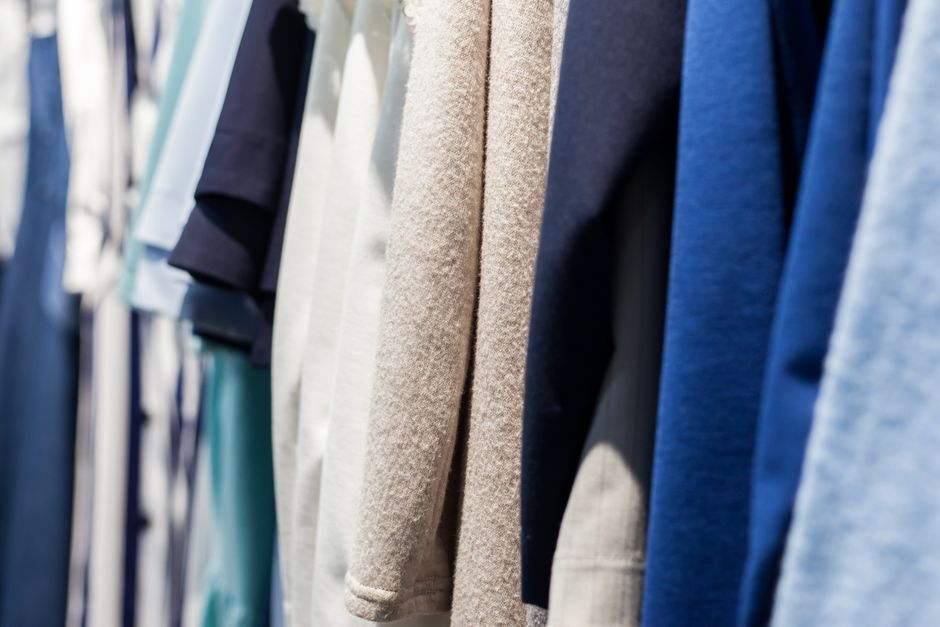
To participate effectively in the repair-first movement, one must understand that every textile has a unique structural requirement. The decision rule for mending is straightforward: woven fabrics, such as denim or canvas, are best suited for sashiko reinforcement, while knit fabrics, such as wool sweaters or cotton socks, require darning. By matching the technique to the material, you ensure that your repairs are not only aesthetically pleasing but structurally sound.
The Sashiko Method for Woven Fabrics
Sashiko is a traditional Japanese embroidery technique that has become a cornerstone of modern [visible](https://t10family.com/en/visible-mending-how-to-repair-clothes-with-creative-style/) mending. It involves creating a running-stitch grid that distributes stress across a fabric, effectively stopping holes from growing. For the best results, always prioritize structure over decoration. This means placing a backing patch behind the damaged area before applying your decorative stitching. A comprehensive sashiko kit typically includes pre-printed water-soluble fabrics, specialized needles, sashiko thread, and a protective thimble.
Darning and the Art of Knit Repair
Knit garments face a different set of challenges, particularly in high-friction areas like heels, elbows, and cuffs. Modern tools like the Speedweve mini loom have revolutionized this process, allowing even beginners to replicate the original weave of a garment. When dealing with smaller, curved surfaces like socks or sleeves, a darning mushroom or egg is an essential tool. These rounded surfaces allow you to stretch the fabric into a taut, workable state, ensuring even tension while you weave new life into worn-out threads.
The Essential Mending Toolkit
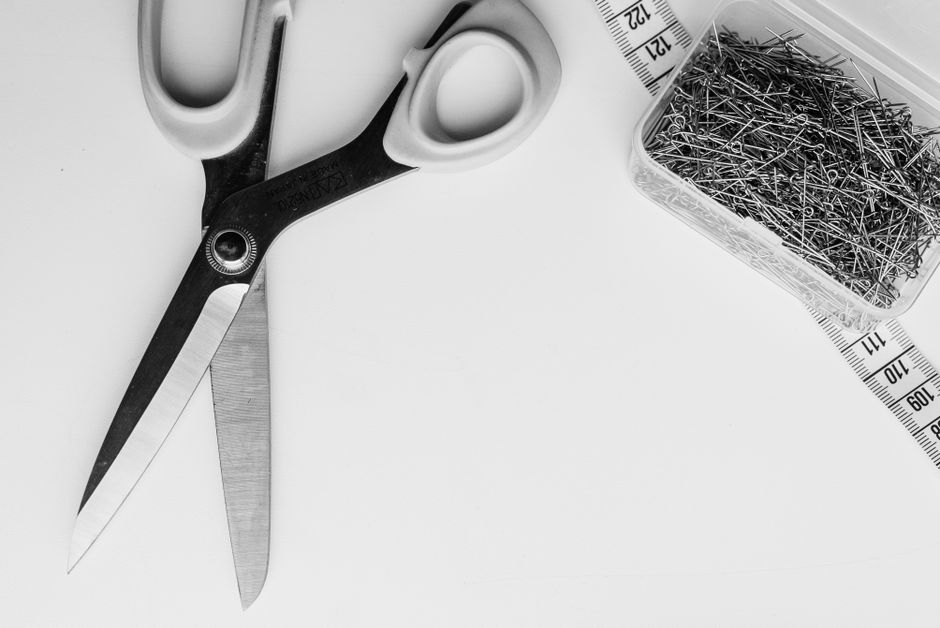
Building a professional-grade mending kit is a journey of incremental investment. You do not need a vast array of equipment to begin; rather, you should build your kit as your skills evolve. Below are the foundational tools required for a successful repair practice.
- Sashiko Needles: Designed to be sturdy and easy to grip for repetitive stitching.
- Beeswax Thread Conditioner: An essential for coating thread to prevent fraying and tangling during long sessions.
- Darning Mushroom: A classic, ergonomic tool for stabilizing knitwear.
- Speedweve Mini Loom: A precision tool for creating professional, woven patches on knit garments.
- Quality Fabric Shears: Sharp, dedicated scissors that ensure clean cuts, preventing further fraying of your project garments.
- Water-Soluble Marking Pens: Necessary for mapping out your repair patterns without leaving permanent ink on the fabric.
- Thimbles: Essential for pushing needles through thick layers like denim without causing hand fatigue.
- High-Quality Threads: A selection of cotton and wool threads that match the weight and fiber content of your garments.
- Seam Ripper: A vital tool for correcting mistakes and removing old, damaged stitching.
- Storage Organizer: A dedicated kit to keep your needles and small notions organized and safe.
Precision Maintenance: The Watch Repair Component
The repair-first movement extends beyond textiles into the world of horology. Just as a garment requires darning to survive another season, a watch requires periodic maintenance to function for generations. When curating a watch repair tools kit, quality is paramount. Utilizing professional-grade equipment, such as Bergeon watch tools, ensures that you do not damage the delicate components within a watch movement.
A professional watch repair tool kit typically includes case openers, spring bar tools, movement holders, and various precision screwdrivers. Learning to handle these tools requires patience and a steady hand. Many enthusiasts begin by practicing on inexpensive quartz watches before moving on to intricate mechanical movements. Investing in a high-quality kit is a significant step toward self-sufficiency, allowing you to perform essential tasks like battery replacements, strap changes, and minor adjustments at home.
| Tool Category | Primary Use | Key Benefit |
|---|---|---|
| Sashiko Kit | Woven fabric repair | Structural reinforcement and style |
| Speedweve Loom | Knit fabric repair | Restores weave integrity |
| Watch Repair Kit | Horological maintenance | Extends the life of timepieces |
| Beeswax | Thread management | Prevents tangling and fraying |
Frequently Asked Questions
What is the best watch repair tool kit?
The best kit depends on your experience level. For those serious about horology, a kit featuring Bergeon watch tools is considered the gold standard due to the precision and durability of the instruments. Beginners should look for a comprehensive set that includes case knives, case holders, and a variety of precision screwdrivers. Avoid extremely cheap, unbranded kits, as their low-quality steel can strip screws and damage delicate watch components.
What are five types of garment repair methods?
The five most common methods include sashiko (for woven fabric reinforcement), darning (for knitting), patching (applying fabric over a hole), darning-loom weaving (for mimicking original fabric patterns), and simple re-stitching (for loose seams). Each method serves a specific purpose depending on the fabric type and the location of the wear.
How do you get into watch repair?
Getting into watch repair starts with education and the right tools. Begin by researching the anatomy of a watch movement. Purchase a basic, reliable watch repair tools kit and source an inexpensive, non-working mechanical watch to practice disassembly and reassembly. Joining online horology forums and watching professional tutorials can also provide valuable insights into safe handling techniques.
How much does it cost to repair clothing?
The cost varies significantly. If you choose to do it yourself, the initial investment for a starter kit is relatively modest, often under $50, and the per-repair cost is minimal. If you outsource the work to a professional tailor, basic repairs like hemming or patching a hole can range from $15 to $50 depending on the complexity of the garment and the fabric involved.
Conclusion
Embracing the repair-first movement is about more than just saving money; it is an act of defiance against the cycle of waste. By gathering the essential tools for modern clothing longevity and learning to care for your accessories—be it through meticulous textile mending or the careful handling of a precision watch—you are participating in a more sustainable future. Remember that skill acquisition is a marathon, not a sprint. Start with small, manageable projects, invest in quality tools as your experience grows, and take pride in the history that every repair adds to your wardrobe. Whether you are using a darning loom or a set of professional watch tools, the act of repairing is the ultimate expression of style and responsibility.