
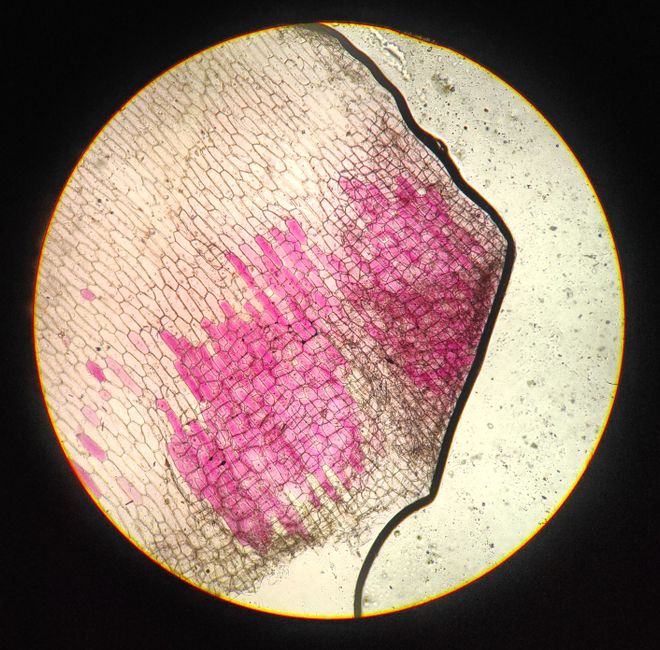
The beauty industry is undergoing a seismic shift, moving away from aggressive, stripping ingredients toward a more harmonious approach known as bio-adaptive skincare. For decades, the gold standard of beauty was centered on sterilization: harsh toners, high-pH soaps, and intense exfoliation aimed at creating a pristine, bacteria-free surface. However, modern dermatological science has flipped this narrative, revealing that your skin is not a surface to be scrubbed, but an ecosystem to be cultivated. The rise of microbiome-friendly beauty routines represents a fundamental evolution in how we perceive skin health, focusing on the trillions of microorganisms that reside on our bodies to foster resilience, radiance, and long-term vitality.
The Science of the Skin Microbiome

To understand the necessity of microbiome-friendly beauty, one must first recognize the complexity of the skin itself. The human skin microbiome is a vibrant, invisible community consisting of trillions of bacteria, fungi, and viruses. This ecosystem acts as a primary defense mechanism, forming a protective barrier against external pathogens, pollutants, and environmental stressors. When this internal landscape is thriving, the skin remains hydrated, balanced, and capable of repairing itself effectively.
Conversely, when we disrupt this balance—a state known as dysbiosis—the consequences are immediate. Over-cleansing, the use of harsh surfactants, and the application of products with extreme pH levels strip away the protective acid mantle. This compromise of the skin barrier is a leading driver of common dermatological concerns, including acne, eczema, rosacea, and even the acceleration of premature aging. By integrating bio-adaptive skincare into your regimen, you are essentially providing the building blocks necessary for your skin to self-regulate and thrive.
Understanding Bio-Adaptive Skincare
Bio-adaptive skincare is defined by formulations that mimic or support the skin’s natural biological processes rather than attempting to override them. Unlike traditional products that target specific symptoms through chemical force, bio-adaptive solutions work in tandem with the skin’s unique physiology. The goal is to maintain the skin’s natural pH and support the existing microbial population, ensuring the barrier remains intact against environmental insults.
The Three Pillars of Microbiome Formulations
Modern microbiome skincare brands are increasingly focusing on three specific categories of ingredients, often referred to as the three pillars of microbiome health:
- Prebiotics: These act as food for the beneficial bacteria already living on your skin. By providing the necessary nutrients, prebiotics help the healthy flora outcompete harmful organisms.
- Probiotics: While live cultures are difficult to stabilize in topical products, many formulations use lysate or specific bacterial fragments to signal to the skin that it is in a balanced state.
- Postbiotics: These are the bioactive compounds, such as peptides and enzymes, produced by beneficial bacteria during fermentation. They are highly effective at strengthening the skin barrier and reducing inflammation.
How to Restore Your Skin Microbiome Naturally
Restoring your skin’s health does not necessarily require a complete overhaul of your vanity. Often, less is more. The first step in any microbiome-friendly routine is to stop the damage caused by over-cleansing. Many individuals inadvertently destroy their microbiome by using foaming cleansers that are far too alkaline. Switching to a gentle, pH-balanced, non-foaming cleanser is the most effective way to begin the healing process.
Beyond cleansing, consider the frequency of your exfoliation. Chemical peels and physical scrubs, while popular, can be incredibly disruptive if used too often. Limiting exfoliation to once or twice a week allows the microbiome to recover. Additionally, look for products that emphasize barrier support, such as those containing ceramides, squalane, and fatty acids. These ingredients provide the structural support that healthy bacteria need to colonize and protect the skin effectively.
Microbiome-Based Interventions for Skin Aging
A comprehensive review of recent clinical data suggests that the microbiome plays a critical role in the aging process. As we age, the diversity of our skin microbiome naturally decreases, leading to thinner skin and increased sensitivity. Microbiome-based interventions for skin aging and barrier function are now at the forefront of dermatological research. By reinforcing the barrier with postbiotic compounds, we can mitigate the effects of chronic, low-grade inflammation—often called inflammaging—which is a primary culprit behind fine lines and loss of elasticity.
When searching for the best bio-adaptive skincare, look for brands that prioritize clinical transparency. The most effective products are those that avoid common irritants like synthetic fragrances, denatured alcohol, and sulfates, all of which are known to decimate the skin’s natural microbial diversity.
FAQ: Common Questions About Microbiome Beauty
What are some good microbiome-friendly skincare products?
Look for products labeled as pH-balanced, fragrance-free, and prebiotic-rich. Brands that focus on minimal ingredient lists and those that specifically mention “microbiome-friendly” or “barrier-supporting” on their packaging are generally the safest choices. Seek out serums containing fermented ingredients or creams enriched with prebiotics like inulin or fructooligosaccharides.
Does probiotic skincare actually work?
Yes, but with a caveat: the efficacy depends on the type of probiotic used. Because live bacteria are notoriously difficult to stabilize in a bottle, many of the most effective products use “probiotic extracts” or “lysates.” These ingredients provide the benefits of probiotic communication with the skin’s immune cells without the stability issues of living organisms.
What kills bacteria on your face?
While we often think of bacteria as “bad,” most of the bacteria on your face are essential for health. However, harsh soaps, alcohol-based toners, and strong antibacterial cleansers are the primary agents that kill your skin’s beneficial flora. Using these products indiscriminately often leads to an overgrowth of pathogenic bacteria, as the “good” bacteria that usually keep them in check are wiped out.
Which organ contains 70% of the human microbiome?
The human gut contains the vast majority of the body’s microbiome. However, the skin is the largest organ of the body and hosts a distinct, complex ecosystem that communicates directly with the gut. Maintaining a healthy gut through diet and probiotics often reflects positively on the skin microbiome, highlighting the deep connection between internal health and external appearance.
Conclusion
The rise of microbiome-friendly beauty routines marks a departure from the “war on bacteria” toward a more sophisticated model of biological cooperation. By embracing bio-adaptive skincare, you are not just applying products; you are curating an environment where your skin can function at its peak. Whether you are addressing signs of aging, managing sensitivity, or simply looking to maintain a healthy glow, the key lies in respecting the delicate ecosystem that resides on your skin. As research continues to advance in the field of microbiome-based interventions for skin aging and barrier function, it is clear that the future of beauty is not about changing your skin, but about empowering it to be its best, most resilient self.