

For years, the beauty industry pushed a narrative of total eradication: strip the oils, exfoliate the surface, and sterilize the pores. However, a seismic shift is underway. We are moving away from the aggressive, multi-step routines of the past and entering the era of Skinimalism 2.0. This new philosophy is not just about using fewer products; it is about a profound, science-backed commitment to the skin microbiome. By prioritizing the trillions of microorganisms that call our skin home, we are learning that the secret to a radiant complexion is not warfare against bacteria, but rather the cultivation of a thriving, balanced ecosystem.
The Evolution of Skinimalism: Why Microbiome-First Skincare Matters
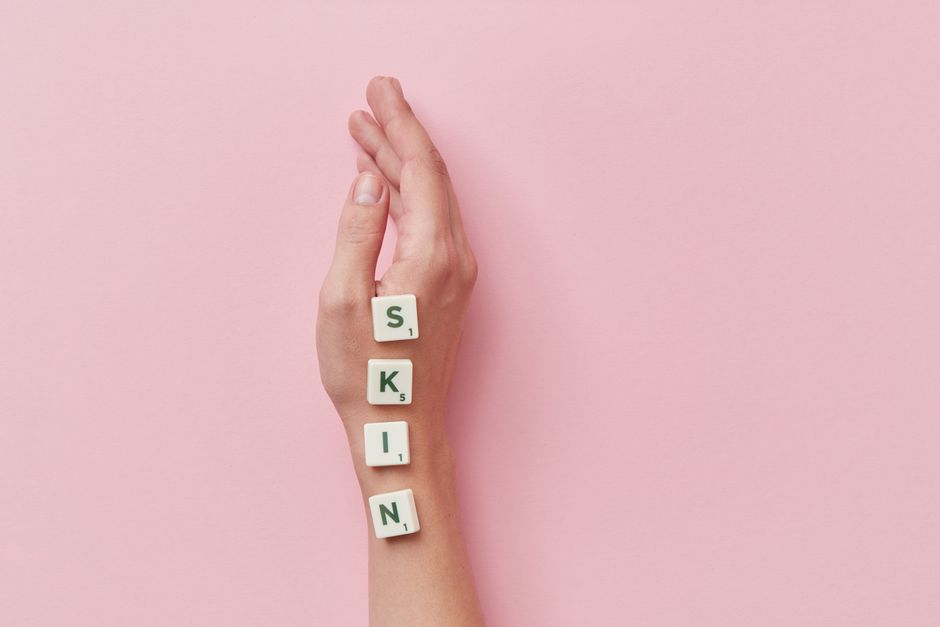
The original iteration of skinimalism focused on the aesthetic benefits of a simplified routine—saving time and reducing product waste. Skinimalism 2.0 takes this a step further by integrating the science of the skin microbiome. The skin is a complex organ that functions as an interface between our internal systems and the external environment. When we use harsh cleansers or excessive actives, we disrupt the acid mantle and the delicate colony of microbes that protect us from pathogens, inflammation, and premature aging.
Microbiome skincare is the practice of supporting this natural flora. Instead of attempting to sterilize the skin, this approach uses prebiotics, probiotics, and postbiotics to foster a healthy environment. When the microbiome is in balance, the skin barrier is stronger, hydration levels remain optimal, and the skin is better equipped to defend itself against environmental stressors like pollution and UV damage. This shift represents a transition from treating skin as a canvas to be scrubbed, to treating it as a living, breathing ecosystem to be nurtured.
The Science of the Triple Biotic Approach

To understand why this method is gaining traction, one must look at the synergy of three core components: prebiotics, probiotics, and postbiotics. This “Triple Biotic” framework is the gold standard in modern, science-led formulations.
Prebiotics: The Fuel for Your Flora
Prebiotics are essentially food for your skin’s beneficial bacteria. By providing specific nutrients—often in the form of specialized sugars or fibers—prebiotics help the good bacteria outcompete harmful microbes. This ensures that the resident population of healthy bacteria remains dominant, which is essential for maintaining a stable and resilient skin barrier.
Probiotics: Adding Beneficial Allies
Probiotic skincare involves the application of live beneficial bacteria or fragments of bacterial cells. These ingredients work by modulating the skin’s immune response and helping to restore balance. For example, Lactobacillus skin applications have been shown to help soothe reactive skin by reinforcing the barrier and reducing the presence of pro-inflammatory signals. By introducing these allies, we can help recalibrate the skin’s environment, making it more resistant to common issues like redness and sensitivity.
Postbiotics: The Metabolic Advantage
Postbiotics are the beneficial byproducts left behind by probiotic bacteria. These include enzymes, peptides, and organic acids, such as lactic acid. These compounds are incredibly effective at strengthening the skin barrier and promoting a healthy, acidic pH level. Because postbiotics are stable and do not require the same rigorous preservation as live bacteria, they have become a staple in high-performance formulas, providing immediate benefits to skin texture and hydration.
Beyond Sterilization: Ingredients That Support the Ecosystem
Brands like Gallinée, founded by Dr. Marie Drago, have been at the forefront of this movement. By focusing on the interaction between human cells and active probiotics, these pioneers have proven that we can achieve clinical results without compromising the skin’s integrity. The inclusion of fermented extracts is another cornerstone of this approach. Fermentation breaks down complex molecules into smaller, more bioavailable nutrients, allowing vitamins, minerals, and amino acids to penetrate the skin more efficiently.
Furthermore, the use of natural oils such as jojoba, almond, and avocado serves to complement the microbiome rather than disrupt it. These oils mimic the skin’s natural sebum, providing essential lipids that seal in moisture. Unlike synthetic silicones or heavy mineral oils, these plant-derived lipids work in harmony with the skin’s natural barrier function, ensuring that the microbiome remains undisturbed while providing deep, long-lasting hydration.
The Practical Benefits of a Microbiome-Friendly Routine
Adopting a microbiome-first approach is particularly beneficial for those with sensitive, reactive, or compromised skin. When the barrier is healthy, the skin is less prone to trans-epidermal water loss (TEWL), which is the primary cause of dehydration. Furthermore, a balanced microbiome acts as a biological shield. By fostering an environment where beneficial bacteria thrive, we can naturally inhibit the growth of acne-causing bacteria like C. acnes without resorting to harsh antibiotics that can lead to long-term resistance and irritation.
The result of this transition is a clearer, more resilient, and naturally glowing complexion. While many consumers are looking for a Skinimalism 2.0 the science of microbiome first skincare pdf or guide to help them navigate this change, the core takeaway is simple: look for products that emphasize “balance” and “barrier support” rather than “rapid exfoliation” or “deep cleaning.”
FAQ: Common Questions About Microbiome Skincare
Does probiotic skincare actually work?
Yes, but it is important to distinguish between live probiotics and probiotic-derived ingredients. While live bacteria can be difficult to stabilize in a bottle, ingredients like prebiotics and postbiotics are highly effective. They have been clinically shown to improve barrier function, reduce redness, and promote a balanced, healthy complexion. A Skinimalism 2.0 the science of microbiome first skincare review often highlights that the most successful products use these stable components to achieve long-term skin health.
What kills bacteria on your face?
Harsh soaps, high-alcohol toners, and aggressive antibiotic treatments are the primary culprits that kill both “bad” and “good” bacteria. While you may want to reduce harmful pathogens, indiscriminately killing all bacteria strips the skin of its natural protection, leading to dryness, inflammation, and an increased risk of infection. A microbiome-first approach aims to manage the bacterial population through balance rather than total elimination.
How do you know if your skin microbiome is unhealthy?
Signs of a dysbiotic or unhealthy microbiome include persistent redness, chronic dryness, unexplained breakouts, or skin that feels “tight” and reactive to products that were previously tolerated. If your skin barrier is compromised, you may also notice a dull, lackluster appearance and a tendency toward sensitivity or stinging upon application of standard skincare.
What are some good microbiome skincare products?
Look for brands that explicitly state they are “microbiome-friendly” or “pH-balanced.” Brands like Gallinée are well-regarded for their Triple Biotic complex. Other effective products often contain ingredients like Lactobacillus ferment, bifida ferment lysate, or prebiotic sugars like inulin. Always check the ingredient list for these markers of quality and scientific intent.
Conclusion
The shift toward microbiome-first skincare is more than a fleeting trend; it is a fundamental change in how we perceive skin health. By embracing the principles of Skinimalism 2.0, we move away from the unsustainable cycle of damaging and repairing the skin. Instead, we learn to work with our body’s natural biology. Whether you are seeking to soothe sensitivity or simply want a more efficient, science-backed routine, nurturing your skin’s microbiome is the most effective path to lasting radiance. As the science continues to evolve, the focus on prebiotics, probiotics, and postbiotics will likely remain the standard for anyone looking to achieve healthy, beautiful skin for the long term.