

The bond between humans and their pets is evolving through the lens of digital innovation. As our own lives become increasingly integrated with smart devices, the pet wearables market has expanded rapidly to offer sophisticated tools for monitoring health and activity in real time. Today, a pet health monitoring collar is no longer just a luxury for the tech-savvy; it is becoming a standard piece of equipment for proactive pet owners who want to bridge the communication gap between their animal companions and their veterinary care teams.
The Evolution of Pet Health Monitoring
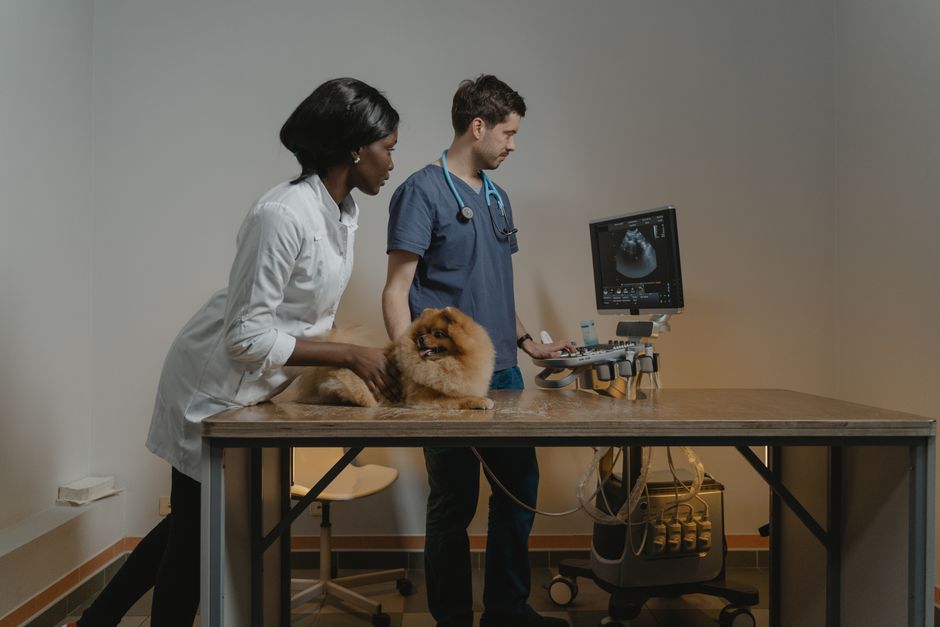
For years, pet technology was primarily limited to basic microchips for identification or simple GPS trackers for location. However, the current landscape of wearable tech for pets has shifted toward a more holistic approach. Modern devices now function as comprehensive health hubs, utilizing advanced sensors and artificial intelligence to track everything from daily caloric burn to complex physiological vitals. This shift is driven by a growing awareness that pets, like humans, benefit significantly from preventative care and early detection of medical anomalies.
Activity Tracking vs. Clinical Vitals
When searching for the best dog health monitor, it is essential to distinguish between two primary categories of devices. The first category consists of activity trackers. These devices typically use accelerometers to monitor movement, sleep patterns, and exercise levels. They are excellent for identifying if a dog is meeting their daily fitness goals or if their activity levels have suddenly dropped, which can sometimes be an early indicator of lethargy or discomfort. By comparing a pet’s current behavior against their individual baseline, these devices help owners identify subtle changes in habits, such as increased scratching, licking, or changes in sleep quality.
The second category focuses on clinical health monitoring. These devices are more specialized, often designed to measure vital signs such as resting heart rate, respiration, body temperature, and heart rate variability (HRV). This level of monitoring is particularly valuable for pets with chronic conditions, such as epilepsy or heart disease. By providing continuous data, these tools allow veterinarians to move away from “snapshot” diagnostics—where a pet is only assessed when they are stressed in a clinical setting—to a more accurate, longitudinal view of the animal’s health in their natural environment.
Understanding the Technology Behind the Collar

The effectiveness of modern pet wearables relies on a combination of hardware and software. High-end devices integrate GPS for safety, LTE or Wi-Fi connectivity for data transmission, and sophisticated AI algorithms to interpret the raw data collected. For example, a dog heart rate monitor collar might use photoplethysmography (PPG) sensors to detect pulse, while AI-powered apps analyze this data to create a wellness score tailored to the specific breed, age, and size of the animal.
The Role of Artificial Intelligence
One of the most significant breakthroughs in this field is the move toward personalized baselines. Instead of comparing a pet’s health data to generic population averages, modern AI algorithms learn what is “normal” for each individual pet. If a dog’s resting respiratory rate rises slightly above their personal norm, or if their activity levels decrease during their usual walk time, the system can trigger an alert. This allows for early intervention, potentially catching health issues before they become symptomatic or require emergency care.
Real-Time Connectivity and Safety
Beyond health, the safety aspect of these devices remains a top priority for pet owners. The best wearable devices offer real-time location tracking that updates every few seconds. By utilizing cellular networks and GPS, these trackers ensure that owners can pinpoint their pet’s location with high accuracy. Advanced models even offer virtual fencing, which sends an immediate notification to the owner’s smartphone if the pet leaves a designated safe zone, such as their backyard or a local park.
Practical Considerations for Pet Owners
Before investing in a wearable for your pet, it is important to consider the practical aspects of daily use. Battery life remains a primary challenge in the industry, particularly for devices that perform high-frequency GPS polling. Many manufacturers have addressed this by implementing “Power Saving Zones,” where the device utilizes a home’s Wi-Fi network to reduce battery drain. Additionally, comfort is paramount; a device must be lightweight, durable, and waterproof to withstand the rigors of an active pet’s life.
Data Sharing with Veterinary Professionals
Perhaps the most valuable feature of modern pet wearables is the ability to share data with a veterinarian. Many platforms now allow owners to export reports on vital signs and activity trends directly from the app. This creates a data-driven dialogue between the owner and the vet, making consultations more productive. Some advanced systems even include 24/7 access to telemedicine, allowing owners to chat with or video call a licensed professional if the device flags an unusual health event.
FAQ: Commonly Asked Questions
What are some examples of wearable health devices for pets?
Examples include the Whistle GO and GO Explore, which focus on activity and behavioral tracking, and the PetPace smart collar, which specializes in clinical vital signs monitoring. Other popular options like the Tractive DOG 6 and the SATELLAI collar offer a hybrid approach, combining GPS location services with activity and health analytics.
What are some real-life examples of wearable technology?
In the pet world, real-life examples include GPS-enabled smart collars that track a dog’s location during a walk, activity monitors that count steps and calories burned, and medical-grade sensors that track a pet’s resting pulse and respiratory rate to help manage chronic illnesses like heart disease or seizures.
What are some popular pet technology devices?
Popular devices currently dominating the market include the Fi smart collar for its robust activity and location tracking, the PetPace collar for its comprehensive medical-grade vitals monitoring, and the Tractive GPS tracker, which is widely recognized for its reliable location services and health-aware insights.
What is the best health tracker for animals?
The “best” tracker depends on your pet’s specific needs. If you are looking for general fitness and location tracking, a device like the Whistle or Fi is ideal. If your pet has a diagnosed medical condition and requires the monitoring of vital signs like heart rate and temperature, a clinical-grade device like the PetPace is the most appropriate choice.
Conclusion
Wearable tech for pets is fundamentally changing the way we look after our companions. By providing a window into their health and daily activity in real time, these devices empower owners to transition from reactive care to a proactive, data-informed lifestyle. Whether you are managing a dog’s weight, monitoring a cat’s recovery from surgery, or simply seeking the peace of mind that comes with real-time location tracking, there is a wearable solution designed to meet that need. As technology continues to advance, these devices will undoubtedly become even more accurate and intuitive, ensuring that our pets can live longer, healthier, and safer lives by our side.