

The landscape of modern adornment is undergoing a radical transformation as the industry shifts away from traditional, resource-intensive manufacturing toward a more symbiotic relationship with the natural world. At the forefront of this evolution is the rise of bio-jewelry, a burgeoning category of accessories that incorporate living organisms—such as moss, succulents, fungi, and even algae—into wearable designs. As consumers become increasingly conscious of the environmental impact of their choices, the rise sustainable jewelry movement is no longer just a niche interest; it is a fundamental rethinking of what luxury and beauty represent in the twenty-first century.
The Evolution of Bio-Jewelry: Beyond Traditional Luxury
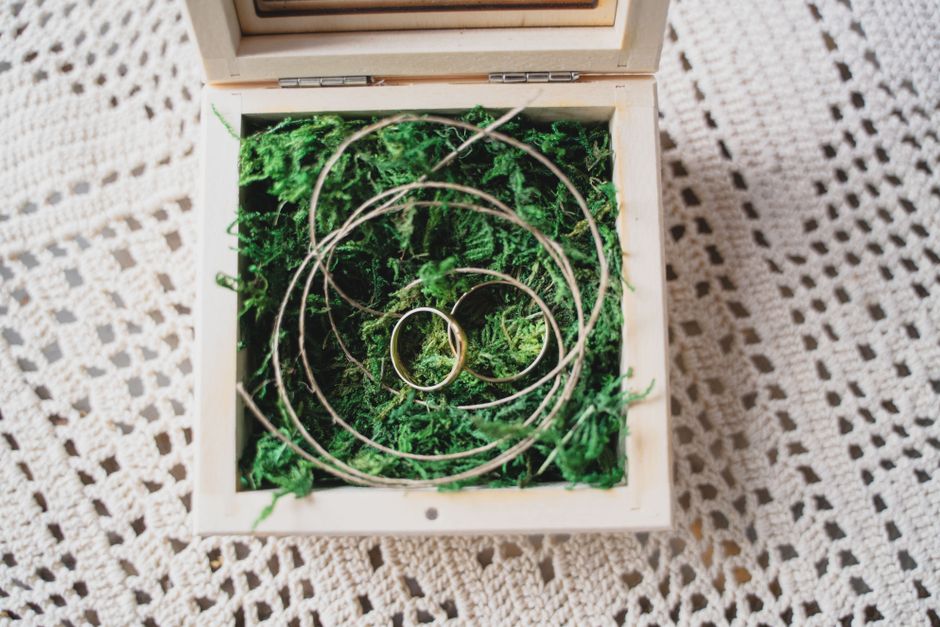
For decades, the luxury sector has relied on the extraction of precious metals and gemstones, processes often associated with significant habitat destruction, water pollution, and heavy carbon footprints. The rise sustainable fashion movement has challenged these norms, pushing designers to seek alternatives that prioritize circularity and ecological restoration. Bio-jewelry serves as the logical endpoint of this philosophy. By utilizing living organisms, designers are creating pieces that do not merely minimize harm but actively contribute to the health of the environment.
The Living Component: Why Organisms Matter
Bio-jewelry often utilizes living organisms such as moss, succulents, or fungi that require ongoing care from the wearer. This requirement transforms the relationship between the accessory and the owner. Instead of a static object meant to be displayed, the piece becomes a companion—a micro-ecosystem that breathes, grows, and responds to the environment. This shift is central to the rise sustainable ethos, where the value of a piece is measured by its biological vitality rather than its market rarity.
Beyond aesthetics, these pieces often function as carbon-sequestering agents. By integrating plants into wearable structures, designers are creating jewelry that actively absorbs carbon dioxide and releases oxygen, albeit on a small scale. This fusion of biology and design highlights a path forward where fashion contributes to, rather than subtracts from, the planet’s resources.
Design Innovation and Material Science
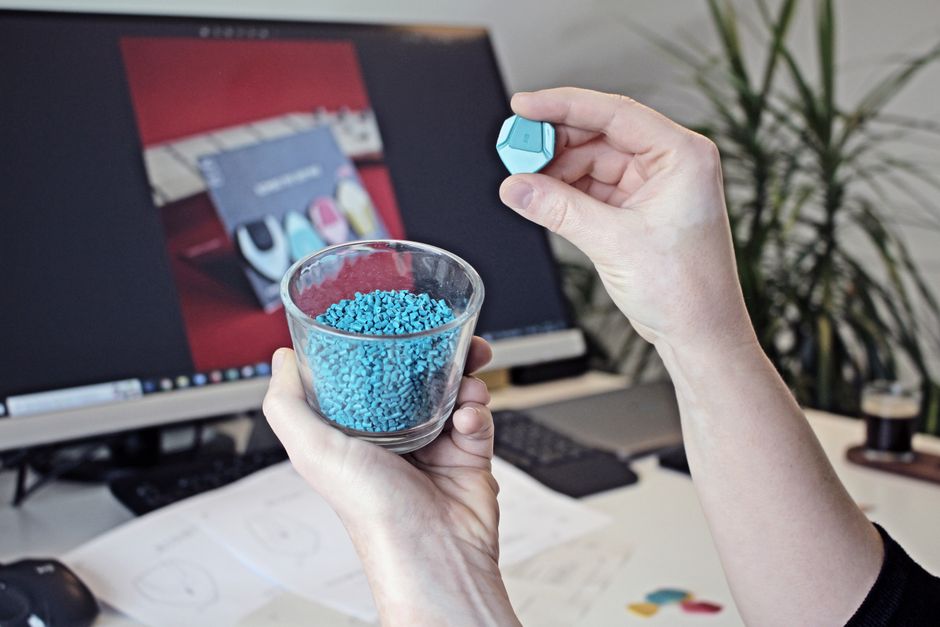
The technical challenges of creating jewelry from living material are significant. Designers must balance the structural integrity of the base—often made from recycled bio-plastics or reclaimed metals—with the biological needs of the organisms housed within. This intersection of biology and fashion requires a multidisciplinary approach, blending traditional silversmithing techniques with expertise in horticulture and material science.
Microbes and Fungi: The Future of Biotech Fashion
While succulents and moss are the most visible examples of bio-jewelry, the field is expanding into the microscopic realm. Researchers are exploring how fungal mycelium can be cultivated into intricate, durable structures that feel like leather or stone but remain entirely biodegradable. This innovation is a cornerstone of the rise sustainable jewelry trend, offering a future where accessories can be returned to the soil at the end of their lifecycle without leaving a trace of synthetic waste.
| Material Type | Environmental Impact | Maintenance Requirement |
|---|---|---|
| Living Moss | High (Carbon Sequestration) | Mist daily |
| Mycelium (Fungi) | Neutral (Biodegradable) | None |
| Traditional Gold | Negative (Mining intensive) | Periodic cleaning |
The Cultural Impact of Eco-Conscious Adornment
The rise of this movement is fueled by a generational shift in values. Younger demographics, particularly those leading the rise sustainable fashion discourse, are rejecting the “take-make-waste” model of consumerism. They view their personal style as an extension of their political and environmental beliefs. Wearing a piece of living jewelry is a statement—a visible commitment to the idea that humans are not separate from nature, but part of a complex, interconnected biological network.
The Aesthetic of Growth
Unlike traditional jewelry, which is valued for its permanence, bio-jewelry celebrates impermanence and change. A ring featuring a succulent might change color or size over time, reflecting the environment it inhabits. This aesthetic of growth resonates with a modern audience that finds beauty in the fluid and the unpredictable. It challenges the traditional jewelry industry to reconsider its obsession with the “everlasting” diamond in favor of the “living” accessory.
Frequently Asked Questions
What is sustainable jewelry?
Sustainable jewelry refers to pieces created using methods and materials that minimize environmental damage and promote social responsibility. This includes sourcing recycled precious metals, utilizing conflict-free or lab-grown gemstones, and employing manufacturing processes that prioritize fair wages, low carbon emissions, and waste reduction. Bio-jewelry takes this a step further by integrating living systems into the product lifecycle.
What jewelry is Gen Z wearing?
Gen Z is heavily gravitating toward pieces that prioritize personal expression and ethical transparency. This includes thrifted or vintage jewelry, pieces made from recycled materials, and, increasingly, bio-jewelry that highlights an eco-conscious lifestyle. There is a strong preference for brands that are radically transparent about their supply chains and environmental footprint.
Can you wear jewelry in healthcare?
In most clinical healthcare settings, the wearing of jewelry is strictly regulated or prohibited for safety and hygiene reasons. Rings and bracelets can harbor pathogens, making it difficult to perform effective hand hygiene. Additionally, dangling jewelry poses a physical safety risk when interacting with patients or medical equipment. Most facilities recommend limiting jewelry to a plain wedding band or none at all.
What is the only jewelry that may be worn while handling food?
According to standard food safety regulations, such as those provided by the FDA, the only piece of jewelry typically permitted while handling food is a plain, smooth wedding band. This restriction is in place to prevent physical contamination, such as stones or metal fragments falling into food, and to ensure that hands can be washed thoroughly without jewelry trapping bacteria.
Conclusion
The rise of bio-jewelry marks a pivotal moment in the history of personal adornment. By bridging the gap between biological life and decorative art, this movement offers a compelling vision for the future of fashion. As the industry continues to grapple with its ecological footprint, the rise sustainable approach provides a blueprint for how we might decorate our bodies without compromising the health of the planet. Whether through the cultivation of moss-laden pendants or the development of mycelium-based structures, bio-jewelry represents a profound shift toward a more conscious, living, and circular mode of expression. As we look toward the future, the most valuable accessory may no longer be the one that lasts forever, but the one that grows, breathes, and thrives alongside us.