
The landscape of men’s grooming is undergoing a fundamental transformation. For decades, the industry relied on single-use plastics and synthetic formulations, but a new wave of conscious consumerism is redefining what it means to look and feel good. Today, the shift toward plastic-free, sustainable personal care is no longer a niche movement relegated to the fringes; it has become a central pillar in the modern man’s daily routine. As we analyze current men’s grooming trends, it is clear that the modern consumer is increasingly informed, prioritizing both personal wellness and environmental stewardship. By moving away from disposable convenience, men are discovering that high-performance care does not require a heavy carbon footprint.
The Drivers Behind the Eco-Grooming Shift
The beauty and personal care industry analysis reveals that today’s men are looking for more than just a quick shave or a basic soap. They are seeking transparency. According to reports like those from Mintel, men’s grooming is increasingly aligning with wellness and inclusivity, with a specific focus on the ingredients touching their skin. This shift is driven by a growing awareness of the potential health risks associated with traditional grooming products.
Research, including a 2016 report by Environmental Defence, has highlighted that many conventional products contain ingredients such as parabens, phthalates, triclosan, and synthetic fragrances. These chemicals are frequently linked to hormonal disruption, reproductive health concerns, and environmental degradation. As a result, brands are pivoting toward plant-based formulations, utilizing ingredients like coconut oil, shea butter, and jojoba oil. By eliminating these controversial chemicals, brands are not only improving the safety profile of their products but also appealing to a demographic that values long-term health over temporary aesthetic results.
Addressing Health and Sustainability
One of the most compelling aspects of this movement is the emergence of brands that address specific health concerns through plastic-free alternatives. For instance, Old Salt Grooming Supply, founded by Kelly Perkins, has positioned itself at the intersection of reproductive wellness and sustainability. By removing plastic-associated chemicals from their formulations and utilizing home-compostable packaging or aluminum tins, they provide a blueprint for how the industry can evolve. While the scientific community notes that plastic-associated chemicals are a point of concern, it is important to maintain a balanced perspective: changing a grooming routine is a proactive step toward wellness, even if it is not a singular solution to complex global health issues.
Simplifying the Routine: The Rise of Minimalist Care
One of the most significant barriers to adopting sustainable habits has historically been the perception that eco-friendly routines are complicated or time-consuming. However, current grooming trends emphasize convenience. Modern, sustainable product development is focused on multi-purpose, long-lasting, and portable formats that fit into the lifestyle of a busy man. This is where the shift toward solid bars, sticks, and powders becomes a game-changer.
Solid bars for shampoo, conditioner, and soap eliminate the need for excessive plastic bottles, which are significant contributors to environmental waste. Furthermore, these concentrated formats are inherently water-efficient, reducing the overall logistics-related carbon footprint. By opting for sticks and bars, men can streamline their grooming cabinet, reducing the clutter of plastic packaging while enjoying effective, high-performance results.
A Strategic Approach to a Plastic-Free Kit
Transitioning to a plastic-free lifestyle does not need to happen overnight. It is a process of replacing items as they run out with more sustainable versions. To help navigate this, consider the following breakdown of essential grooming categories:
| Category | Traditional Option | Plastic-Free Alternative |
|---|---|---|
| Shaving | Disposable plastic razors | Safety razors with recyclable metal blades |
| Cleansing | Liquid body wash in plastic | Solid soap or shampoo bars |
| Hydration | Lotion in plastic pump bottles | Balms or oils in glass or aluminum |
| Deodorant | Plastic-housed chemical sticks | Refillable containers or eco-friendly cardboard packaging |
Refining Your Shaving Ritual
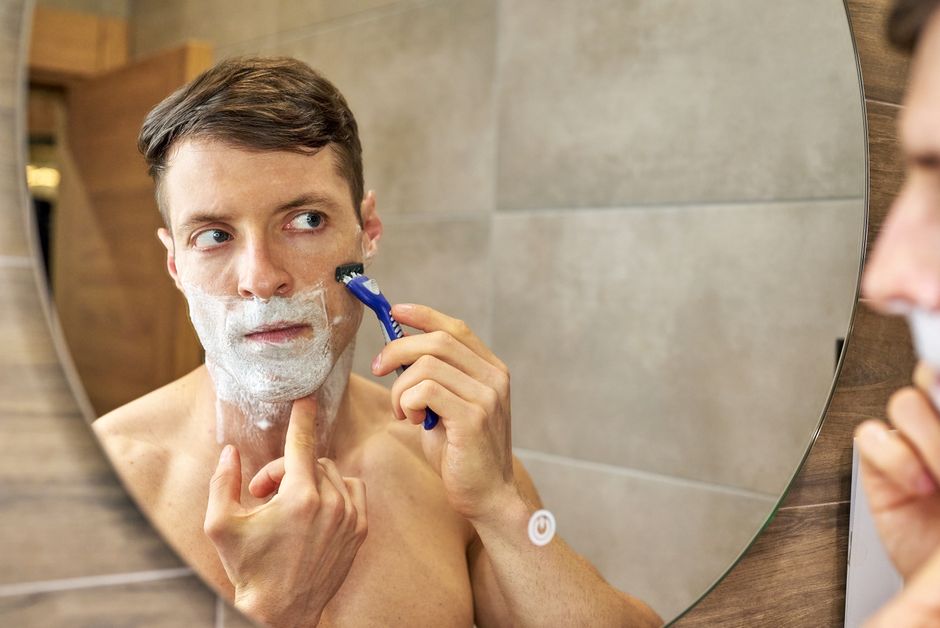
The shaving category is a prime example of where small changes yield massive environmental benefits. Disposable plastic razors are notorious for being non-recyclable and contributing to massive landfill waste. The return to the safety razor is perhaps the most impactful change a man can make. These tools are built for longevity, often made of durable steel or brass, and the blades themselves are easily recyclable. Paired with a high-quality shaving soap in a tin or a refillable container, this routine is not only better for the environment but often provides a superior, closer shave with less irritation.
Common Questions About Eco-Grooming
Is plastic-free grooming actually effective?
Yes. Many modern, natural-based grooming products are formulated to be just as effective as their synthetic counterparts. Ingredients like argan and jojoba oil are industry standards for hair and beard care because they offer superior hydration and nourishment. The effectiveness of a product is determined by its formulation, not by the packaging it comes in.
How do I know if a brand is truly sustainable?
Look for transparency. Brands that are serious about sustainability will clearly list their ingredients, explain their packaging choices, and often provide certifications regarding their sourcing. Be wary of greenwashing; look for companies that use compostable materials, aluminum, or glass, and those that offer clear refill programs.
Are plastic-free products more expensive?
While the upfront cost of a high-quality safety razor or a premium solid bar might be higher than a cheap disposable alternative, these products often last significantly longer. When calculated on a cost-per-use basis, many plastic-free alternatives provide better value over time while eliminating the hidden costs of environmental cleanup.
Conclusion
The move toward plastic-free personal care is a reflection of a broader cultural shift. Today’s man is increasingly aware that his daily choices—from the razor he uses in the morning to the soap he uses in the shower—have a ripple effect on his own health and the health of the planet. By prioritizing plant-based ingredients, durable tools, and waste-reducing packaging, men are not just participating in a trend; they are setting a new standard for the grooming industry. Whether you are driven by the desire to avoid endocrine-disrupting chemicals or simply want to reduce your plastic consumption, the transition to eco-grooming is a rewarding evolution that combines performance, wellness, and responsibility. As the market continues to innovate, the barrier to entry for sustainable care will only continue to fall, making this the perfect time to audit your bathroom cabinet and make the switch to a cleaner, greener routine.