

Play is the universal language of childhood, acting as a primary vehicle for learning, social connection, and emotional development. For neurodivergent children, however, traditional toys do not always provide an accessible or engaging experience. The shift toward adaptive play and inclusive toy design is transforming how we approach development, ensuring that every child—regardless of their sensory profile, motor abilities, or cognitive processing style—can participate in the joy of discovery. By prioritizing accessibility, flexibility, and safety, we can create environments where all children thrive through meaningful engagement with their world.
The Core Principles of Inclusive Toy Design
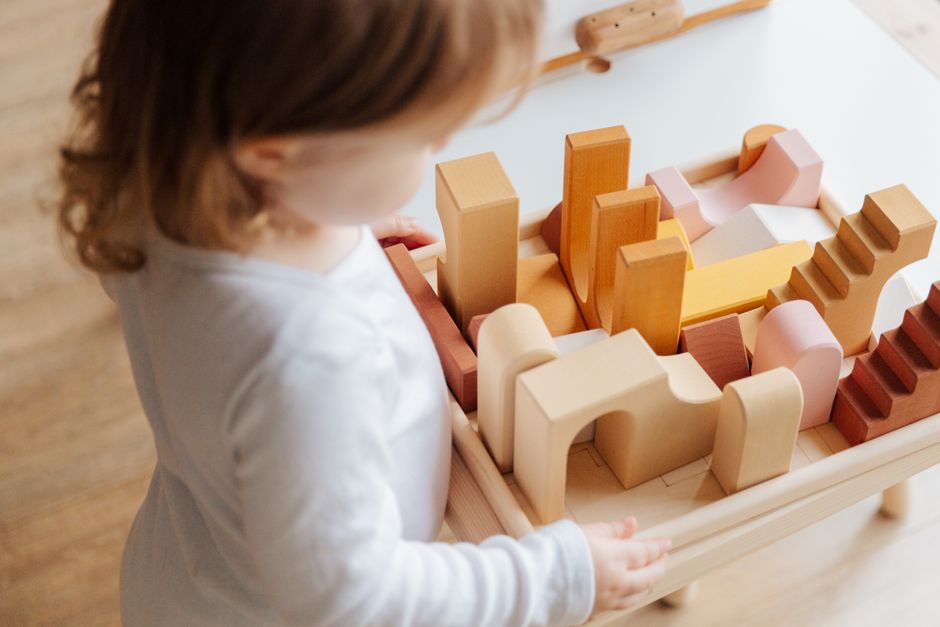
When selecting or evaluating the best adaptive play inclusive toys for neurodivergent development, it is essential to understand the design philosophy behind them. Inclusive design is not merely about making a toy “easier” to use; it is about removing barriers so that the play experience becomes intuitive and rewarding for everyone. Research highlights three fundamental pillars that define high-quality inclusive toys.
Accessibility and Interaction Flexibility
Accessibility ensures that a toy can be operated by individuals with varying motor or cognitive abilities. This often involves larger activation buttons, tactile feedback, or simplified interfaces. Interaction flexibility takes this a step further by allowing the same object to be used in multiple ways. A truly inclusive toy might offer various modes of engagement—such as visual, auditory, or haptic feedback—allowing a child to choose the sensory input that best aligns with their comfort level and developmental goals.
Comprehensibility and Safety
Comprehensibility is achieved when a toy provides clear feedback, helping a child understand cause and effect without frustration. When a child presses a button, the resulting light, sound, or movement should be predictable and consistent. Furthermore, safety remains the cornerstone of all design. Whether for home use or as part of adaptive equipment for students with disabilities, toys must feature rounded edges, appropriately sized components to prevent choking hazards, and durable, non-toxic materials. Structural resistance is vital, as inclusive toys are often handled with varying degrees of force or frequency.
Understanding Neurodiversity in Play
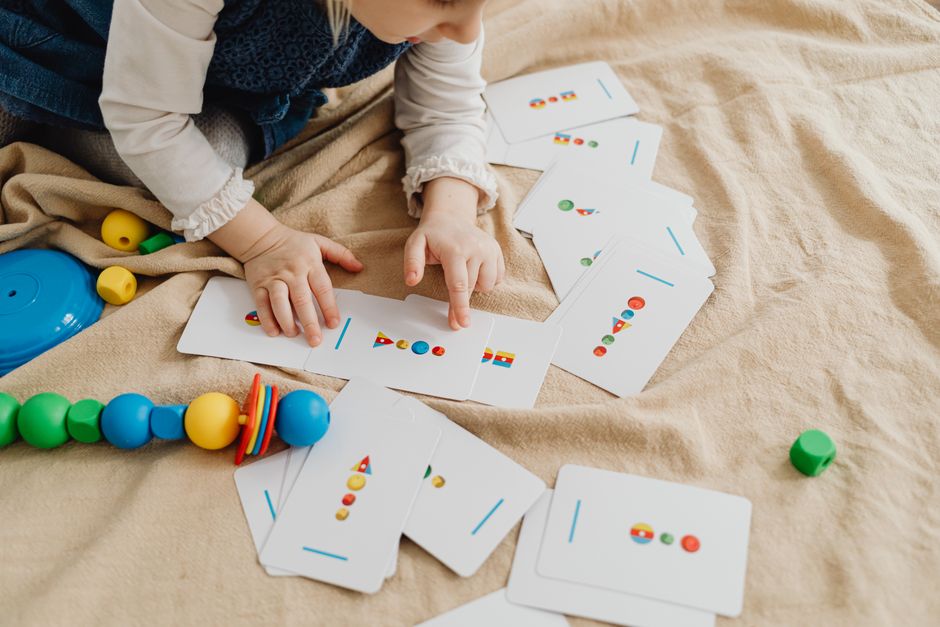
To choose the right tools, parents and educators must observe how a child interacts with their environment. Neurodivergent children, including those with autism, ADHD, or sensory processing differences, often have specific needs regarding sensory input. Some children may seek out high-intensity stimulation, such as bright lights or textures, while others may require calming, repetitive motions to regulate their nervous systems.
When reviewing adaptive play inclusive toys for neurodivergent development, look for items that offer adjustable sensory settings. For example, a toy that allows a user to dim lights or lower the volume of sound effects can be a game-changer for a child with sensory sensitivities. By respecting these individual profiles, we move away from a “one-size-fits-all” mentality and toward a model of personalized development.
Practical Applications: From Outdoor Gear to Everyday Tools
Inclusive play extends far beyond the playroom. Recent collaborations, such as the partnership between Radio Flyer and Understood.org, demonstrate how universal design can be applied to active, outdoor equipment. By adapting traditional ride-ons, wagons, and trikes, these companies are ensuring that children with different mobility needs can join in on summer adventures.
The Voya XT Quad Stroller Wagon is a prime example of this innovation. It features flexible seating arrangements that accommodate children with different physical needs, providing stability and comfort. This type of equipment serves as a bridge, allowing children to participate in social play in parks or neighborhoods, which is essential for building confidence and social skills.
| Design Feature | Benefit for Neurodivergent Development |
|---|---|
| Adjustable Sensory Output | Allows for regulation of over-stimulation or under-stimulation. |
| Switch-Adapted Inputs | Enables children with limited fine motor skills to trigger actions. |
| Modular/Flexible Seating | Provides physical support and comfort for diverse mobility needs. |
| High-Contrast Visuals | Supports focus and engagement for children with visual processing differences. |
Navigating the Market: How to Choose
When researching special needs equipment catalogs or looking for adaptive equipment for adults and children, it is easy to feel overwhelmed. Start by identifying the specific developmental goals you are targeting. Are you looking to improve gross motor skills, fine motor control, or emotional regulation? Once the goal is clear, prioritize toys that offer a “low floor and high ceiling”—meaning they are easy to start playing with, but offer complex ways to grow and learn over time.
Always check for reviews from other families and professionals. Adaptive play inclusive toys for neurodivergent development reviews often highlight durability and ease of cleaning, two factors that are frequently overlooked but critical for long-term use. If you are purchasing for a school or therapy center, ensure the equipment meets the necessary safety standards for high-traffic environments.
Frequently Asked Questions
What are some examples of adaptive toys for kids?
Adaptive toys often include switch-adapted versions of popular electronic toys, where a standard button has been replaced or augmented with a large, accessible jack. This allows a child to connect an external switch—such as a jelly bean switch or a touch pad—to operate the toy. Other examples include weighted plush animals for deep pressure input, or modular building sets with magnetic connectors that are easier to manipulate than traditional snapping bricks.
What are some examples of disability-inclusive toys?
Disability-inclusive toys go beyond mechanical adaptations to include representation and sensory accessibility. This includes dolls with hearing aids, wheelchairs, or limb differences, which help normalize diverse experiences. It also includes sensory-friendly board games with simplified rules, non-distracting backgrounds, and high-contrast pieces that make the game accessible to children with executive function or visual processing challenges.
What are the best sensory toys for people with autism?
The best sensory toys depend entirely on the individual child’s sensory profile. For those who seek sensory input, heavy work activities like weighted vests or resistance-based toys (like stretchy bands) are often beneficial. For those who need to reduce sensory input, noise-canceling headphones, fidget tools with soft textures, and calm-down kits featuring visual timers or glitter tubes can be highly effective for self-regulation.
What toys are good for ADHD?
For children with ADHD, the best toys are those that encourage focus through active engagement. Fidgets that require rhythmic movement, such as spinners or silent clickers, can help channel excess energy. Building sets that require following sequential steps can help practice executive functioning, while open-ended creative toys like clay or kinetic sand allow for creative expression without the pressure of “correct” completion, which can reduce anxiety.
Conclusion
The landscape of play is evolving to become more inclusive, recognizing that every child possesses unique strengths and requirements. By integrating the principles of accessibility, flexibility, and comprehensibility, we can ensure that toys serve as powerful tools for neurodivergent development. Whether through specialized adaptive equipment or thoughtfully designed mainstream products, the goal remains the same: to provide every child with the opportunity to explore, create, and connect. As we continue to advocate for and invest in inclusive play, we foster a future where the barriers to participation are dismantled, allowing the joy of childhood to be truly accessible to all.