

The Rise of Modular Modesty: The Future of Adaptable Workwear
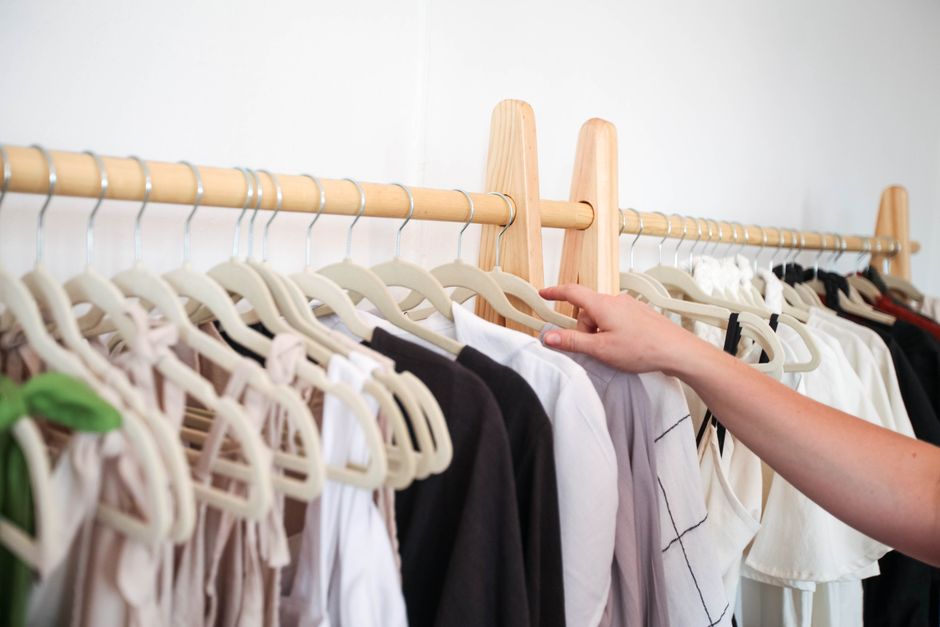
The boundary between the boardroom and the workshop is dissolving. As professional roles become increasingly fluid—shifting from screen-based studio work to client-facing installations and site visits—the demand for clothing that can keep pace has never been higher. This evolution has birthed a new category of apparel: modular modesty. This design approach, which prioritizes transformable utility and inclusive aesthetics, represents the future of adaptable workwear. By blending the durability of traditional industrial gear with the refined silhouettes of modern fashion, designers are creating multifunctional clothing brands that serve as a circular solution for a workforce that refuses to be defined by a single task.
The Philosophy of Modular Fashion
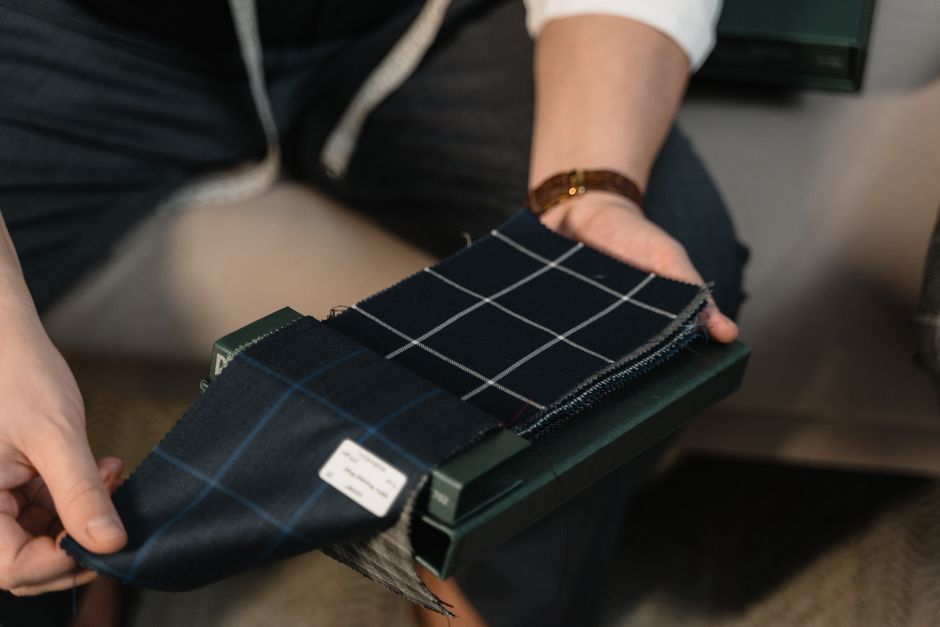
At its core, modular design is about longevity and versatility. Exploring modular fashion for a circular tomorrow requires a fundamental shift in how we view the life cycle of a garment. Rather than purchasing separate outfits for manual labor, creative studio work, and professional meetings, the modular model offers a system of interchangeable components.
A single transformable jacket might feature:
- Detachable sleeves for temperature regulation.
- Adjustable waistlines for varying fits.
- Hidden utility pockets that zip away to transition from a rugged outer layer to a sleek, minimalist blazer.
This philosophy is a direct response to the waste inherent in fast fashion. By creating garments that can be repaired, updated, or reconfigured, we move toward a circular model where clothing remains relevant for years rather than months.
Inclusive Design and the Evolution of Workwear
The modern workplace is more diverse than ever, and adaptive clothing design is rising to meet the needs of different body types, genders, and abilities. Traditional workwear often relied on hyper-masculine, one-size-fits-all aesthetics that ignored the nuances of human anatomy. Modern inclusive design utilizes gender-neutral silhouettes and low-saturation color palettes to ensure professional appeal for everyone.
| Feature | Benefit |
|---|---|
| Adjustable Waistlines | Accommodates weight fluctuations and provides comfort during long shifts. |
| Barrier-Free Closures | Magnetic or high-durability snap systems assist users with limited dexterity. |
| Ergonomic Gussets | Provides a wider range of motion for physical installation and office tasks. |
Climate-Adaptive Performance
As weather patterns become increasingly unpredictable, the ability to adapt to environmental shifts is critical. Experts emphasize that breathability and protection are no longer optional. A modular system allows the wearer to curate their ensemble from head to toe. On a hot day, a professional might opt for lightweight, moisture-wicking base layers, while a sudden cold snap allows for the addition of waterproof, windproof outer shells that integrate seamlessly. This layering as a system approach reduces the need for multiple heavy jackets and promotes a more sustainable wardrobe.
The Intersection of Branding and Function
Companies are moving toward modular branding systems. This allows organizations to maintain visual consistency through specific color palettes or subtle, integrated branding elements, while allowing employees to choose the specific modules that best suit their daily tasks. Whether a team member is handling high-friction studio work or presenting a project to a client, their clothing remains professional, branded, and highly functional.
Balancing Aesthetics and Durability
A persistent tension in modular design is the trade-off between durability and aesthetics. However, by utilizing modern, lightweight synthetic fabrics, designers are creating clothing that offers the same protection as traditional canvas workwear without the associated weight. This shift toward “softer, lighter” workwear is a hallmark of the new creative professional who requires mobility as much as they require protection.
Frequently Asked Questions
Is ModCloth still in business?
Yes, ModCloth remains in business. It is a retailer focused on vintage-inspired fashion and inclusive sizing. While its approach to sizing aligns with the goals of adaptive fashion, it is not primarily a technical workwear brand.
What is the 3-3-3 rule in fashion?
The 3-3-3 rule is a minimalist styling method involving 3 tops, 3 bottoms, and 3 pairs of shoes to create at least 9 different outfits. This principle is highly applicable to modular workwear, where a small number of high-quality pieces can be combined to suit different environments.
Is modest clothing making a comeback?
Modest clothing is being redefined. Modern modesty is less about concealing the body and more about intentional design that favors comfort, coverage, and professional versatility—perfectly overlapping with the needs of modular workwear.
Why is adaptive clothing so expensive?
Adaptive clothing carries a higher price point due to the research and development required for magnetic closures, specialized fabrics, and complex modular patterns. As demand increases, production processes are expected to become more efficient and cost-effective.
Conclusion
The future of the professional wardrobe is undoubtedly modular. By embracing modular modesty, professionals can invest in systems that are as adaptable as the roles they perform. Whether through transformable jackets or inclusive, ergonomic designs, the goal remains clear: to provide clothing that empowers the wearer to work safely, comfortably, and stylishly while supporting the long-term health of our planet.