

In the past, a visit to a medical practitioner was almost exclusively reactive: you felt unwell, you visited a clinic, and you were treated for a specific ailment. Today, a new paradigm is shifting the focus of modern medicine from symptom management to proactive healthspan extension. The rise of longevity clinics represents a fundamental change in how high-performing individuals approach their biological future. By leveraging advanced diagnostics, data-driven protocols, and personalized interventions, these facilities aim to do more than just add years to your life—they aim to add life to your years. For the modern man, navigating this burgeoning industry requires a blend of healthy skepticism and a commitment to evidence-based optimization.
Understanding the Longevity Clinic Model
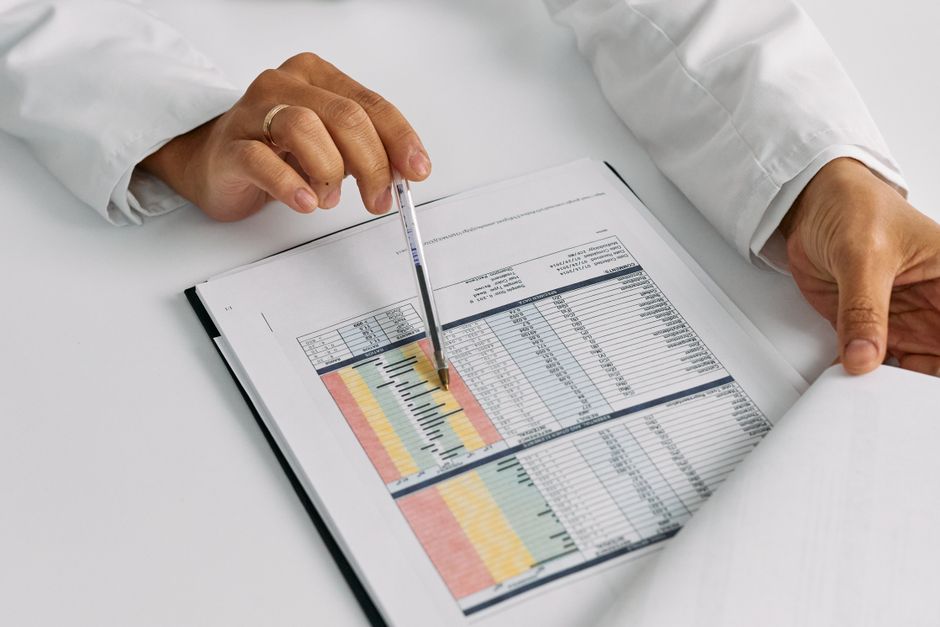
At their core, longevity clinics operate on the principle that aging is a modifiable biological process rather than an inevitable decline. Unlike traditional primary care, which often relies on standard blood panels and population-wide averages, these clinics utilize high-resolution data to create a baseline for your unique physiology. The goal is to identify early markers of age-related diseases long before they manifest as clinical symptoms.
When researching longevity clinics near me, it is essential to distinguish between wellness spas and medically rigorous institutions. A legitimate center functions as a hub for precision medicine, integrating fields such as endocrinology, cardiology, and genetics. Whether you are looking at specialized facilities like Core Longevity Portland or exploring the high-end services of an Ultimate Longevity Center, the focus should remain on actionable, data-backed interventions rather than experimental trends.
The Diagnostic Toolkit
The standard of care in the longevity space relies on advanced diagnostic tools that go far beyond the annual physical. Most reputable longevity clinics utilize a combination of the following:
- Full-body MRIs: Used to screen for early-stage tumors, aneurysms, and organ-specific structural changes.
- Epigenetic Clocks: DNA methylation testing that measures your biological age, which can differ significantly from your chronological age.
- Continuous Glucose Monitoring (CGM): A tool traditionally reserved for diabetics, now used to optimize metabolic health and identify insulin resistance patterns in real-time.
- Advanced Lipidology: Deep dives into ApoB and LDL particle size to assess cardiovascular risk with much higher precision than standard cholesterol panels.
The Reality Check: Are Longevity Clinics Legit?

The question of whether are longevity clinics legit is a valid one, given the industry’s rapid growth and relative lack of regulatory oversight. Because the field is on the cutting edge of medicine, some clinics may promote protocols that lack robust, peer-reviewed longitudinal data. It is important to approach these services as a supplement to, not a replacement for, your primary care physician.
When evaluating a facility, look for transparency. A professional longevity clinic will never promise a “cure” for aging. Instead, they should provide a clear framework for biological optimization based on your existing blood work, family history, and personal goals. If a facility asks for large, non-refundable retainers without providing a detailed, medically-supervised plan, proceed with extreme caution.
The Future of Longevity in Healthcare
One of the most exciting developments in the field is the conversation regarding establishing healthy longevity clinics in publicly funded hospitals. Currently, the most advanced longevity services are largely concierge-based and expensive, creating a barrier to entry for the average person. Integrating these preventative models into public health systems could shift the burden from treating chronic diseases to preventing them entirely. By normalizing longevity metrics—such as VO2 max, grip strength, and metabolic flexibility—within standard healthcare, we could significantly reduce the long-term cost of chronic illness on global economies.
Navigating the Market: What to Look For
If you are serious about optimizing your biology, you need to vet potential partners carefully. While some content creators—like the Longevity Clinic Dr Axe brand—provide educational resources, it is vital to remember that educational material is not a substitute for a clinical consultation. Always verify the credentials of the medical director and the staff. A top-tier clinic will have a multidisciplinary team, including physicians, nutritionists, and exercise physiologists, all working in concert.
| Feature | Traditional Clinic | Longevity Clinic |
|---|---|---|
| Primary Focus | Disease treatment | Healthspan optimization |
| Diagnostic Approach | Reactive/Symptom-based | Proactive/Data-driven |
| Patient Goal | Baseline health | Peak biological function |
| Data Intensity | Low to Moderate | High/Continuous |
Frequently Asked Questions
Are longevity clinics worth it?
For individuals who have already optimized their baseline health—through consistent strength training, a clean diet, and adequate sleep—longevity clinics can provide the granular data necessary to fine-tune their health trajectory. If you are not yet meeting the basics of a healthy lifestyle, a clinic is unlikely to provide a “shortcut” that yields significant results. They are most worth the investment when used to identify “silent” risks that standard doctors might miss.
What is the number one thing to do to live longer?
While there is no single “magic pill,” the consensus among longevity experts is that maintaining muscle mass and metabolic health is the most critical factor. Resistance training is arguably the most potent intervention for healthy aging, as it improves insulin sensitivity, protects bone density, and mitigates the risk of frailty—the primary driver of late-life mortality.
Which longevity clinics are considered the best in the world?
The “best” clinic is highly subjective and depends on your specific health goals. Facilities that garner international attention often combine luxury with rigorous scientific protocols. Names like Fountain Life, Human Longevity, and various specialized centers in Switzerland and the United States are frequently cited. However, the best clinic is the one that prioritizes your individual data over a one-size-fits-all approach.
What is the best book about aging well?
Outlive: The Science and Art of Longevity by Dr. Peter Attia is widely considered the gold standard for anyone interested in this space. It provides a comprehensive, science-backed framework for understanding how to live not just longer, but better. It is an essential read for any man looking to take control of his biological future.
Conclusion
The rise of longevity clinics is a testament to our evolving understanding of human biology. We are moving away from an era where we accept decline as a foregone conclusion and into a new age where we can actively influence our healthspan through data and discipline. Whether you are investigating the options at an Ultimate Longevity Center or simply starting to track your own biomarkers at home, the most important step is to start measuring. By taking a proactive stance on your health today, you are setting the foundation for a more capable, resilient, and vibrant life tomorrow. Remember, the goal is not to live forever, but to live well for as long as possible.